



Silver Sewing Pincushion
A silver sewing pincushion brings together miniature sculptural metalwork and practical sewing gear, appealing to collectors of novelty silver and sewing tools alike.
Silver Sewing Pincushion
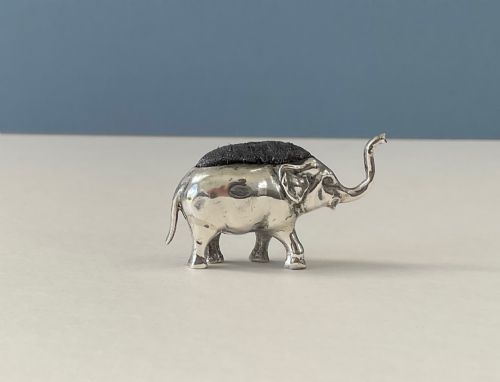
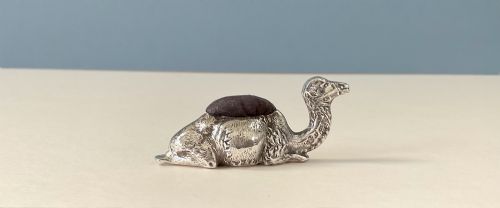
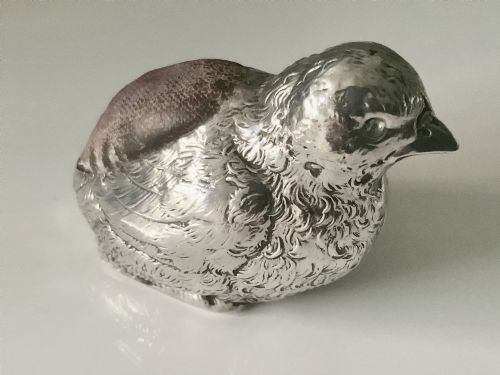
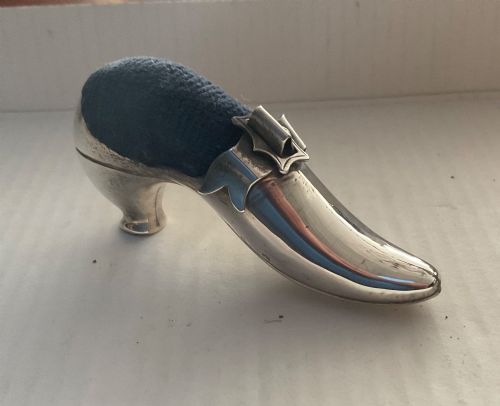
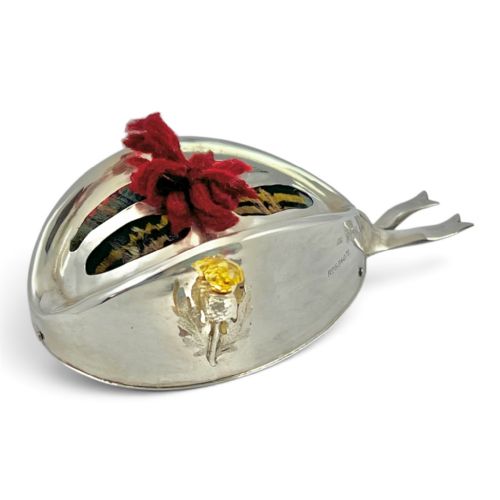
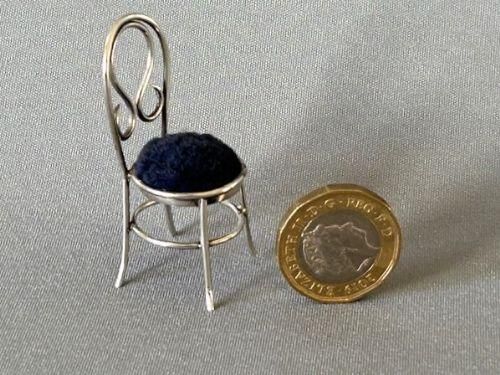
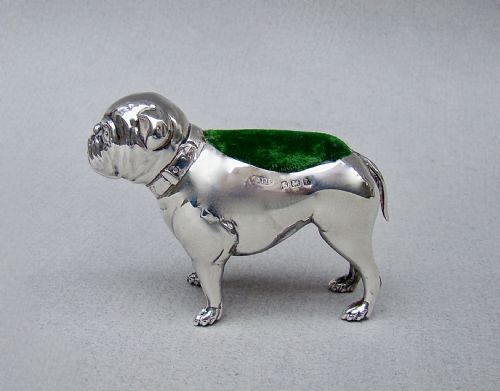
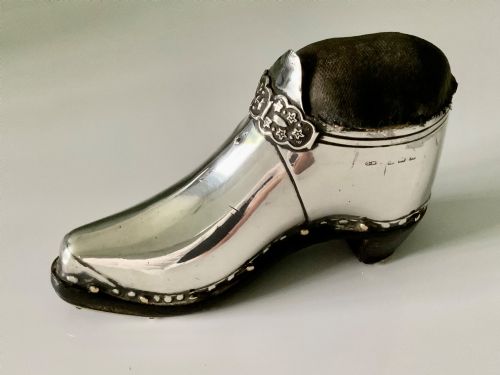
A silver sewing pincushion is a small, functional desk or vanity accessory designed to hold pins while needlework takes place. Most pieces found here belong to the Edwardian and Victorian periods, often taking whimsical novelty forms rather than standard geometric shapes. These diminutive items range from birds and animals to vehicles and everyday objects.
The animal and novelty pieces dominate the selection, including pigs, dogs, birds, and shoes alongside unusual forms like railway lamps and wheelbarrows. Makers also produced utilitarian items such as hat pin cushion stands and heart-shaped cushions. Dating spans primarily from the late nineteenth century through the Edwardian era and the reign of George V.
How they were made
Silversmiths formed the outer bodies of these pieces using sterling silver or standard silver, often shaping them through casting or stamping to achieve detailed animal and object forms. Birmingham and Chester assay offices frequently stamped these items, providing clear hallmarks for dating. The metal housings hold inner wooden or cork cores that support the pinned fabric.
Textiles inserted into the silver frames include velvet, fabric, wool, felt, and occasionally silk. Makers secured these plush materials tightly inside the silver mounts to ensure pins could be pushed in and removed repeatedly without damaging the fabric or the surrounding metal structure.
Listings feature sterling silver combined with velvet, wool, and mother of pearl across Victorian and Edwardian periods.
What varies in quality
The condition and originality of the internal textile insert affect desirability. Pieces retaining their original velvet or felt cushion alongside clean, unperforated silver mounts represent better craftsmanship. Items showing excessive wear to the textile or distortion to the thin silver body fall below the best examples.
Adie & Lovekin·Sampson Mordan & Co.·George W Shiebler·Artificer's Guild·Henckel NY
The Silver Sewing Pincushion Glossary
- Hallmark
- A series of official marks stamped on silver items indicating the maker, assay office, and year of manufacture. These small stamps help verify the authenticity and exact age of Edwardian and Victorian pieces.
- Novelty silver
- Silver articles shaped into humorous or unusual figurative forms rather than traditional utilitarian shapes. These pieces include animals, vehicles, and everyday objects designed to amuse the user.
- Sterling silver
- An alloy consisting of silver and other metals, usually copper, to increase durability while maintaining a bright lustre. Most British pieces conform to this standard, denoted by the lion passant mark.
- Assay office
- An official organisation responsible for testing the purity of precious metals and applying hallmarks. Prominent offices stamping these pieces include those in Birmingham and Chester.
- Chasing
- A metalsmithing technique where the artisan decorates the silver surface by hammering tools against it from the outside to push the metal into relief. This method creates the detailed fur, feathers, and textures seen on figural items.
Silver Sewing Pincushion: Frequently Asked Questions
What animals appear as pin cushions?
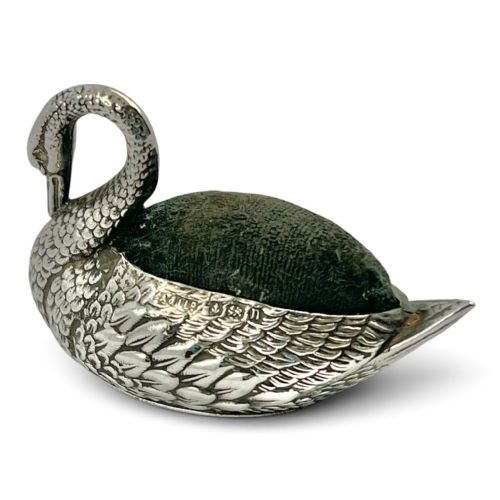
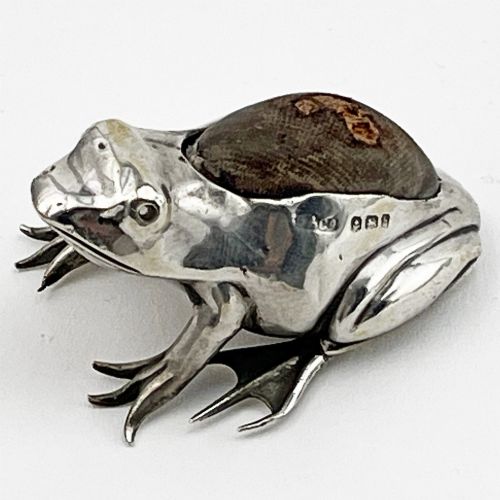
Makers modelled these silver pieces after a wide variety of creatures, including pigs, dogs, ducks, swans, frogs, bears, and camels. Birds such as chicks also appear frequently in the selection.
These animal forms often double as decorative desk ornaments when not in active use for sewing.
How do I date an Edwardian piece?
Dating relies heavily on the hallmarks stamped directly onto the silver body, which indicate the specific assay office and year letter. Stylistic clues like the heavy reliance on naturalistic animal forms also point to the Edwardian era.
Comparing the maker's mark against historical records confirms the exact manufacturing window.
Where were these items used?
Victorian and Edwardian needleworkers kept these cushions on dressing tables, sewing boxes, or writing desks. Their small footprint made them portable companions for embroidery and tailoring tasks.
Well-to-do households displayed novelty items in public rooms as conversation pieces.
What fabrics hold the pins?
The interior stuffing typically consists of velvet, wool, felt, or fabric stretched over a supportive core. These textiles provide enough resistance to keep sewing pins upright without dulling their points.
Original textiles often show discolouration or wear from decades of practical needlework.