




Antique Sewing Pin Cushion
An antique sewing pin cushion is a practical needlework accessory transformed into a sculptural miniature, prized for ingenuity and tactile charm.
Antique Sewing Pin Cushion
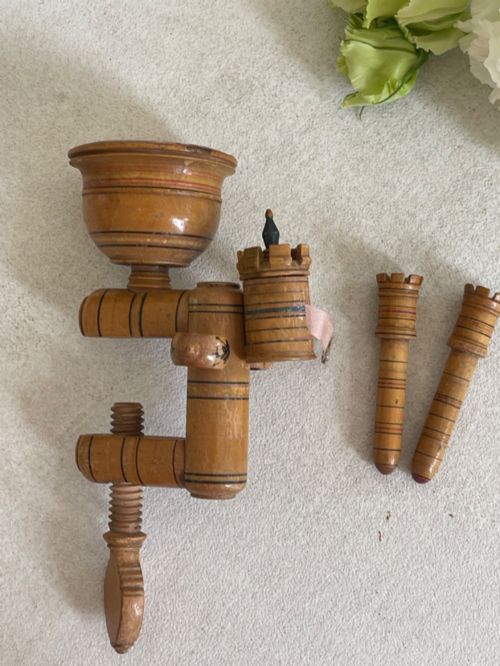
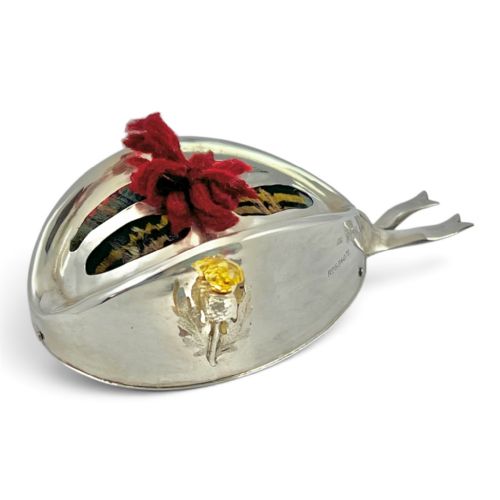
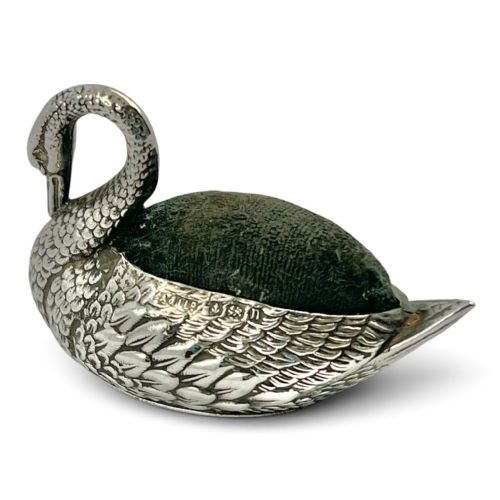
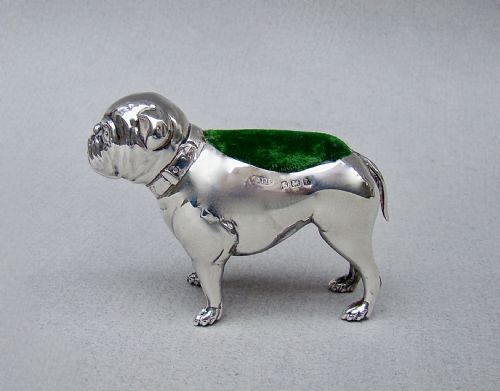
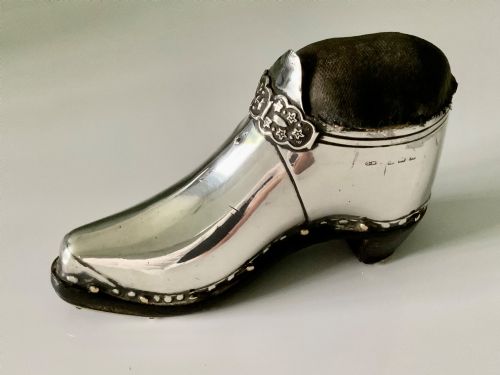
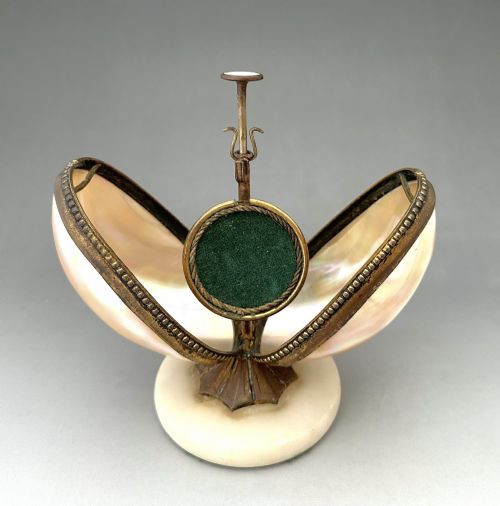
When you search for an antique sewing pin cushion, you encounter a surprisingly diverse range of domestic and whimsical forms designed to hold pins and needles. The selection spans from simple turned wood boxes and sewing towers to elaborate silver novelties shaped as animals, vehicles, and everyday objects.
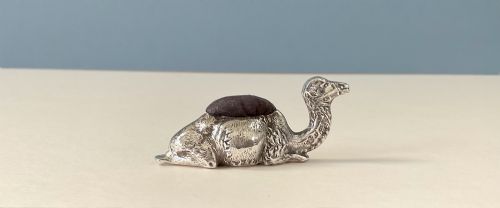
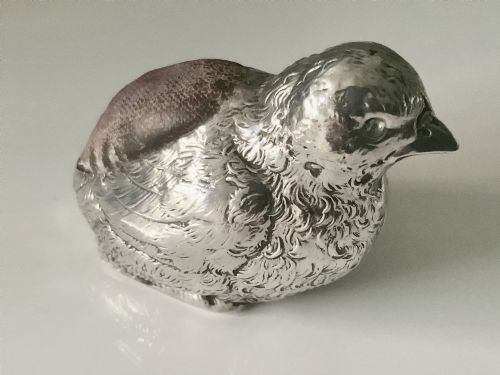
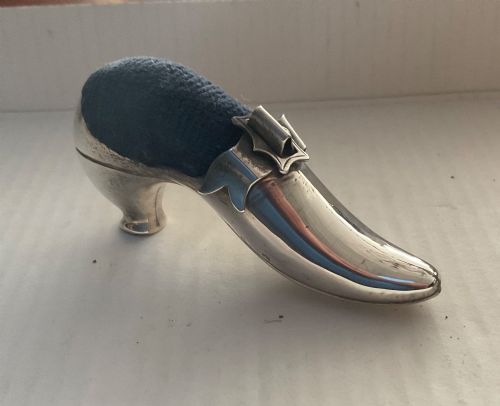
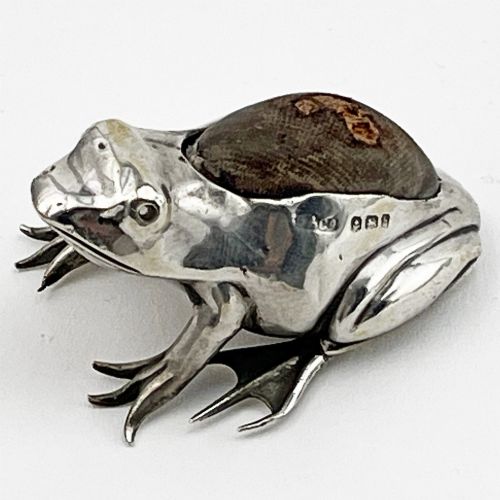
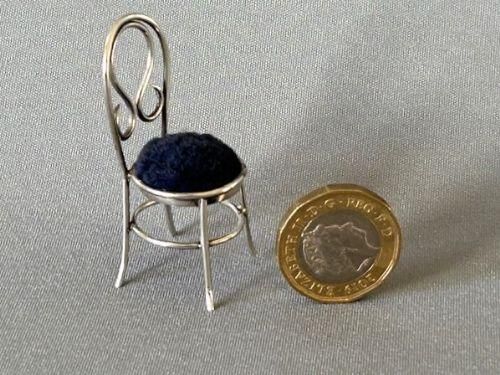
Edwardian and Victorian novelties dominate the offerings, showcasing immense creativity in silver-smithing and treen craftsmanship. Collectors meet domestic shapes such as shoes, baskets, and chairs alongside more playful figurals including pigs, birds, frogs, and camels.
Earlier Georgian examples often appear as part of larger sewing clamps, companions, or intricately decorated Tunbridge Ware boxes. Alongside these sit fabric-covered cushions, pincushion dolls, and weighted rosewood stands meant for heavy sewing desks.
How They Were Made
Sterling silver versions rely on intricate press-forming, chasing, and hand-chasing techniques to shape detailed animals and objects, which were then fitted with stuffed velvet or fabric cushions. Many bear hallmarks from silversmithing hubs like Birmingham and London, recording the exact year of production.
Wooden examples harness traditional turning and cabinet-making skills, utilising dense timbers such as boxwood, mahogany, rosewood, and yew. Tunbridge Ware pieces incorporate microscopic mosaic tesserae built from naturally coloured woods to create geometric or pictorial surface patterns.
What Varies in Quality
The degree of anatomical or structural detail separates mass-produced items from superior masterworks, particularly in novelty silver animals where crisp chasing defines feathers, fur, and facial expressions. Maker attribution heavily influences distinction, with signed works by renowned silversmiths commanding greater admiration.
Material preservation and structural integrity dictate overall standard, especially regarding the survival of the original velvet or silk cushion inserts within delicate silver shells and wooden sewing clamps.
Adie & Lovekin·Sampson Mordan & Co.·George W Shiebler·Artificer's Guild
The Antique Sewing Pin Cushion Glossary
- Tunbridge Ware
- Woodworking characterised by tiny mosaic tesserae. Craftsmen assembled thousands of dyed wood blocks to form detailed pictorial or geometric designs.
- Novelty
- An object shaped into an amusing or unexpected form. In silver-work, this describes miniature animals, shoes, and railway lamps fitted with pin cushions.
- Etui
- A small ornamental box for holding needles, scissors, and sewing tools. These portable cases often house integrated pin cushions and delicate accessories.
- Hallmark
- Official stamps applied to precious metals indicating purity, maker, and assay office. Birmingham and Chester marks frequently appear on these silver items.
Antique Sewing Pin Cushion: Frequently Asked Questions
What were antique pin cushions used for?
Victorian and Edwardian needlewomen utilised these pieces to safely store pins and needles during dressmaking and embroidery tasks. They sat on sewing tables or hung from chatelaines for easy access.
Many incorporated auxiliary sewing tools like reels, clamps, and thimbles to keep all essential implements organised in one place.
How do I identify an Edwardian silver pin cushion?
You look for hallmarks stamped onto the silver body, which often record assay offices like Birmingham and specific dates between one thousand nine hundred and one thousand nine hundred and ten. Makers such as Adie and Lovekin frequently produced animal and shoe forms during this era.
The style tends to favour whimsical novelty shapes combined with soft velvet inserts in crimson or dark tones.
What is Tunbridge Ware?
Tunbridge Ware refers to wooden boxes and sewing companions decorated with intricate mosaic patterns made from small blocks of naturally coloured woods. Craftsmen created geometric borders and pictorial scenes of castles or butterflies.
These pieces represent a distinct pinnacle of nineteenth-century decorative woodworking from Kent.
How should I display a collection?
You can arrange small novelty silver figures and wooden clamps in glass-topped display cabinets to protect the delicate velvet and fabric cushions from dust. Grouping them by material or theme highlights the variety of forms.
Keeping them away from direct sunlight preserves the original coloured textiles and prevents the wood from drying out.