




Antique Sewing Cushion
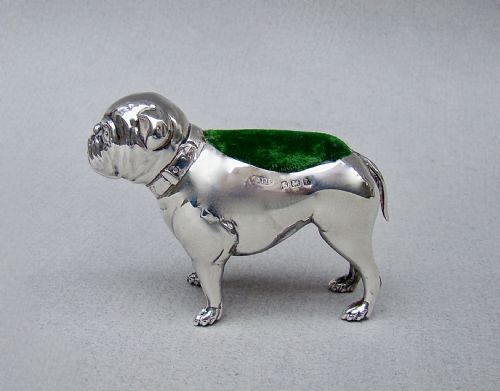
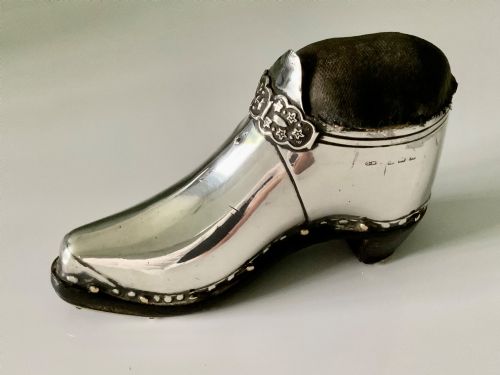
These antique sewing cushion pieces range from silver novelty animals to Tunbridge ware companions, offering a glimpse into domestic work of past centuries.
Antique Sewing Cushion
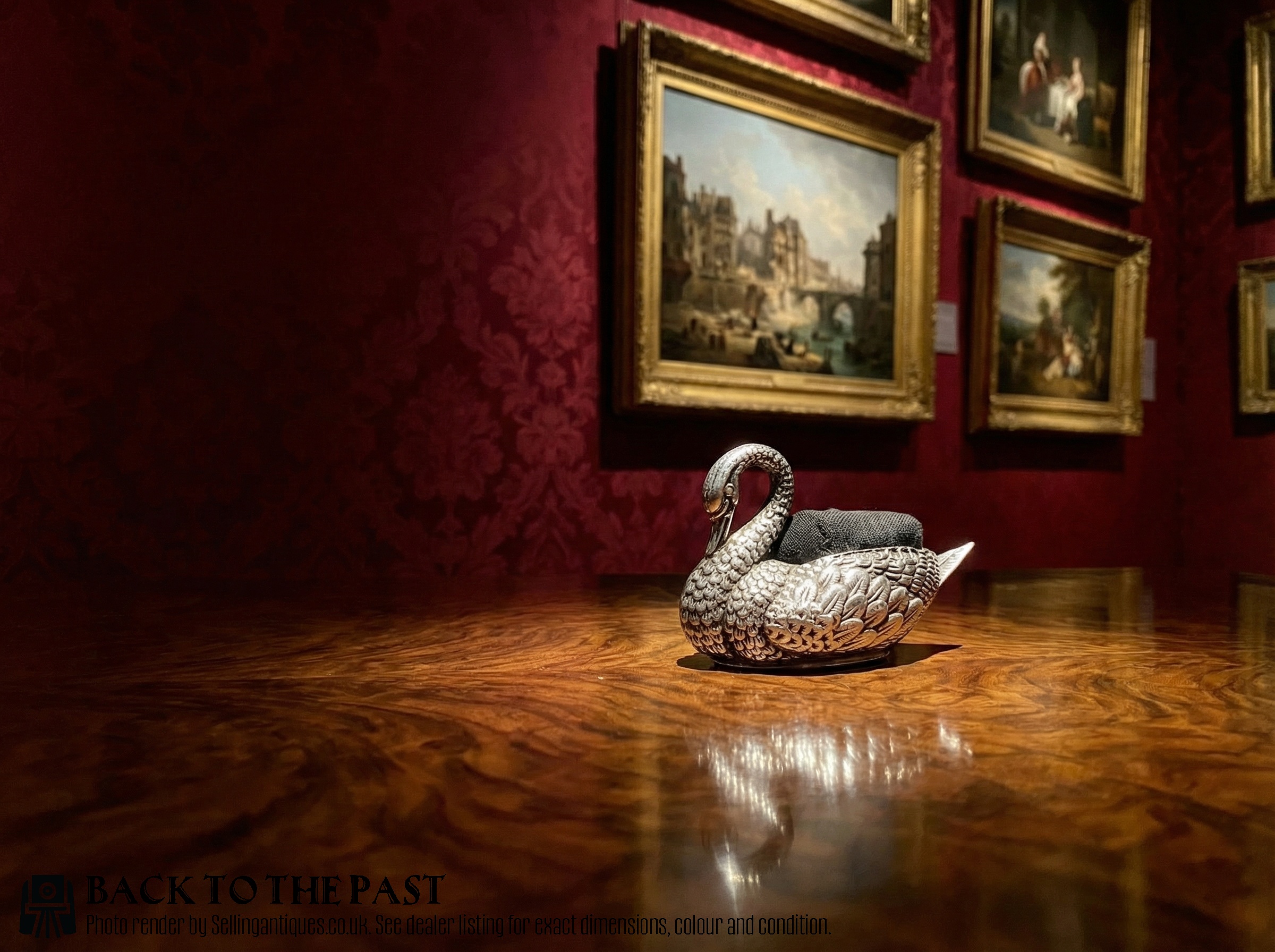
An antique sewing cushion typically appears as a functional sewing tool or a novelty desk ornament. The selection here spans from Victorian silver items to Georgian treen pieces.
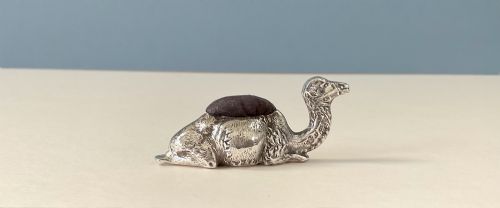
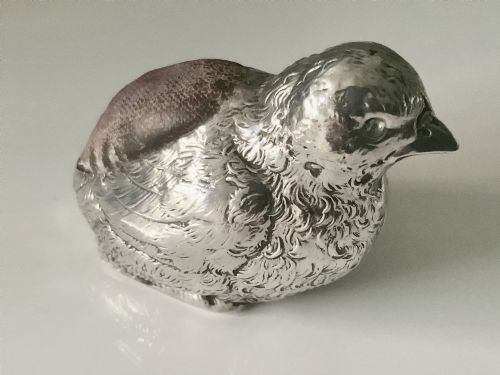
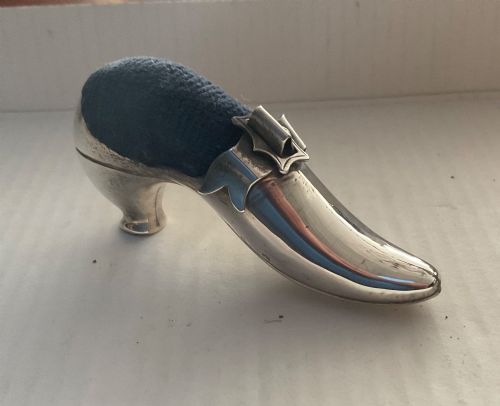
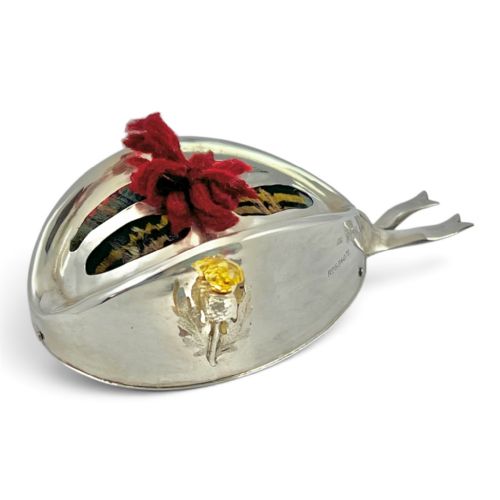
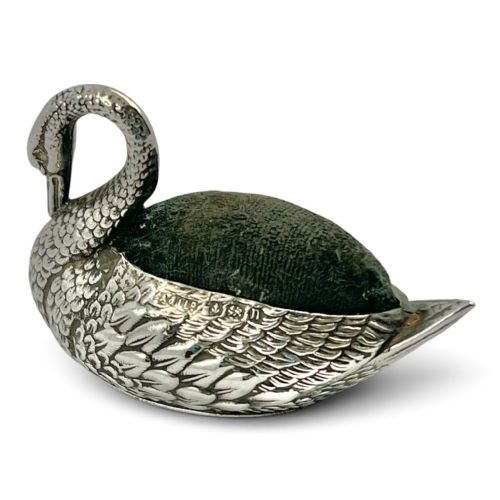
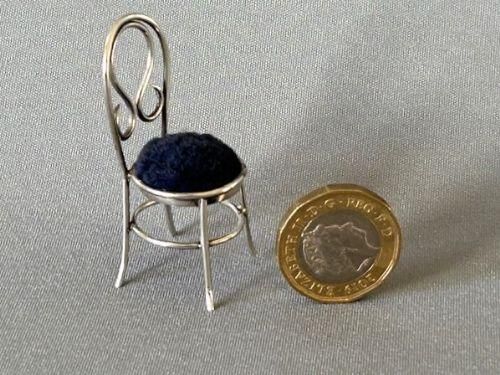
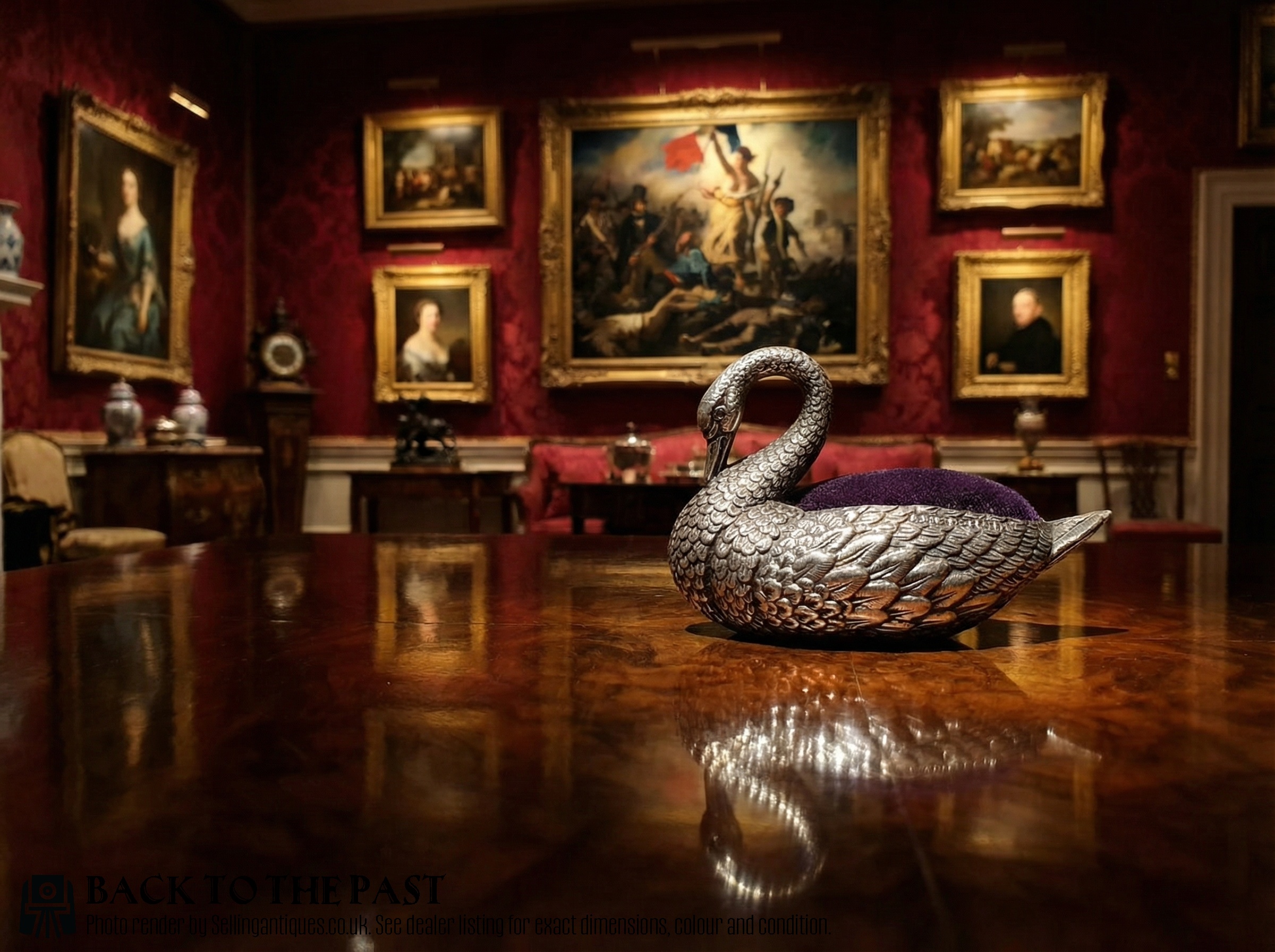
Novelty forms dominate the silver items, taking shapes like animals, birds, vehicles and everyday objects. Sewing companions, clamps and boxes incorporate cushions alongside reels and needle-cases.
The periods represented stretch from the Georgian era through the Victorian years and into the Edwardian period. Buyers encounter both simple wooden pincushions and elaborate silver miniatures.
Materials and Technique
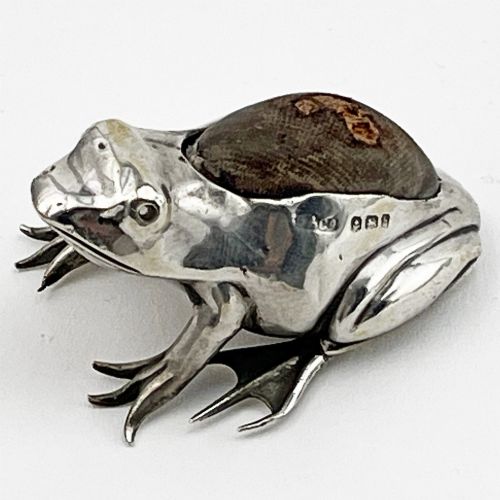
Silversmiths utilised sterling silver to shape detailed figural models, hammering and chasing the metal into forms such as camels, frogs and railway lamps. Velvet, silk and fabric provide the padded surfaces for pins.
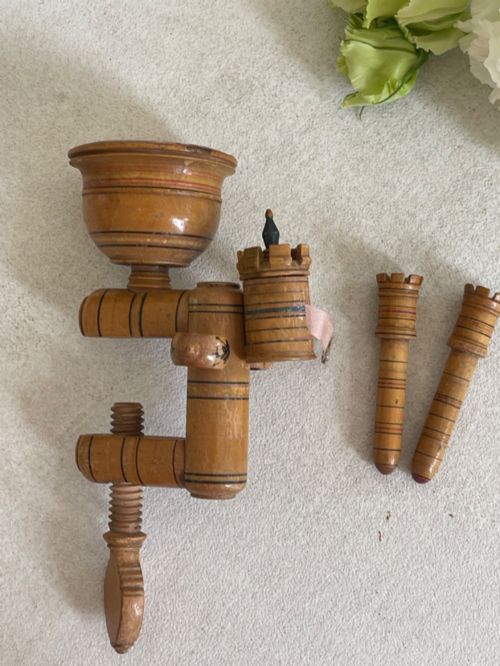
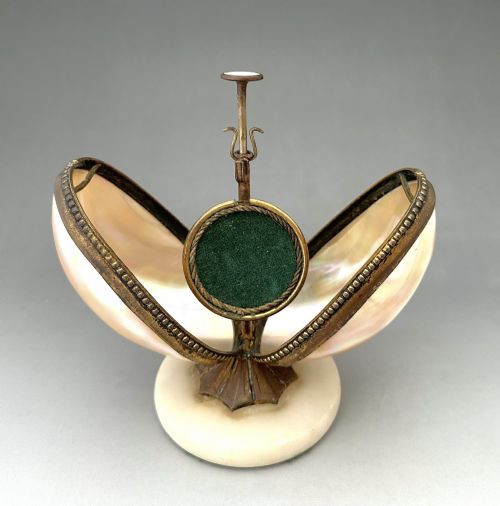
Woodworkers turned boxwood, mahogany, rosewood and yew wood to create sewing towers and boxes, sometimes incorporating Tunbridge ware mosaic decoration. Glass and mother-of-pearl also appear among the materials.
Silversmiths turned sewing pins into the bristles of silver hedgehogs and the wool of miniature sheep.
The Range of Quality
The standard of craftsmanship shows in the crispness of the silver chasing and the detail given to figural animal forms. Maker attribution also separates standard work from workshop pieces by notable makers.
The complexity of the object influences its standing, with multi-part wooden sewing companions and intricate silver novelty items representing the more accomplished end of production.
Adie & Lovekin·Sampson Mordan & Co.·George W Shiebler·Artificer's Guild
The Antique Sewing Cushion Glossary
- Treen
- Small handmade wooden domestic objects. These items show turned or carved construction in woods such as boxwood and yew.
- Tunbridge Ware
- Woodworking characterised by tiny mosaic tiles forming pictorial patterns. This technique decorates Victorian boxes and sewing clamps.
- Etui
- A small ornamental case for holding needles or sewing implements. Palais Royal examples often use mother-of-pearl.
- Novelty
- An object made in an amusing or unusual shape. In silver, these pieces take forms like animals, shoes and vehicles.
Antique Sewing Cushion: Frequently Asked Questions
What are antique sewing cushions?
These pieces are small domestic objects designed to hold pins and needles during sewing work. They range from simple fabric pads to elaborate silver novelties.
Craftsmen produced them in wood, silver and fabric across the Georgian, Victorian and Edwardian periods.
How were they used?
Victorian and Edwardian needleworkers placed pins into the velvet or fabric inserts while sewing garments or household linens. Some pieces sat on dressing tables while others clamped onto sewing tables.
Desk ornaments and figural silver models served both a decorative and a practical function in the home.
How do I date a silver cushion?
Silver pieces often carry hallmarks indicating the assay office, metal standard and year of manufacture. Stylistic clues also help distinguish Georgian items from later Victorian and Edwardian examples.
Makers' marks provide further evidence for dating specific workshops.
What woods are found in wooden pieces?
Makers utilised dense timbers such as mahogany, rosewood, boxwood and yew wood for sewing towers and boxes. Tunbridge ware pieces feature multiple coloured woods arranged in mosaic patterns.
Turned wood forms rely on the natural grain and colour of the timber for visual effect.