




Vintage Silver Needle Cushion
These vintage silver needle cushion pieces are small desk accessories combining precious metal and fabric designed to hold pins.
Vintage Silver Needle Cushion
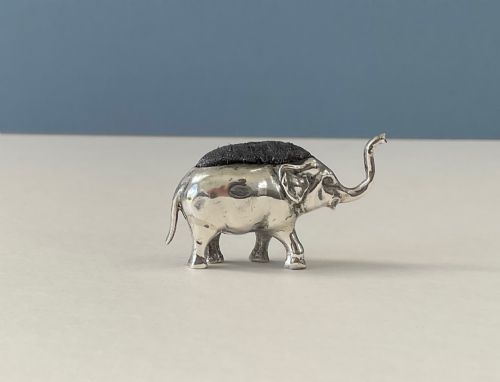
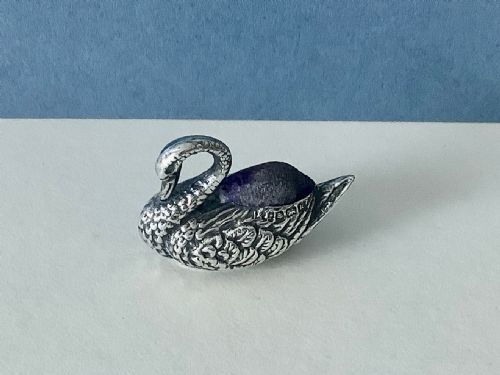
A vintage silver needle cushion combines a solid sterling silver mount with a fabric or velvet pad for sewing pins. The forms span Victorian, Edwardian, and later 1920 periods, taking both standard shapes and playful novelty designs.
Novelty pieces dominate the selection, shaped as animals including pigs, dogs, kangaroos, birds, and fish alongside heart shapes and shoes. Most examples originate from the Victorian and Edwardian eras, utilising traditional silversmithing techniques.
The objects served a functional role on dressing tables and sewing desks before becoming collectible decorative items. Collectors find both miniature figures and larger stands designed for hat pins.
Materials and construction
Makers fitted velvet or standard fabric inserts into the silver frames to secure sewing pins safely. The base metal provides structural support while the fabric cushion holds the functional needles.
Someone once needed a silver goldfish to keep their sewing needles safe on the desk.
Quality factors
The fineness of the chasing work separates standard pieces from superior examples, particularly in the rendering of animal subjects like lions, foxes, and birds. Crisp detail in the silver texturing indicates higher skill.
Makers' marks and clear hallmarks contribute to the standing of a piece, showing specific assay offices and dates such as Birmingham 1912. The condition of the original velvet or fabric insert also influences the overall integrity.
George W Shiebler·Artificer's Guild
The Vintage Silver Needle Cushion Glossary
- Sterling silver
- A silver alloy containing 92.5 percent pure silver by mass and 7.5 percent other metals, usually copper. This standard alloy provides durability for small decorative items.
- Hallmark
- An official stamp applied by an assay office indicating the purity of the silver, the maker, and the year of manufacture. British pieces frequently bear these authoritative marks.
- Novelty pin cushion
- A decorative container shaped to resemble an animal, object, or figure rather than a traditional geometric form. Edwardian makers produced these in wide variety.
- Chasing
- A metalsmithing technique where the metal is worked from the front with a hammer and punches to sink the surface and create raised relief designs. This method defines the exterior detail of animal figures.
- Hat pin cushion stand
- A specialised holder designed specifically to accommodate longer hat pins rather than standard sewing needles. These stands often feature elevated mounts.
Vintage Silver Needle Cushion: Frequently Asked Questions
What periods do these cushions come from?
The available pieces originate from the Victorian and Edwardian periods, stretching into the 1920s. Birmingham assay marks help pin down specific years of production.
Craftsmen during these decades produced both standard domestic items and imaginative novelty shapes in silver.
How do I care for the silver?
Gentle dusting with a soft cloth preserves the antique finish without removing the aged patina on the silver surfaces. Avoid abrasive polishes that can damage the delicate chasing.
Keep the fabric or velvet inserts dry to prevent deterioration of the interior stuffing and textile.
What is the difference between a stand and a cushion?
Stands are generally taller structures built to accommodate longer hat pins, whereas standard cushions sit low on dressing tables for regular sewing pins. Both utilise sterling silver mounts combined with fabric.
Makers tailored the proportions of each piece to suit the specific type of pin it was meant to hold.