


Hallmarked Silver Novelty
These pieces combine meticulous metalwork with whimsical form, offering collectors an engaging intersection of utility and playfulness.
Hallmarked Silver Novelty
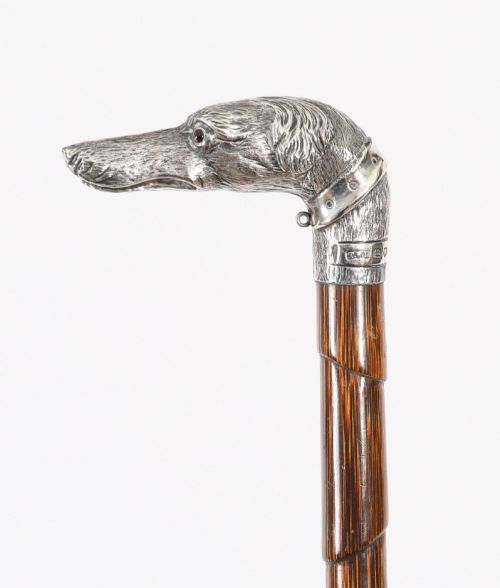
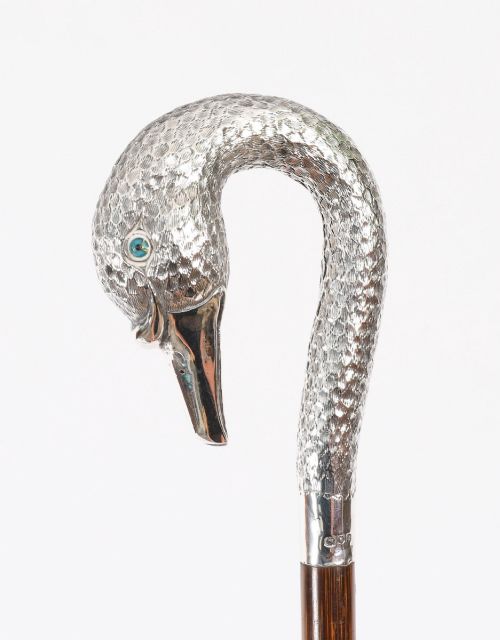
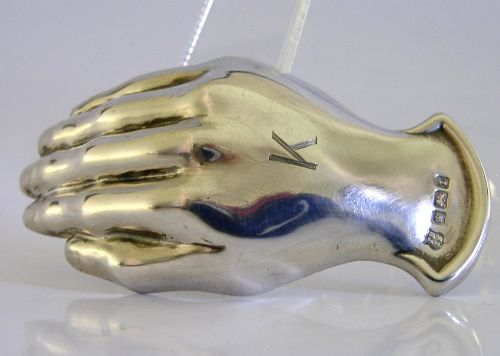
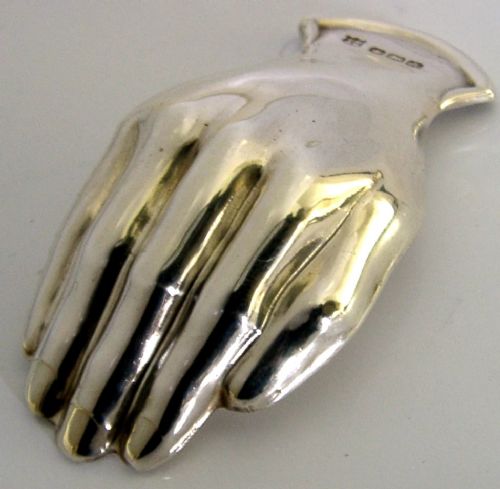
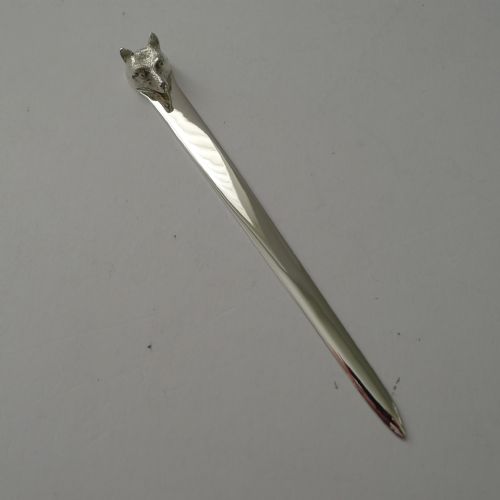
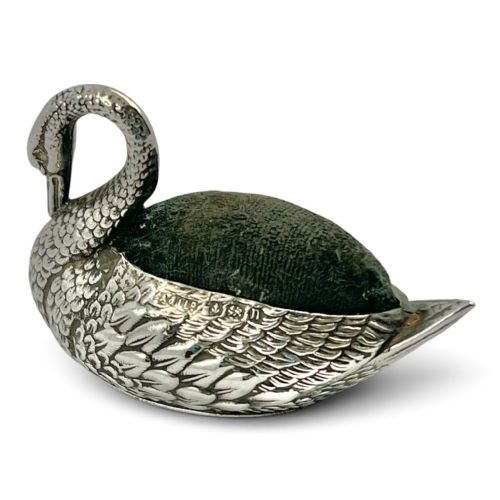
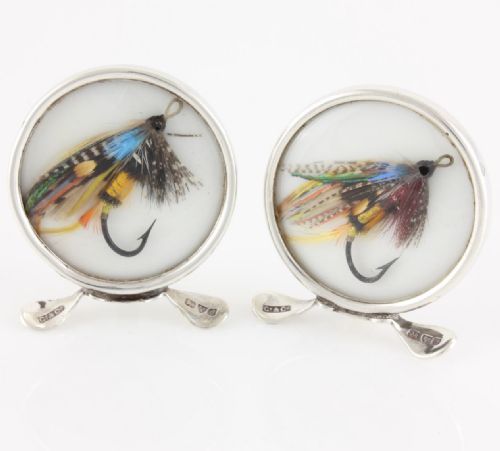
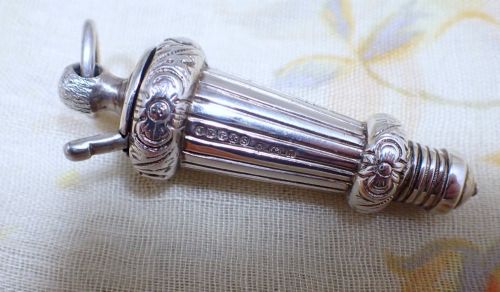
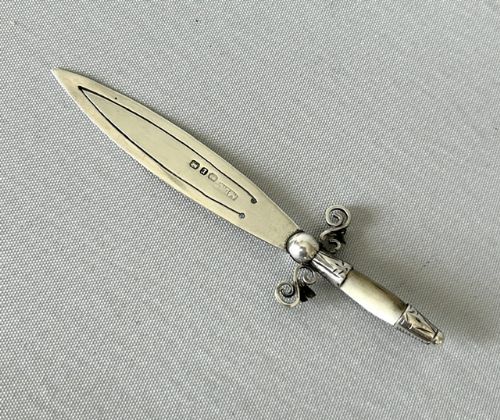
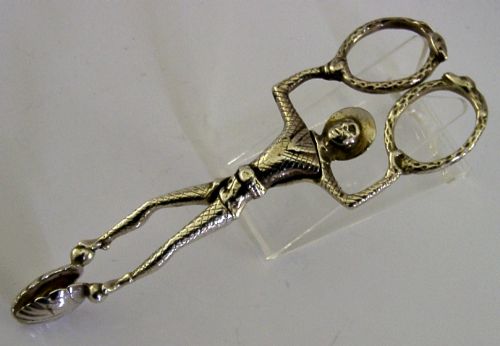
When you search for hallmarked silver novelty pieces, you encounter items designed to mimic animals, objects, and figures while retaining a practical purpose. These creations range from pin cushions shaped like pigs, ducks, and frogs to letter openers, vesta cases, and caddy spoons modelled on hands, jockey caps, and trowels.
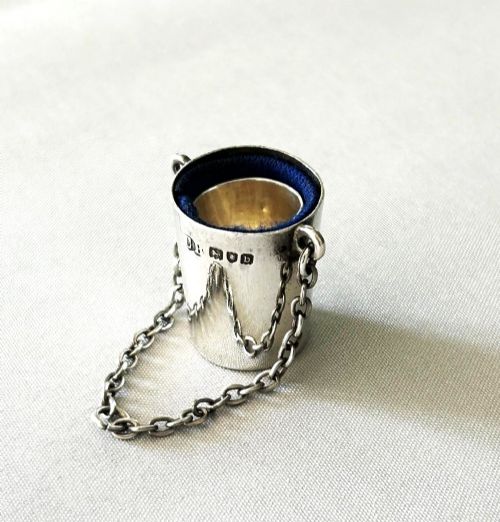
The objects stem predominantly from the Victorian and Edwardian eras, extending into the interwar period of the twentieth century. Common forms include miniature animals serving as pin cushions or pepperettes, alongside functional items shaped as canoes, watering cans, and walking stick handles.
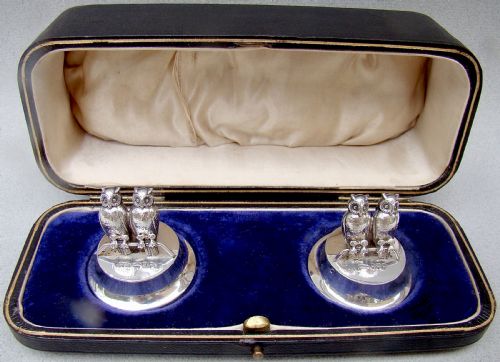
Makers utilised domestic and desk accessories to indulge Victorian and Edwardian tastes for amusing and inventive design. Whether handling a dog-headed vesta case or an owl menu holder, a buyer meets items that transform everyday desk or dressing table accessories into conversation pieces.
What varies in quality
Quality rests upon the crispness of the chasing and modelling, where superior items display distinct feather, fur, or facial definition rather than smoothed-over details. The success of a figural piece depends on the anatomical proportions and the naturalism or charm of the stance.
The integration of function with form determines the success of the piece, as seen in well-balanced menu holders, smoothly operating vesta case lids, and securely fitted pin cushion pads. Maker attribution also influences standing, with pieces bearing marks of recognised specialist silversmiths commanding greater attention.
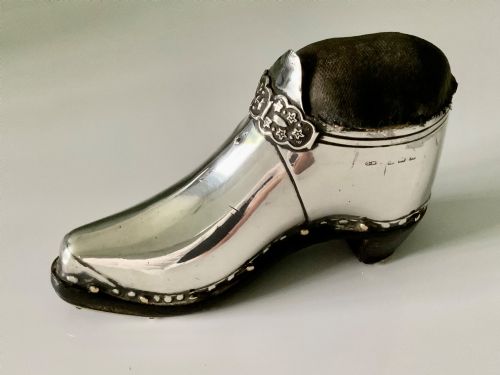
Early twentieth-century silversmiths turned everyday laundry and kitchen items into silver novelties, ensuring even a humble clog could be repurposed to hold pins.
Levi & Salaman·Grey & Co·William Neale·Jones & Crompton·Cotterell
The Hallmarked Silver Novelty Glossary
- Hallmark
- Official stamps struck into precious metal indicating purity, the assay office, and the year of manufacture. These marks provide the primary evidence for dating British silver.
- Vesta case
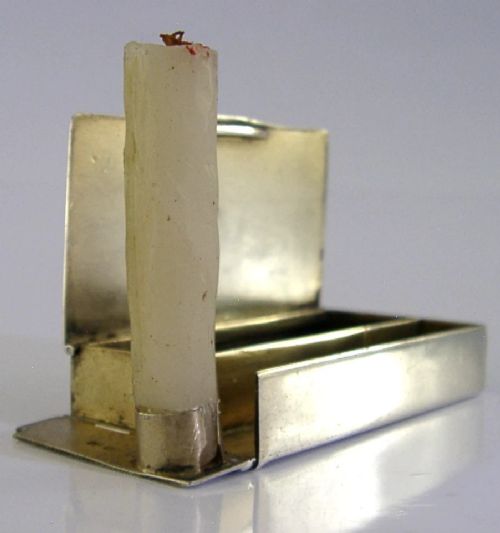
- A small pocket container designed to hold matches and strike them on the base. Victorian examples often incorporated novelty shapes like padlocks, books, or animal heads.
- Caddy spoon
- A short spoon used for measuring loose tea leaves from a caddy into a teapot. Novelty versions were frequently shaped as jockey caps or human hands.
- Pin cushion
- A padded base used for holding sewing pins, often mounted within silver figures of animals such as hedgehogs, elephants, or birds. Velvet is the traditional fabric used for the cushion insert.
- Pepperette
- A small table shaker for ground pepper, frequently produced in matched pairs during the Victorian and Edwardian periods. Novelty versions took the form of acorns, owls, or other natural subjects.
Hallmarked Silver Novelty: Frequently Asked Questions
What were silver novelty items used for?
These items served functional roles on desks, dining tables, and dressing tables while providing visual amusement. Owners used them to hold pins, light matches, open letters, and serve tea or condiments.
Despite their whimsical shapes, they remained practical domestic accessories for the middle and upper classes during the nineteenth and twentieth centuries.
How can I date a silver novelty piece?
Dating relies upon the assay office marks, maker's marks, and date letters stamped directly onto the silver. Each year corresponds to a specific letter stamp registered by offices in locations such as Birmingham, Chester, and London.
Stylistic cues, such as the distinct aesthetic of Edwardian or Victorian design, provide additional context when hallmarks are rubbed or partially obscured.
Why are animal shapes so common?
Victorian and Edwardian manufacturers tapped into a cultural appetite for anthropomorphism and domestic humour. Animals like owls, pigs, and dogs translated well into small-scale silver objects.
Pin cushions and pepperettes offered ideal vehicle forms for these creatures, merging sculptural appeal with everyday utility.
Are these pieces meant to be displayed or used?
Most collectors display these objects in cabinets or on desks to appreciate their detailed modelling and clever engineering. While many retain their original functionality, such as operating vesta lids or functioning pin cushions, handling them gently preserves the delicate silver elements and original velvet or enamel inserts.