


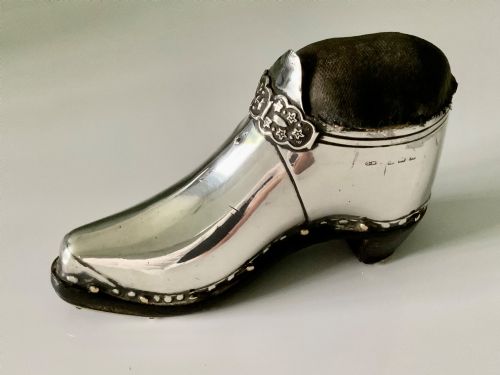


Sterling Silver Novelty Cushion
These sterling silver novelty cushion pieces are miniature figural containers holding velvet or fabric pads for pins, prized for their whimsical detail.
Sterling Silver Novelty Cushion
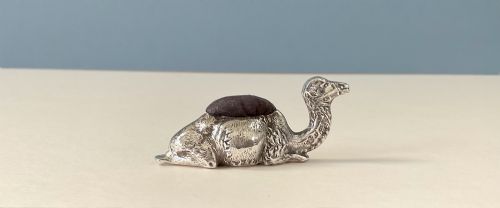
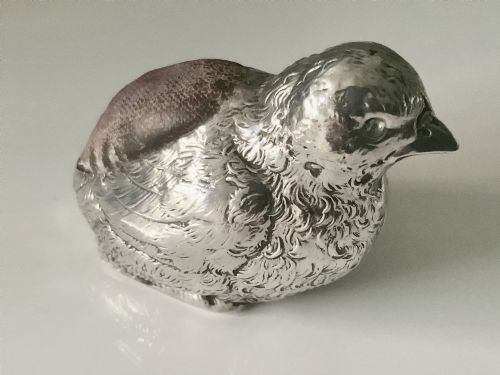
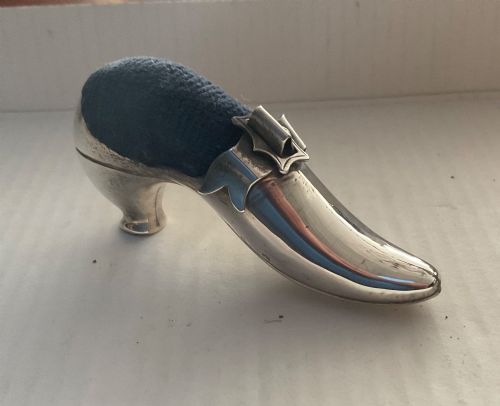
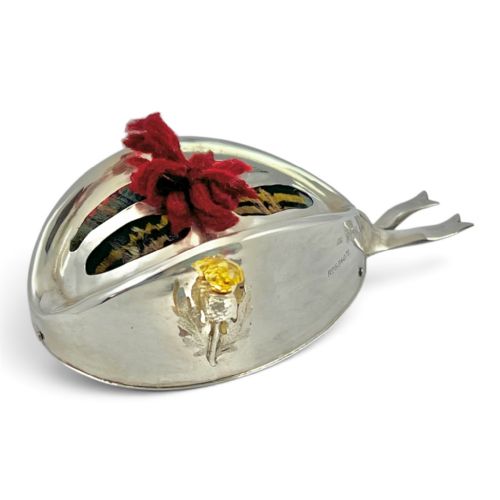
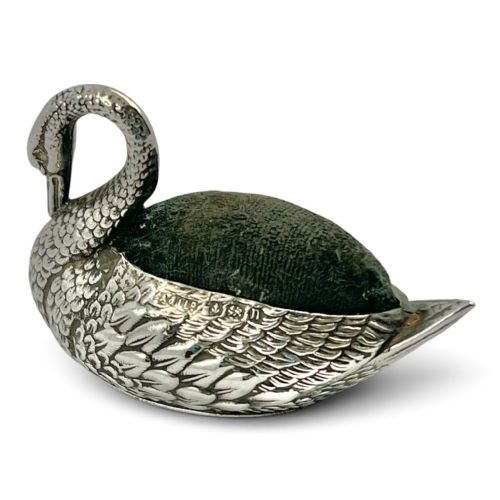
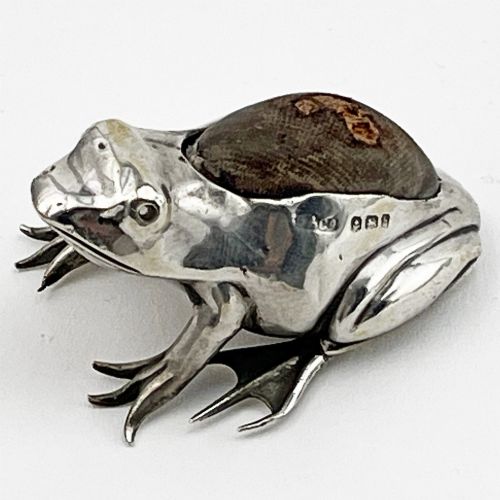
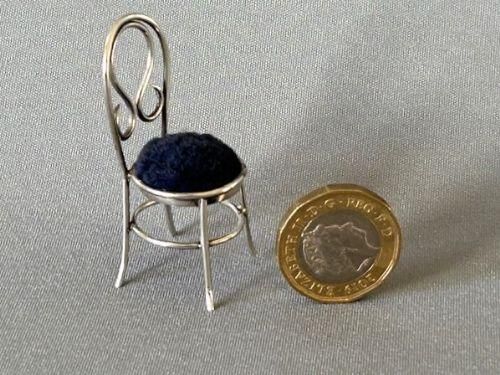
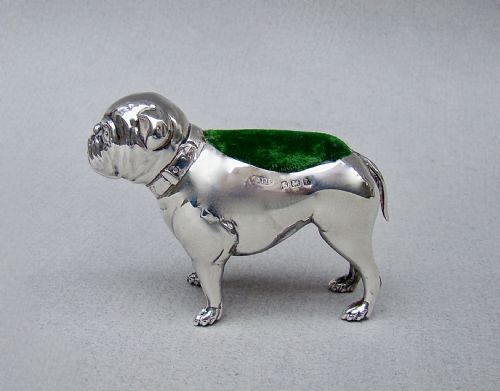
When you search for sterling silver novelty cushion, you encounter miniature containers cast or pressed into recognisable shapes to hold sewing pins. These pieces take the form of animals, birds, footwear, vehicles and domestic objects rather than plain boxes.
The selections span the Victorian, Edwardian and George V periods, with a heavy concentration of Edwardian examples. Animal forms such as pigs, bears, swans and dogs dominate the available range.
Objects range from naturalistic birds and beasts to utilitarian items like wheelbarrows, canoes, hats and shoes rendered in miniature. Most items combine a solid metal exterior with an internal stuffed pad.
How they were made
Silversmiths constructed the outer shells using sterling silver and solid silver, often shaping the metal through casting or die-stamping. Makers refined the contours by hand to define feathers, fur or shoe buckles.
Makers fitted velvet, silk, felt or wool fabric into the metal cavity to create the cushioned surface for pins. Workers secured these textile pads tightly within the silver mounts to withstand repeated use.
Silversmiths turned even a policeman or a railway lamp into a receptacle for pins.
What varies in quality
Design complexity separates basic items from exceptional pieces, particularly where animal anatomy or intricate objects like cars and railway lamps are rendered. Finer examples capture realistic textures and expressions rather than blunt outlines.
Maker attribution and legible hallmarks distinguish standard workshop output from signed pieces originating with prominent silversmiths. The clarity of the stamped marks and the precision of the metal assembly drive the distinction.
Adie & Lovekin·Sampson Mordan & Co.
The Sterling Silver Novelty Cushion Glossary
- Sterling silver
- A standard alloy of silver containing ninety-two point five percent pure silver by mass, with the remainder composed of other metals. This alloy provides the durable structure required for small decorative objects.
- Hallmark
- An official stamp applied to precious metals indicating the standard of purity, the assay office, and the date letter. These marks allow collectors to date pieces accurately.
- Figural
- A style of decorative object modelled in the exact likeness of a human, animal or recognisable item. These sculptures form the primary category for novelty sewing accessories.
- Assay office
- An organisation charged with testing the purity of precious metal items and applying statutory hallmarks. Towns such as Birmingham and Chester operated prominent offices during the periods represented.
Sterling Silver Novelty Cushion: Frequently Asked Questions
What are novelty silver pin cushions?
These items are miniature silver sculptures fitted with fabric pads designed to hold sewing pins on a dressing table or desk. Silversmiths shaped the metal into animals, shoes, boats and vehicles to combine utility with ornamental appeal.
Collectors encounter these objects primarily from the late nineteenth and early twentieth centuries. They served as both practical sewing tools and decorative desk ornaments for well-to-do households.
How do I date a silver pin cushion?
Dating relies upon the hallmarks stamped into the silver exterior, which include assay office symbols and specific date letters. Comparing the style of the animal or object against Edwardian and Victorian design trends also helps narrow the period.
Most pieces originate from the late Victorian and Edwardian eras, when novelty silver items enjoyed immense popularity. Hallmarks provide the most reliable method for establishing the exact year of manufacture.
What fabrics were used inside the cushions?
Makers filled the silver cavities with velvet, felt, silk, wool or plush fabric to grip the pins securely. These textiles were chosen for their texture and durability under daily sewing tasks.
Over time, many original pads show signs of wear or have been recovered with replacement fabric. Velvet and satin remain the most common materials seen across surviving examples.
Why are animal shapes so common?
Victorian and Edwardian silversmiths utilised animal forms to inject humour and charm into mundane household accessories. Pigs, bears, elephants and birds offered sculptors endless scope for playful interpretations.
These whimsical creatures appealed to contemporary tastes for novelties and ornamental desk wares. Animals remain the most sought-after category among collectors today.