



Antique Novelty Pincushion
These antique novelty pincushions combine miniature figural silverwork with practical sewing tools from the Victorian and Edwardian periods.
Antique Novelty Pincushion
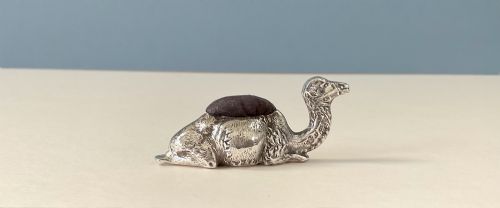
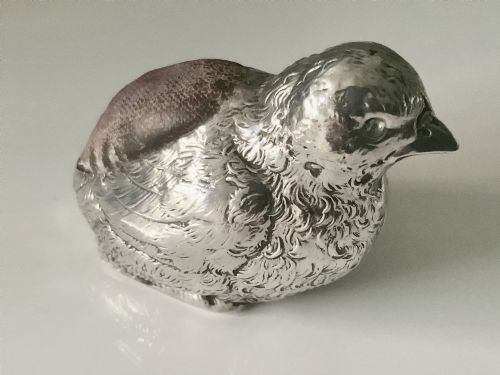
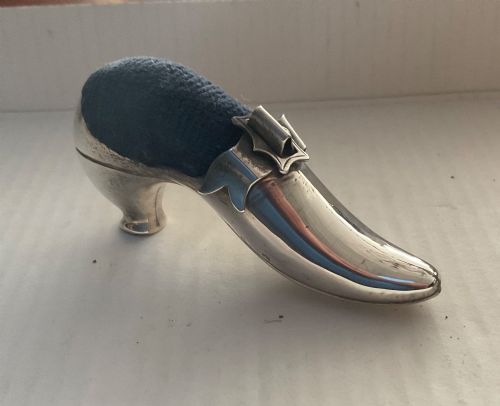
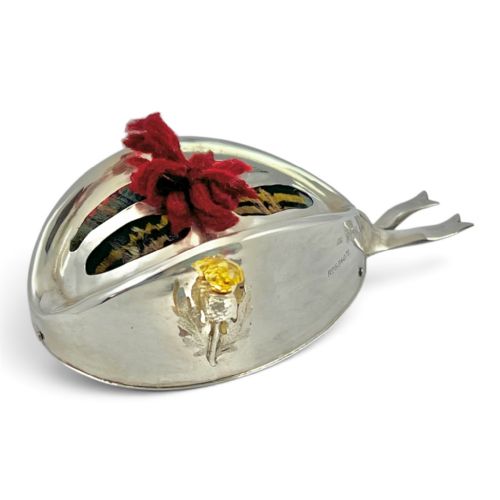
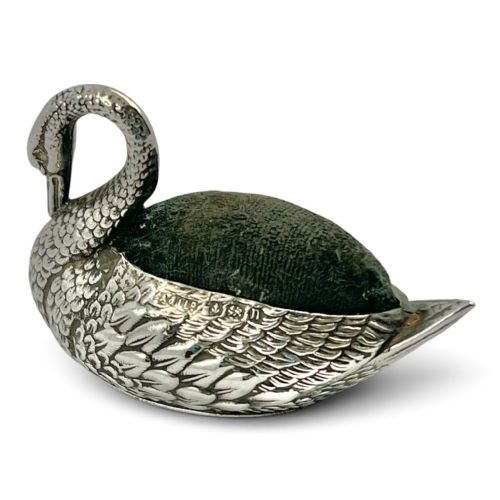
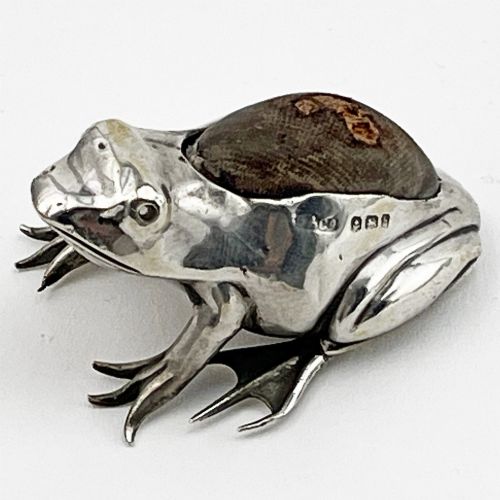
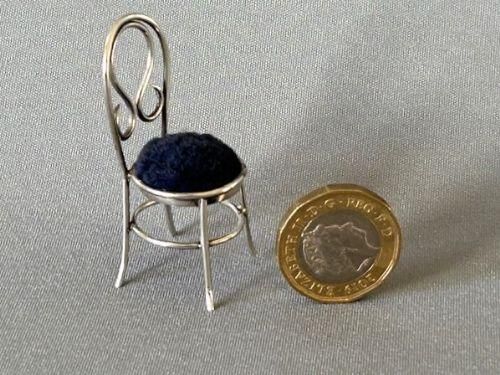
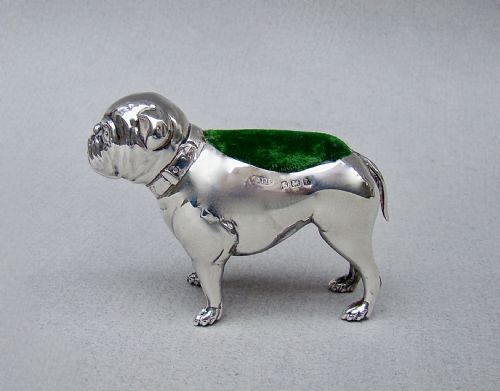
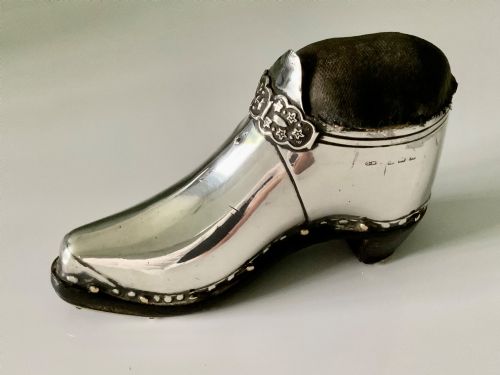
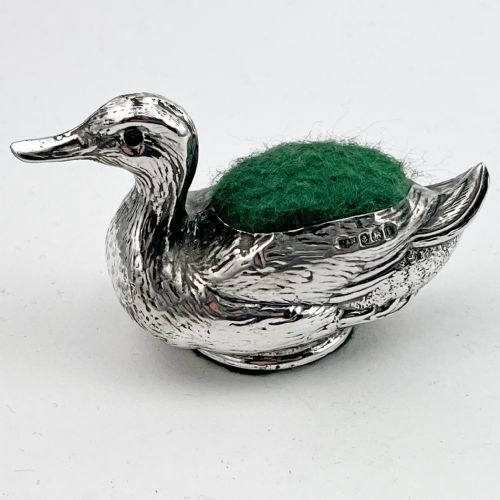
The most common examples encountered here are small silver figures such as pigs, chicks, birds, and shoes fitted with textile inserts. Animals and utilitarian items dominate the inventory, hailing predominantly from early twentieth-century Birmingham workshops.
Collectors encounter diverse stylistic influences ranging from French Palais Royal sewing companions to Austrian Vienna bronze models and classical Georgian baskets. Each piece demonstrates how makers turned mundane sewing accessories into sculptural miniatures.
Distinctions in quality
Quality rests heavily on the naturalism and sculptural depth of the silver model, distinguishing a lifelike animal figure from a stiff or generic casting. Maker marks, clear hallmarks, and crispness in the chased surface details elevate specific pieces significantly.
The condition and originality of the internal fabric or velvet pad affect overall integrity, alongside the snugness of fit within the silver mount. Well-preserved textile inserts that match the period of the outer metal housing command greater interest.
Listings feature items in Sterling Silver, velvet, and felt across Victorian and Edwardian periods.
Adie & Lovekin·Sampson Mordan & Co.
The Antique Novelty Pincushion Glossary
- Hallmark
- Official stamps punched into silver indicating the assay office, metal standard, and date letter. These marks authenticate the origin and manufacturing period of the piece.
- Chasing
- A metalworking technique where the smith pushes and depresses the surface of the silver with a hammer and punches to raise decorative motifs without removing metal.
- Sterling silver
- A silver alloy consisting of ninety-two point five percent silver by mass and seven point five percent other metals, usually copper, ensuring durability for small functional objects.
- Vienna bronze
- Cold-painted bronze sculptures produced in Austrian foundries during the late nineteenth and early twentieth centuries, known for realistic animal and figural subjects.
Antique Novelty Pincushion: Frequently Asked Questions
How do I clean an antique silver pincushion?
Silver components require gentle dusting with a soft cloth to preserve patination and avoid wearing down fine chased details.
Keep moisture away from the internal fabric and velvet stuffing to prevent rot and deterioration of the original textile.
Were these pincushions meant for everyday sewing?
Victorian and Edwardian households utilised these charming objects on dressing tables and workboxes as both functional tools and decorative ornaments.
Wealthy owners prized them for their novelty value during sewing circles and formal visits.
How can I tell an Edwardian piece from a Victorian one?
Hallmarks stamped on the silver provide the exact year and assay office of production, removing guesswork from dating.
Stylistic shifts also help, as Edwardian animal figures often display a lighter, more whimsical realism compared to earlier Victorian designs.
Why are animal shapes so common?
Victorian and Edwardian novelty design embraced whimsy and anthropomorphism, turning everyday items into playful representations of wildlife and pets.
Silversmiths utilised pigs, birds, and domestic dogs because their distinct silhouettes lent themselves well to miniature metal sculpture.