



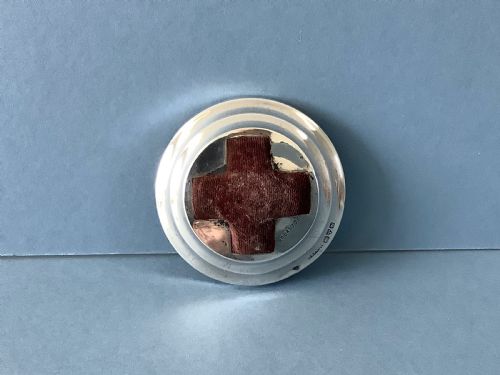


Silver Haberdashery Accessory
A silver haberdashery accessory is a small sewing tool or dressing item that brings fine metalwork to the workbox or outfit, prized for both practical utility and whimsical design.
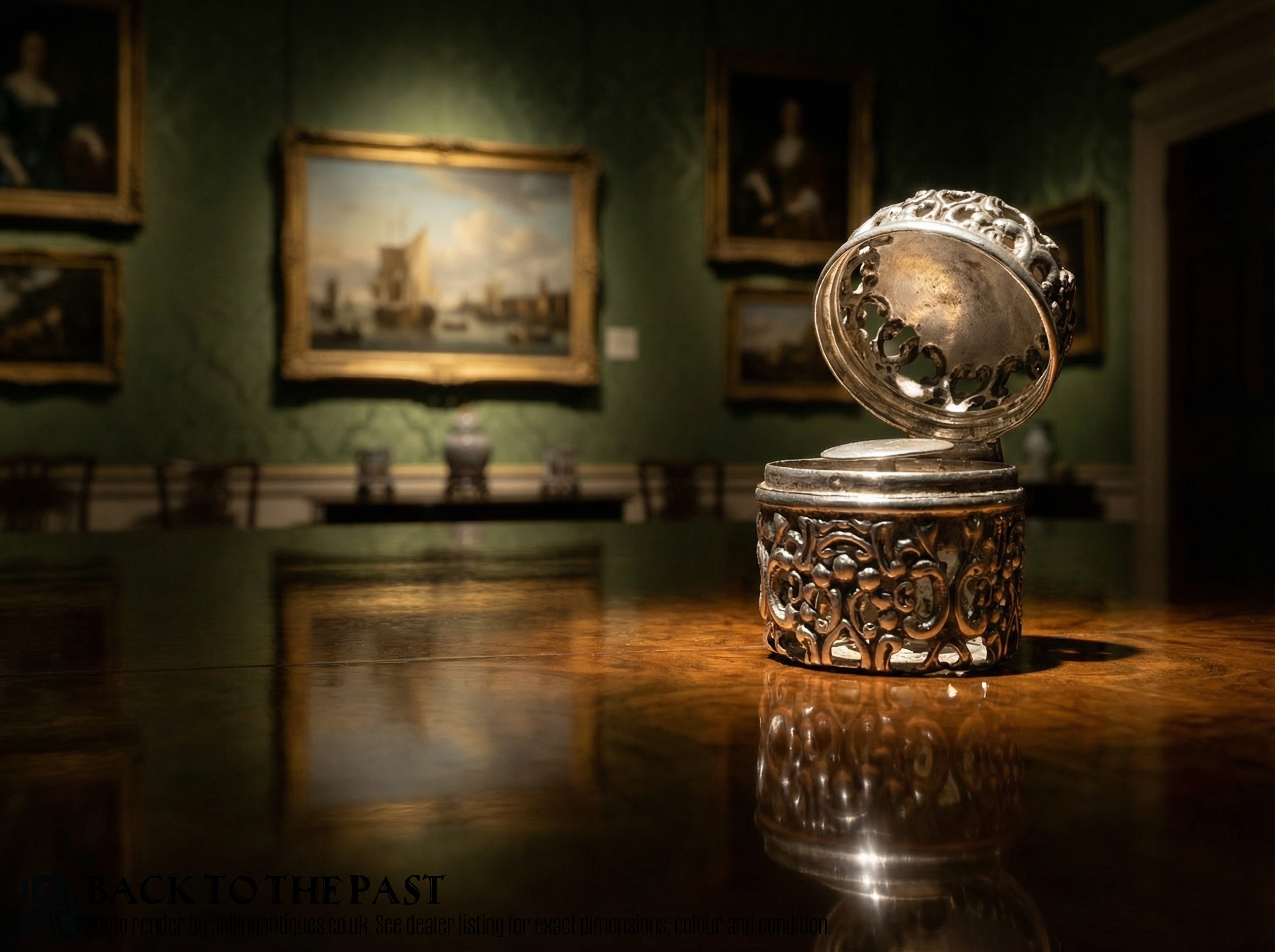
Silver Haberdashery Accessory
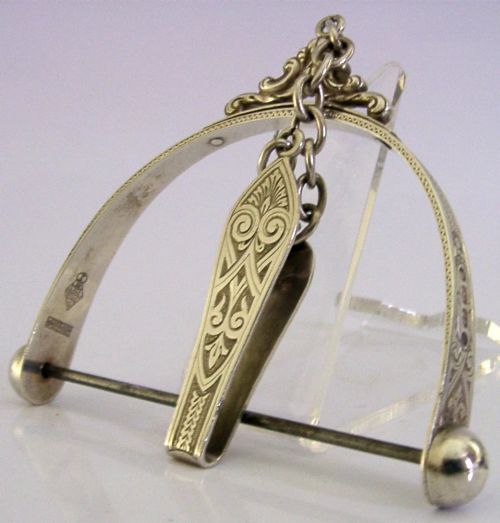
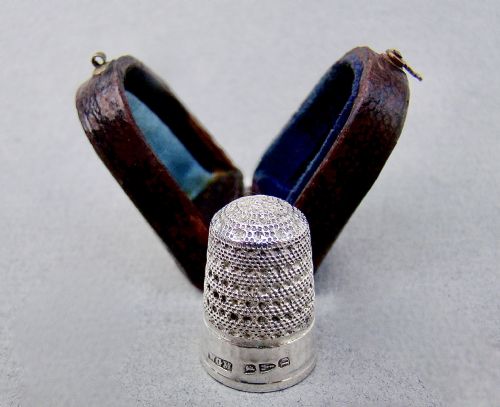
A silver haberdashery accessory encompasses items designed for sewing and needlework, ranging from practical thread holders and tape measures to ornamental pin cushions and thimbles. These objects serve both utilitarian tasks in the workroom and decorative purposes as chatelaine attachments or vanity items.
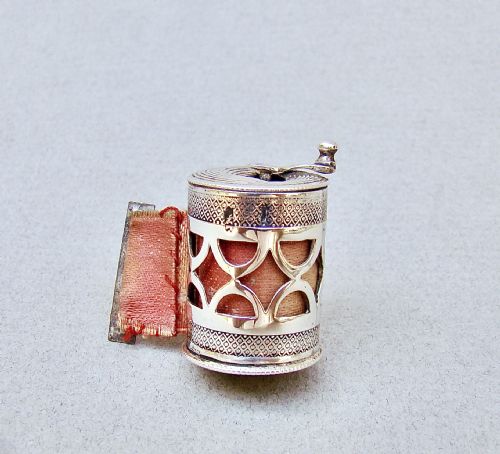
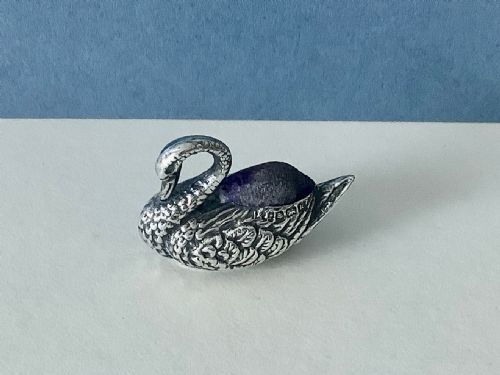
The pieces available here appear in forms such as drum-shaped tape measures, needle cases, cotton reel holders, and figural pin cushions shaped like animals or characters. Victorian and Edwardian examples dominate the selection, showing a strong preference for detailed novelty and everyday sewing equipment.
Makers and manufacturers produced these accessories across the Georgian, Victorian, Edwardian, and mid-twentieth-century periods, utilising sterling silver alongside functional fabrics. Buyers encounter both miniature items meant for portable use and larger stands designed for dressing tables.
How they were made
Silversmiths constructed these accessories using sterling silver, frequently combining the metal with materials like velvet, fabric, cotton, silk, leather, and wood to create functional compartments or soft bases for pins. Techniques such as casting, piercing, and embossing allowed craftsmen to produce intricate floral scrollwork and detailed animal forms.
Listings feature items from the Georgian, Victorian, Edwardian, and mid-twentieth-century periods, utilising sterling silver combined with velvet, silk, leather, and wood.
What varies in quality
The standard of an accessory depends on the crispness of the silversmith's cast and the depth of the chased or pierced decoration, which determines whether fine details remain sharp or appear softened. Novelty items rely heavily on the naturalism and sculptural precision of the subject.
The integration of the silver work with subsidiary materials, such as fitted wooden interiors or preserved velvet pads, influences the integrity of the piece. Maker marks and clear hallmarks also contribute to the distinction between standard workshop output and specialised guild pieces.
Walter and George Myers·Artificer's Guild
The Silver Haberdashery Accessory Glossary
- Chatelaine
- A decorative belt hook suspended with chains used to carry small domestic tools. These items allowed users to keep sewing accessories and keys close at hand.
- Hallmark
- An official stamp applied to precious metals indicating the standard of silver, the assay office, and the year of production. These marks help verify the origin of an antique piece.
- Novelty
- An object shaped into an amusing or unusual form unrelated to its strict function. In silverwork, this often includes animals, figures, or everyday objects rendered in miniature.
- Piercing
- A metalworking technique where patterns are cut out from the silver sheet to create openwork designs. This method was often applied to floral scrolls on cotton holders.
Silver Haberdashery Accessory: Frequently Asked Questions
How were these items used?
Victorian and Edwardian needleworkers used them to hold pins, dispense thread, measure cloth, and protect fingers during sewing tasks. Many were designed to hang from a chatelaine.
Others sat permanently on a dressing table or sewing desk as both decorative ornaments and functional aids for daily mending.
How do I date an antique silver sewing piece?
Dating relies heavily on hallmarks stamped into the silver, which reveal the assay office and year of manufacture. Stylistic clues also help place an item.
For example, heavy floral scrollwork often points to the Victorian era, while whimsical animal figures frequently align with Edwardian production.
How do I care for antique silver accessories?
Gentle dusting with a soft cloth keeps silver bright without wearing down delicate chased details or engravings. Avoid harsh chemical dips that strip away desirable patination.
If the piece contains original fabric or velvet inserts, keep it away from moisture to protect the internal materials and wooden components.