


Repousse Silver Miniature
These repousse silver miniature pieces are small domestic objects and novelty items modelled in precious metal, offering intricate craftsmanship for collectors.
Repousse Silver Miniature
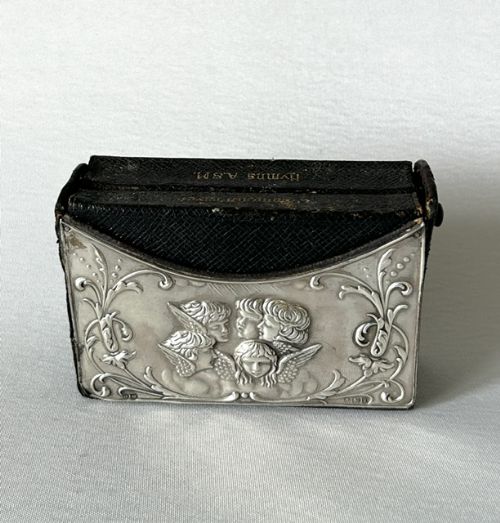
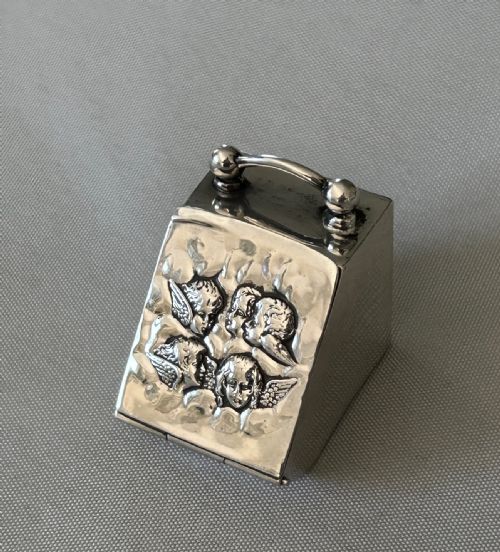
The objects on this page take varied forms, ranging from miniature silver carriage clocks and devotional objects to sewing accessories like thimble cases, candlesticks, pin cushions, trinket boxes and novelty pieces such as sedan chairs, coal scuttles and sofas. Continental examples also appear alongside British items.
Buyers most frequently meet Victorian and Edwardian examples on this page, often reflecting Rococo Revival styles. These small-scale works serve as decorative collectables, utilising glass, leather, enamel and paper elements alongside the dominant silver work.
How repousse silver miniature pieces were made
Makers shaped these miniature silver items through hammering and repousse techniques, pushing the metal from the reverse to create raised decorative motifs on the surface. Chased details were frequently added to the front to sharpen the design.
Many pieces incorporate mixed materials alongside silver, combining leather, glass, enamel and paper in objects such as cased prayer and hymn books, carriage clocks and pin cushions. Structural elements and internal fittings often rely on metal alloys or silver plate.
Collectors can acquire an entire miniature silver coal scuttle complete with a matching thimble inside.
What varies in quality
The clarity and depth of the repousse and chased ornamentation dictate the visual standard of each piece. Superior examples display crisp relief work and well-defined motifs that retain their sharpness across the miniature surface.
Construction complexity also separates standard items from finer works, particularly in novelty pieces like opening sedan chairs, coal scuttles and fitted carriage clocks. The integration of secondary materials such as enamel and leather influences the overall execution.
The Repousse Silver Miniature Glossary
- Repousse
- A metalworking technique where the design is hammered into relief from the reverse side. This method creates three-dimensional decorative patterns on thin silver sheets.
- Chased
- A technique where metal is worked from the front by hammering to sink the surface and refine repousse details. It sharpens lines and adds texture to the design.
- Sterling silver
- A silver alloy containing a specific proportion of pure silver and other metals to increase durability. It forms the primary material for many antique miniature items.
- Rococo Revival
- A design style popular during the nineteenth century characterised by ornate scrolls, asymmetry and naturalistic plant motifs. It heavily influences Victorian and Edwardian miniature silverware.
- Novelty silver
- Small decorative items shaped to resemble everyday objects like furniture, vehicles or household containers. These whimsical pieces were popular collectables in the Victorian and Edwardian eras.
Repousse Silver Miniature: Frequently Asked Questions
What were repousse silver miniature items used for?
These small pieces served various practical and decorative functions in period homes, from housing prayer books and pins to telling time on a boudoir desk.
Many objects also functioned purely as novelty display pieces or desktop ornaments, showcasing the skill of the silversmith on a tiny scale.
How do I identify Victorian miniature silver?
Victorian pieces often display the ornate scrolls and asymmetrical patterns of the Rococo Revival style, frequently taking the form of novelty items or domestic objects.
Examination of the forms, manufacturing techniques and associated materials helps place these items within the nineteenth-century timeline represented in the listings.
How should I display miniature silverware?
These compact items suit display cabinets, mantelpieces or desks where their detailed repousse work can be appreciated up close.
Care should be taken to place them away from direct heat and moisture, particularly pieces that incorporate delicate paper, leather or enamel components.