
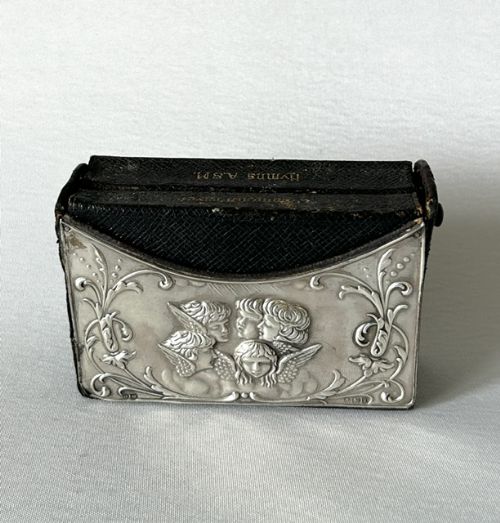
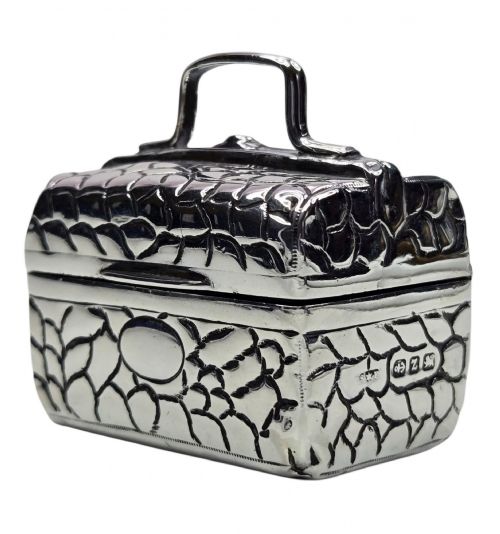
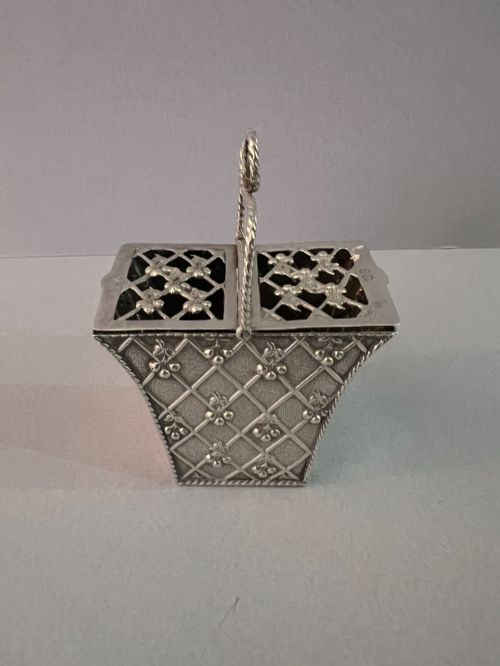
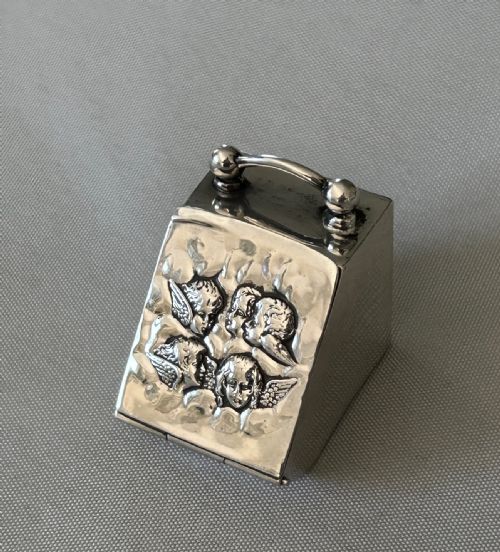


Miniature Silver Box
When you handle a miniature silver box, you hold a pocket-sized masterpiece of metalwork crafted to contain snuff, pills, or playing cards.
Miniature Silver Box
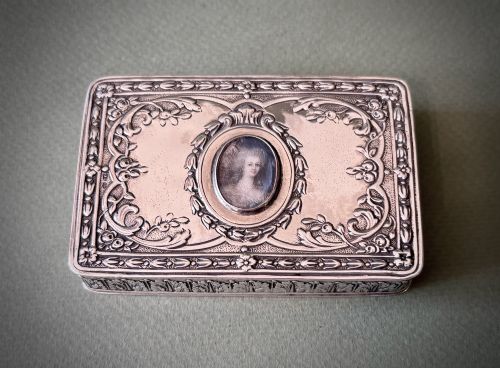
A miniature silver box serves personal and decorative functions across the Georgian, Victorian, and Edwardian periods, functioning as snuff boxes, pill boxes, and trinket boxes.
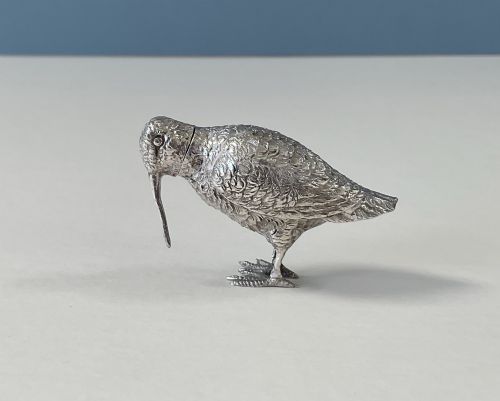
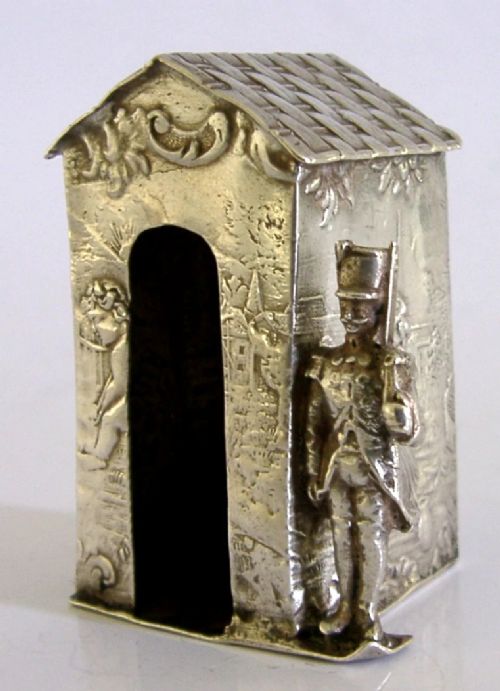
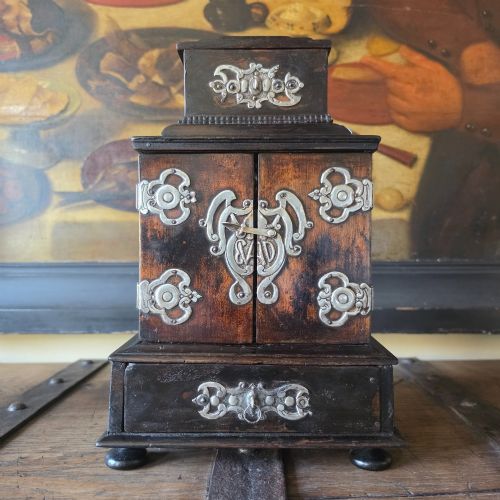
The pieces on this page appear in various forms, including novelty shapes like animals and household items, alongside traditional hinged caskets.
Origins range from English assay offices in Birmingham and London to continental workshops in Germany and France.
How they were made
Silversmiths utilised sterling silver and continental grades, shaping the metal through casting, embossing, and hand engraving.
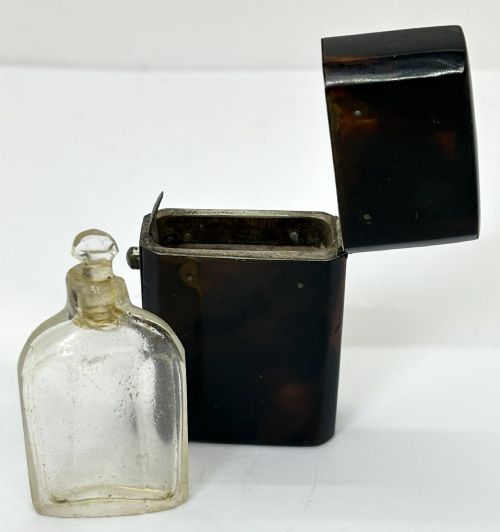
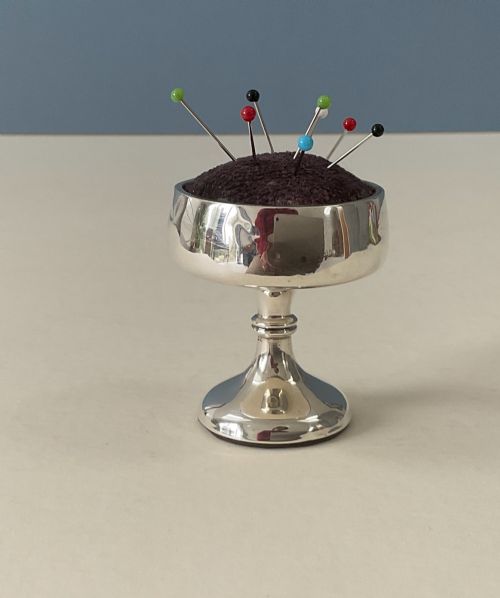
Many boxes combine silver with secondary materials such as tortoiseshell, enamel, glass, and velvet linings.
Detailed novelty pieces incorporate moving parts and fitted miniature tools or internal compartments.
Listings feature items incorporating tortoiseshell, enamel, and glass alongside solid sterling silver.
What varies in quality
The clarity of hallmarks, crispness of bright-cut engraving, and precision of the hinge mechanism determine the standard of a piece.
Maker attribution to notable workshops elevates a box above standard commercial output.
The inclusion of intact internal elements like gilding, porcelain liners, or original glass increases desirability.
Samuel Pemberton·Samuel Jacob·Nathan and Hayes·William Hutton·Samuel Landeck·S Mordan
The Miniature Silver Box Glossary
- Vinaigrette
- A small hinged box containing a pierced internal grille, designed to hold a sponge soaked in aromatic vinegar.
- Hanau silver
- Continental silver produced in German workshops, often mimicking earlier historic styles and bearing pseudo-marks.
- Bright-cut engraving
- A surface decoration technique using faceted cuts to reflect light from shallow angled grooves.
- Novelty box
- A container shaped to resemble an unrelated object, such as an animal, piece of furniture, or daily utility item.
- Guilloche enamel
- Decorative metalwork coated with translucent enamel over a mechanically engraved geometric pattern.
Miniature Silver Box: Frequently Asked Questions
What were miniature silver boxes used for?
These small containers held personal items such as pinches of snuff, medicinal pills, patches for the face, or postage stamps.
Wealthy owners carried them daily in pockets or handbags as functional accessories.
How do I date a miniature silver box?
British pieces carry hallmarks indicating the assay office, date letter, and sterling standard.
Stylistic cues such as Rococo revival scrolls or Edwardian novelty forms help narrow the period.
Are continental silver boxes marked like English ones?
Continental items often display foreign standard marks rather than British assay stamps.
Pieces originating from Hanau in Germany frequently imitate historical hallmarks from earlier centuries.
How should I clean antique silver boxes?
Gentle dusting with a soft cloth preserves the original surface and any applied gilding.
Harsh chemical dips damage delicate enamel, tortoiseshell, and velvet components.