


Antique Brienz Bear Carving
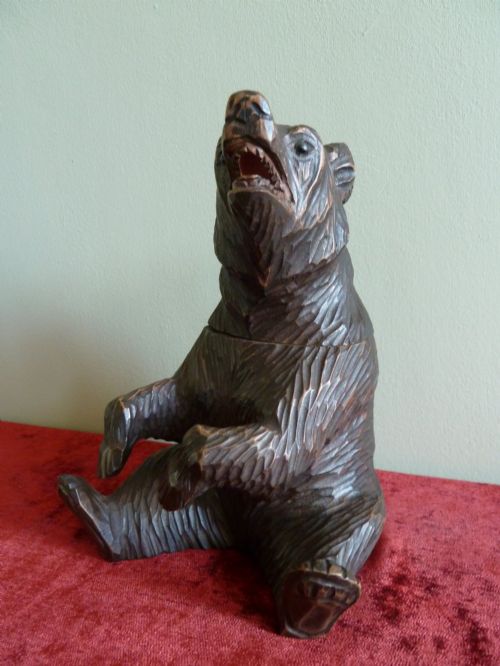
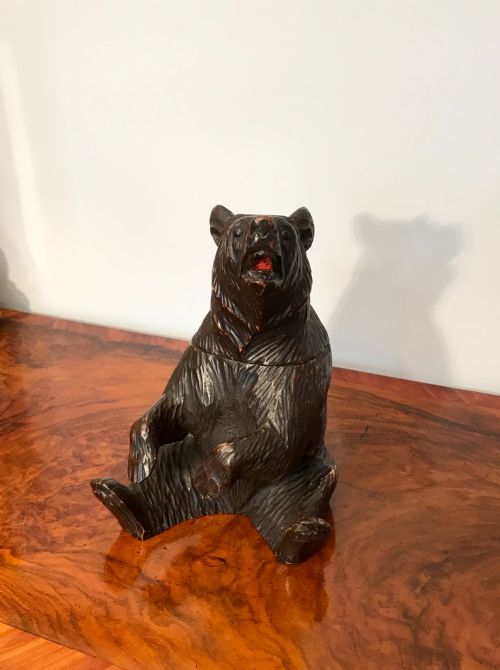
These antique brienz bear carving pieces are charming carved wooden sculptures that bring wonderful rustic character into any traditional room.
Antique Brienz Bear Carving
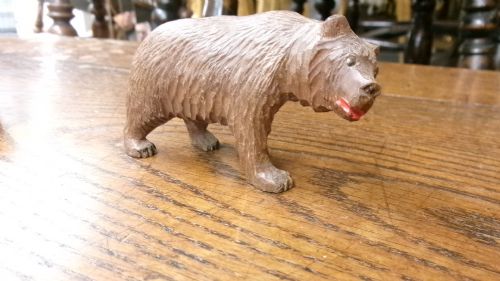
An antique brienz bear carving represents a distinct tradition of Swiss folk art and Black Forest woodwork, capturing bears in various poses. These pieces often serve practical functions as tobacco jars, stick stands, inkwells, and hall stands alongside purely decorative sculptures.
The regional carvers of this tradition focused heavily on naturalistic animal forms, sometimes depicting bears with glass eyes or metal fittings. Each sculpture demonstrates the distinct sculptural approach typical of nineteenth century European wood carving.
Materials and construction
Carvers predominantly utilised linden wood and walnut for these figures, selecting timbers that allowed for intricate hand carving of fur texture and facial expressions. The timber was seasoned carefully before shaping to prevent splitting in domestic environments.
Many sculptures incorporate applied elements such as glass eyes to enhance the realism of the bear figures. Metal fixtures, including brass components, frequently appear in functional items like inkwells, tobacco boxes, and stick stands.
A tiny set of fifteen miniature bears proves that nineteenth-century carvers could not resist working on the smallest possible scale.
Evaluating quality and craftsmanship
The distinction between standard and superior examples lies in the depth and precision of the hand carving, particularly in the rendering of fur and anatomical proportions. Finer sculptures display subtle facial expressions and careful attention to the natural posture of the bear.
Scale and complexity also differentiate the range, as larger hall stands and double stick stands require more ambitious architectural joinery than simple decorative figures. The preservation of original surface finishes and complete glass or metal components contributes to the standing of an individual piece.
The Antique Brienz Bear Carving Glossary
- Black Forest
- A regional style of nineteenth century wood carving originating from central Europe, known for realistic animal and forest motifs. This style heavily influenced Swiss folk art production.
- Lindenwood
- A pale, fine-grained timber frequently utilised by carvers for its softness and even texture. It allows for intricate detail work without splintering.
- Stick Stand
- A functional hall furniture piece designed to hold walking sticks and umbrellas, often incorporated into larger carved bear sculptures. These items combine practical utility with novelty carving.
- Humidor
- A specialised box or jar designed to keep tobacco moist, sometimes fashioned in the form of a carved bear holding a log or barrel. These lidded containers feature fitted interiors.
- Novelty
- An object designed with an amusing or unusual form that serves a secondary domestic purpose, such as a condiment figure or inkwell. These pieces blend sculpture with utility.
Antique Brienz Bear Carving: Frequently Asked Questions
What were carved bear items used for?
These carved wooden items served both decorative and practical domestic functions in period homes. Many pieces doubled as tobacco jars, inkwells, stick stands, and hall stands.
Smaller figures acted as novelties or condiment containers, while larger sculptures stood in hallways and libraries as statement pieces.
How do I date an antique bear carving?
Dating relies on examining the timber, the style of carving, and any integrated hardware like brass or glass. Most examples date from the nineteenth century through to the Edwardian period.
Manner of execution and the presence of specific functional elements also help place pieces within the Victorian or early twentieth century eras.
Where should I place these carvings at home?
These substantial wooden sculptures suit studies, hallways, and living spaces furnished with traditional or rustic decor. Functional items like stick stands and umbrella holders fit naturally near entryways.
Smaller bowls, inkwells, and miniature figures sit well on desks, mantelpieces, and side tables where the carving details can be appreciated up close.
Are these carvings made from solid wood?
The listings show that these sculptures are carved from solid timbers such as linden wood and walnut. Carvers shaped the figures directly from blocks of wood rather than using veneers.
Some pieces incorporate separate metal fittings and glass elements for functional components like inkwells and eyes.