


Japanese Carved Wood Figure
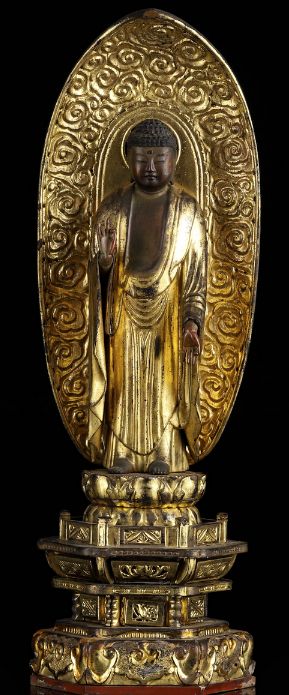
A japanese carved wood figure brings intense detail and organic warmth into a room, spanning the Meiji period down to Edwardian times.
Japanese Carved Wood Figure
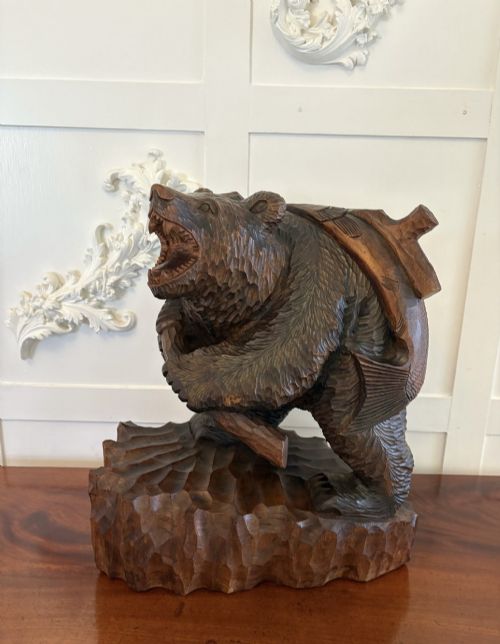
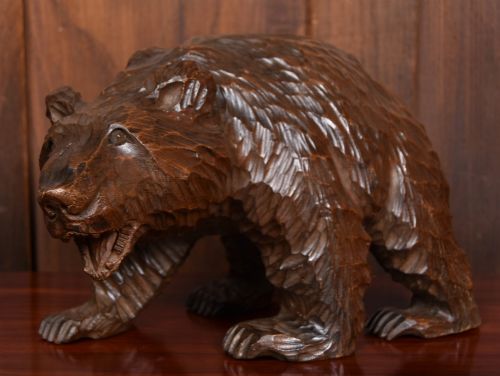
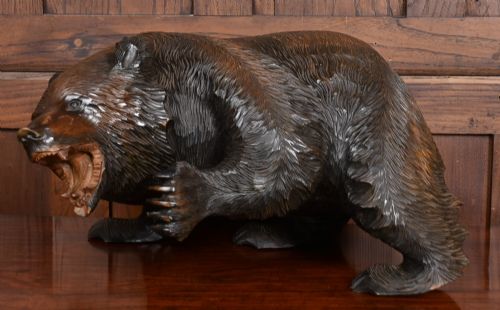
When you search for a japanese carved wood figure, you encounter subjects ranging from bears and tigers to deities, sages and everyday folk. The majority originate from the 19th century and the Meiji period, reflecting a rich tradition of craftsmanship.
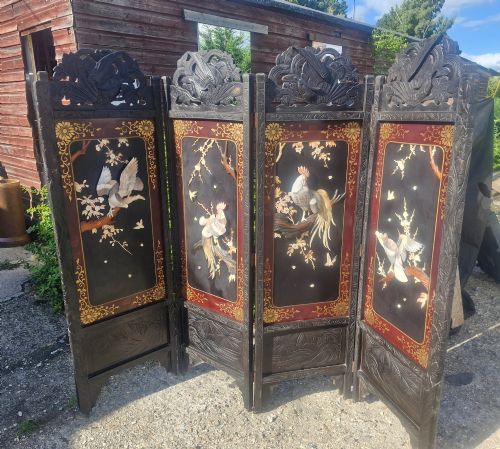
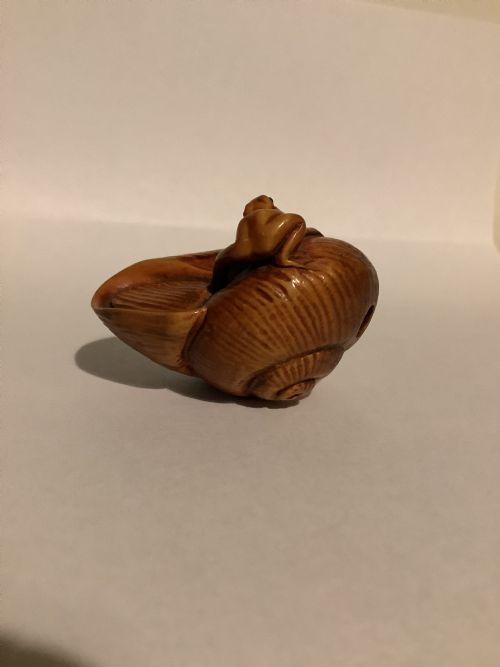
Forms vary considerably in scale and purpose. You find miniature netsuke and okimono alongside large animal sculptures, folding screens, table lamps and tobacco boxes.
The materials and styles span traditional folk art, boxwood carvings, root wood pieces and intricate figures created during the Edo and Meiji eras.
Materials and methods
Carvers utilised a variety of woods including boxwood, linden wood, hardwood and gnarled root wood, often selecting the grain to complement the subject. Some pieces combine wood with bronze, bone or lacquer decoration.
Techniques range from deep carving on folding screens to the delicate execution found in miniature netsuke. Certain pieces employ specific regional methods such as the nata-tsukuri style.
Surfaces are polished, left natural or finished with gilt, highlighting the precision of the hand-carved details.
The inventory spans the 19th century, the Meiji period, Edwardian times and the early 20th century.
Distinctions in quality
The ambition of the carving dictates the distinction between standard items and superior works. Master carvers capture vitality and expression, particularly in animal subjects such as bears, tigers and fish.
Signed pieces by known artists carry greater authority and demonstrate exceptional control over the medium. The crispness of the grain and the preservation of fine details determine the overall standing of each sculpture.
Tomochika·Masayuki·Gyoko
The Japanese Carved Wood Figure Glossary
- Netsuke
- A small carved toggle fastened to the end of a cord attached to a small container. These functional items evolved into miniature sculptures showcasing immense detail.
- Okimono
- A small Japanese decorative statuette designed for display on a shelf or in a tokonoma alcove. They often depict gods, animals or genre figures.
- Root wood
- Timber formed from the root mass of a tree, utilised by carvers for its twisted, organic shapes. Each piece follows the natural contours of the grain.
- Meiji period
- The era of Japanese history lasting from 1868 to 1912. This period saw a flourishing of decorative arts destined for export and domestic use.
- Daruma
- The Zen Buddhist patriarch depicted in art as a bearded figure without arms or legs. Carvings of Daruma often appear in netsuke and tobacco boxes.
Japanese Carved Wood Figure: Frequently Asked Questions
How do I date a Japanese wooden figure?
Dating relies on stylistic markers associated with the Edo and Meiji periods, alongside the type of wood and finishing techniques employed.
Examining signatures and wear patterns also helps establish the approximate age of the carving.
Where were these figures displayed?
Smaller okimono and netsuke sat within domestic interiors or served practical functions as toggles and tobacco containers.
Larger sculptures, lamps and folding screens functioned as prominent interior furnishings in both Japanese and Western homes.
What is the difference between an okimono and a netsuke?
A netsuke includes attachment holes for a cord used in traditional Japanese dress.
An okimono is strictly a standalone decorative object intended for display.
How should I care for antique carved wood?
Keep wooden sculptures away from direct sunlight and sudden temperature changes to prevent splitting.
Dust gently with a dry, soft cloth without applying modern polishes or oils.