


Carved Wood Figurines
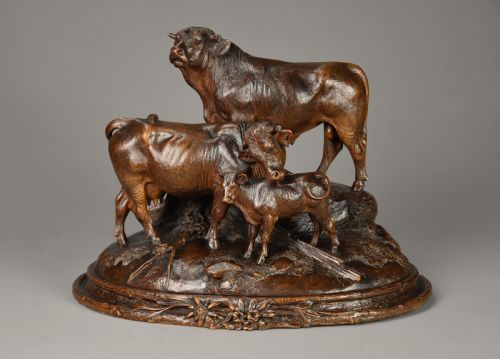
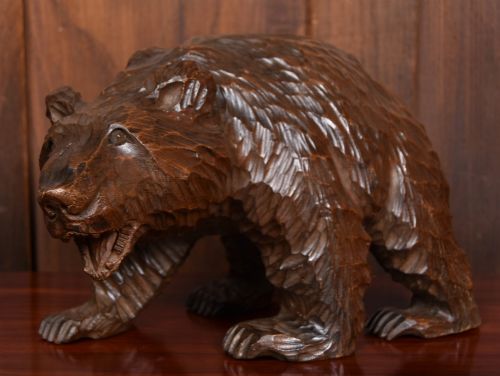
Carved wood figurines bring physical presence to a room, ranging from Black Forest bears to African tribal figures.
Carved Wood Figurines
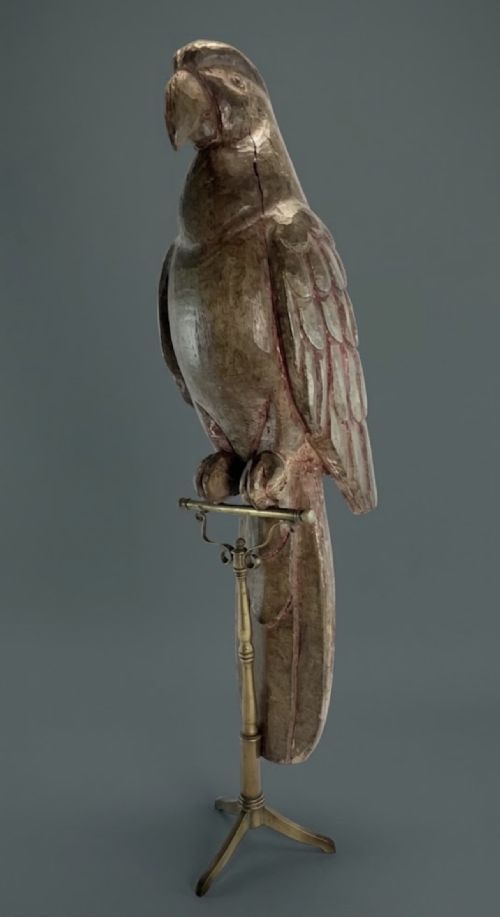
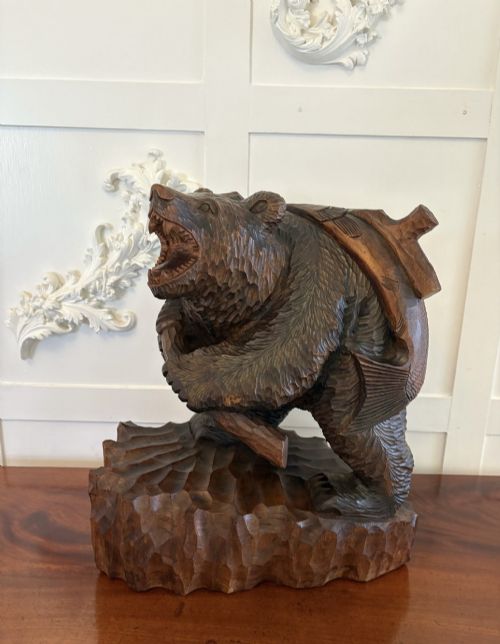
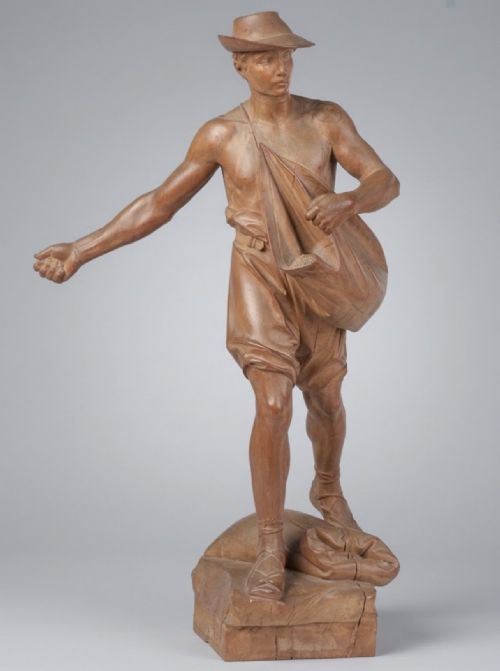
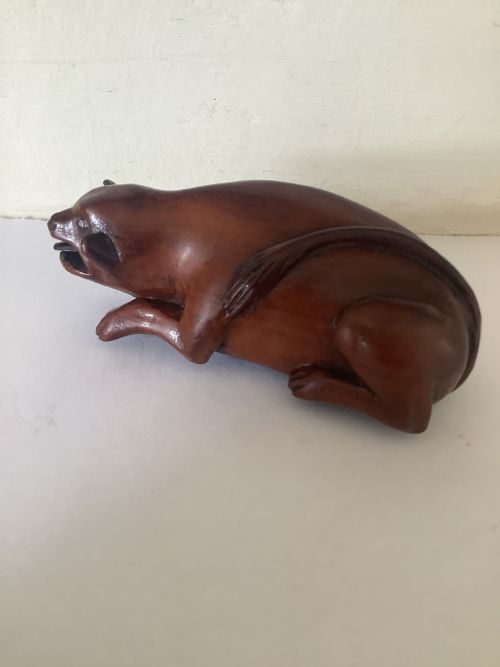
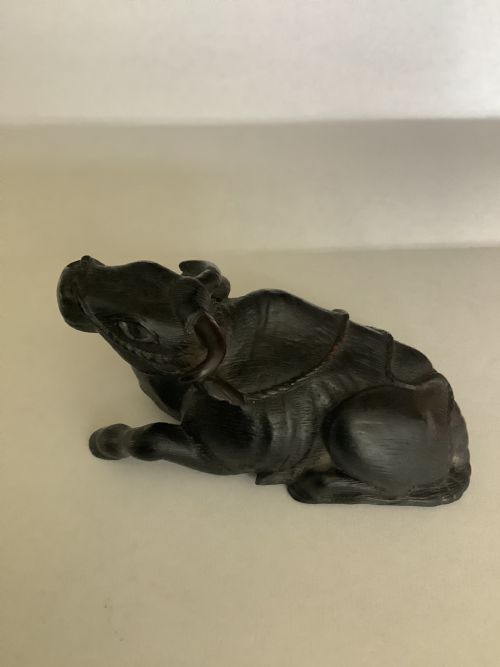
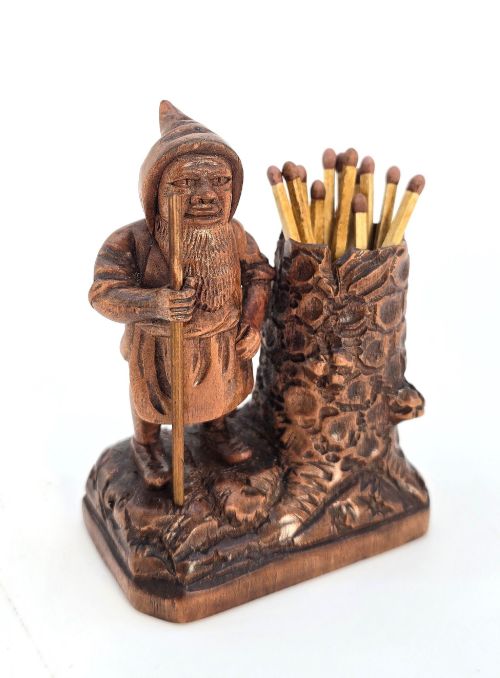
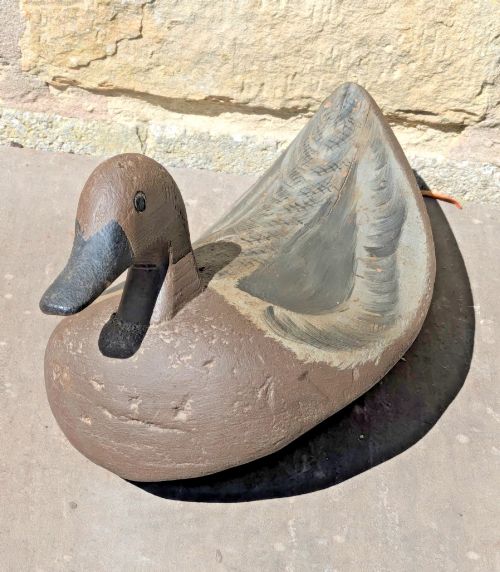
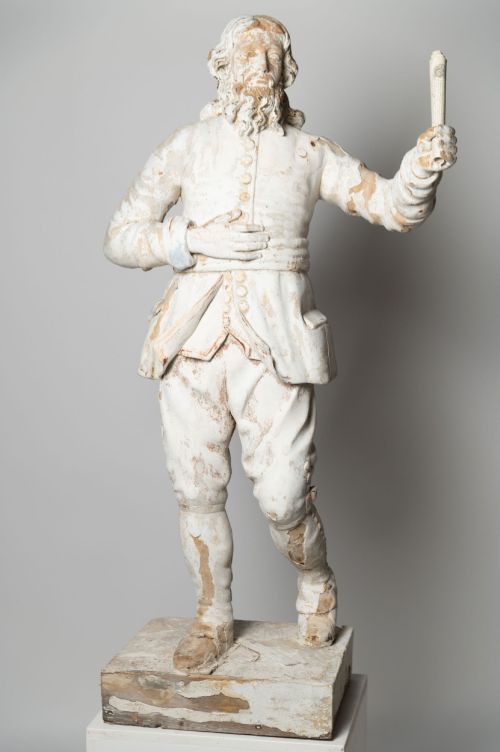
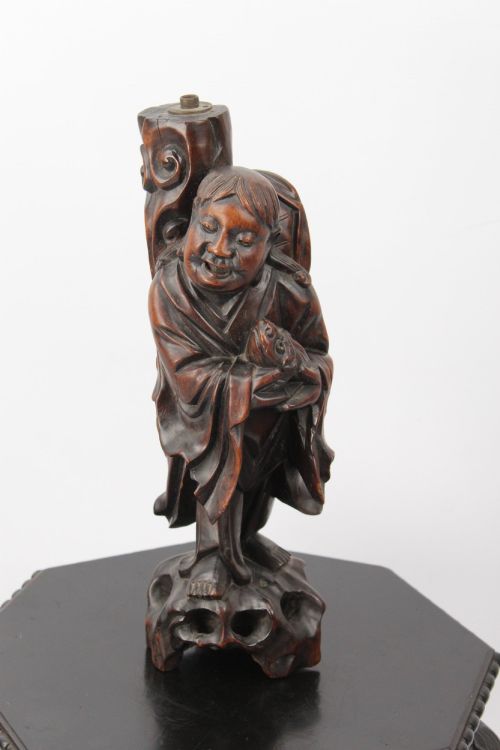
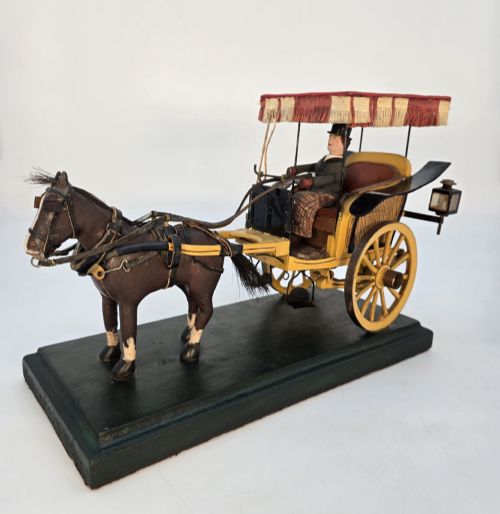
Carved wood figurines encompass small sculptures, animals, human figures, and folk art objects produced across multiple centuries. When exploring carved wood figurines, buyers frequently encounter Black Forest animals, Asian carvings, and European religious subjects.
The selection spans periods from the eighteenth century through the early twentieth century, including Victorian, Edwardian, and regional folk art traditions. Works originate from European workshops, African tribes, and Asian makers, utilising local timber traditions.
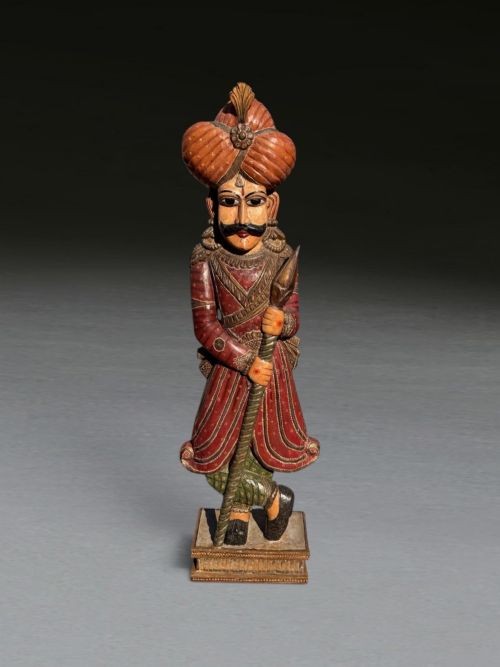
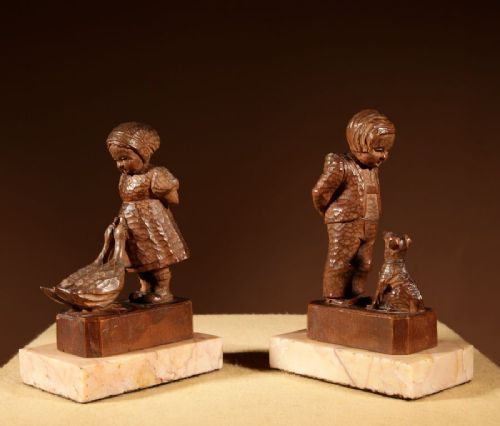
Formats range from match holders and bookends to freestanding statues of saints, soldiers, and animals. Each piece reflects the functional or decorative purpose intended by the original carver.
How they were made
Carvers utilised regional timbers such as linden wood, fruitwood, limewood, oak, walnut, and dense hardwoods. These woods were shaped using specialised gouges, chisels, and knives to establish primary forms and fine details.
Surface treatments vary from polished natural grain to hand-painted pigments, metal mounts, and brass stands. Some pieces incorporate glass stud eyes or mixed metal elements to add textural contrast.
The inventory spans the eighteenth, nineteenth, and twentieth centuries, including Black Forest, folk art, and Asian traditions.
What varies in quality
Quality rests in the precision of the carving, the liveliness of the posture, and the depth of the anatomical or textural detail. A master carver achieves expression and proportion that naive or hasty work misses entirely.
The choice and seasoning of the timber also dictate longevity and visual richness, with tight-grained limewood and figured hardwoods holding crisp edges better than softer substitutes.
J Huggler
The Carved Wood Figurines Glossary
- Black Forest
- A style of wood carving originating from the Brienz region of Switzerland, known for realistic animal studies and automata. These pieces frequently depict bears, owls, and chamois in naturalistic poses.
- Linden wood
- A pale, close-grained timber favoured by European carvers for its uniform texture and lack of prominent grain. It allows for intricate undercut details without splintering.
- Folk art
- Utilitarian or decorative objects made by self-taught or regional craftspeople outside academic traditions. These items often display naive charm and direct local materials.
- Netsuke
- A small Japanese miniature carved from wood or ivory, historically used as a toggle to secure a pouch on a kimono sash. They feature intricate detailing and often bear signatures.
- Hardwood
- Timber derived from broad-leaved trees, offering density and durability for detailed tropical or oriental carvings. Common varieties include dense Asian and African species.
Carved Wood Figurines: Frequently Asked Questions
How do I clean carved wood figurines?
Dust gently with a dry, soft-bristled brush to remove accumulation from crevices and carved details. Avoid using water, liquid cleaners, or household polishes that can damage the wood surface or original paint.
Keep pieces away from direct sunlight and sudden temperature changes to prevent the timber from drying out, warping, or splitting over time.
Are these figurines signed by makers?
Some pieces carry signatures, monograms, or workshop stamps carved into the base or hidden underneath. Signatures are more common on specific European and Japanese items from the late nineteenth and early twentieth centuries.
Many historic carvings remain unsigned because makers viewed their output as trade work rather than fine art. Unsigned examples are identified through style, tool marks, and material.
How do I date an antique wooden carving?
Dating relies on tool marks, timber selection, style, and any accompanying hallmarks or dated inscriptions. Hand-forged tool marks differ significantly from modern machine routing.
Patina also indicates age, showing natural darkening and handling wear on exposed high points. Comparing the construction methods to documented pieces helps narrow down the decade or century.
What is Black Forest wood carving?
Black Forest carving refers to nineteenth and early twentieth-century wooden sculptures made primarily in Switzerland and Germany. These works are celebrated for realistic animals, particularly bears acting human.
Subjects also include match holders, bookends, and furniture elements utilising limewood and walnut. The style achieved international popularity through international exhibitions.