




African Tribal Art
African tribal art comprises traditional carvings, metalwork and textiles carrying centuries of cultural heritage from across the continent.

African Tribal Art
African tribal art items span functional objects, ritual sculptures, and textiles created by distinct communities and regions. When exploring African tribal art, buyers frequently encounter carved wooden figures, ceremonial masks, and utility items originating from nineteenth- and twentieth-century traditions.
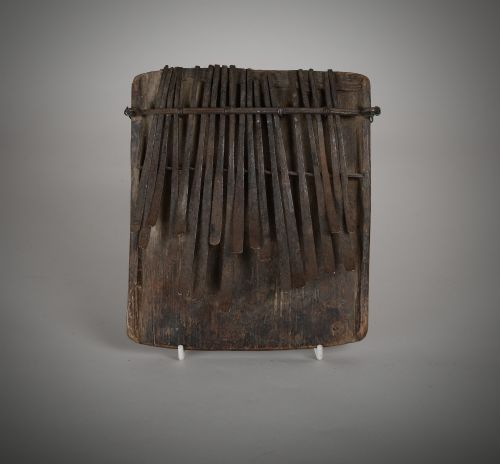
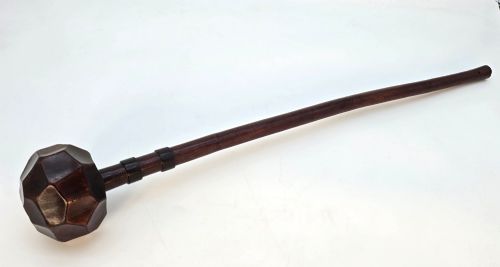
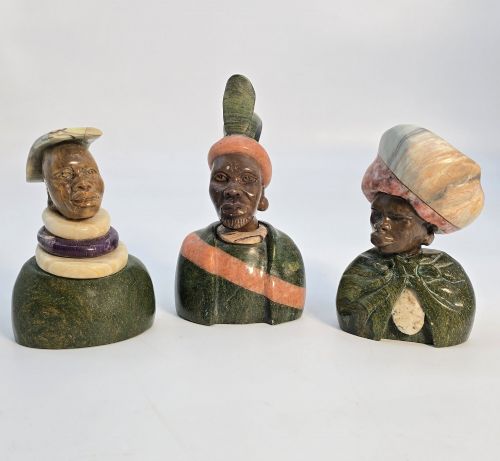
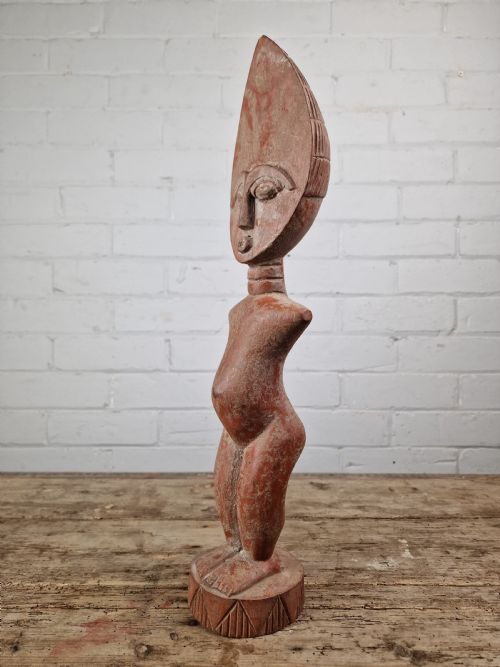
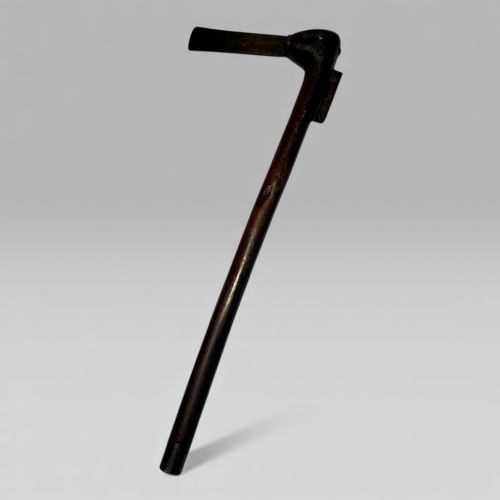
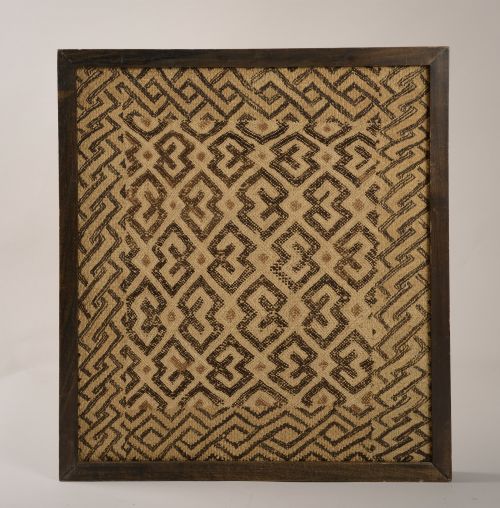
The selection ranges from Fang reliquary guardian heads and Yoruba bronze figures to Zulu knobkerries and Kuba cloth tapestries. These works reflect the specific cultural practices, status symbols, and spiritual beliefs of makers across West, Central, and Southern Africa.
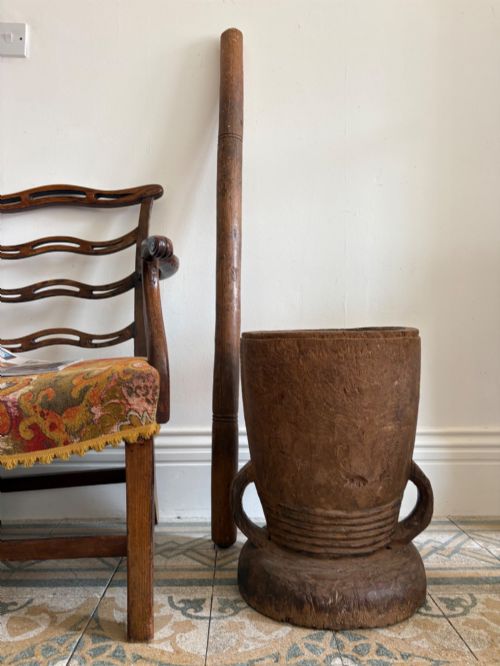
Object types vary widely from utilitarian grain mortars and marriage panels to royal statuary and dance masks. Each piece serves as a tangible link to historical craftsmanship traditions found throughout the region.
Materials and Techniques
Wood serves as the primary medium, utilising hardwoods, carved tree trunks, and specific timber varieties shaped with traditional hand tools. Pigments, vegetable dyes, and applied patinas frequently enhance the surface appearance of these carved wooden pieces.
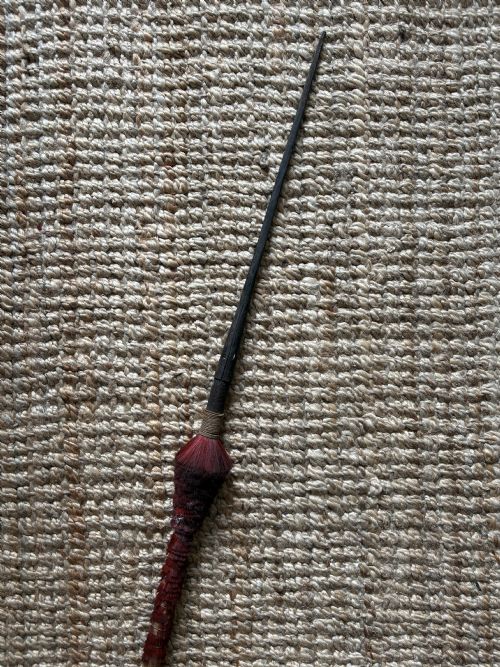
Metalworking techniques appear in bronze casting, iron forging, and brass elements utilised for ceremonial staffs, pots, and equestrian statues. Organic materials such as bone, ivory, raffia, and animal hair complete the construction of textiles, masks, and weaponry.
African Tribal Art Retail Price Guide 2026
Typical asking prices for african tribal art among the pieces listed under this phrase on Sellingantiques today, from the lower quarter to the upper quarter. They describe what is for sale here now, not the wider market.
Some nineteenth-century warriors carried fighting wrist knife bracelets so specialised that wearers had to sleep carefully to avoid accidental midnight trimming.
Assessing Quality and Authenticity
Condition plays a role, though handling marks, ritual wear, and historical repairs often validate the authenticity of objects intended for active ceremonial or daily life. The depth of cultural detail and the sophistication of regional stylistic conventions determine the standing of an individual work.
The African Tribal Art Glossary
- Patina
- The surface sheen and colour developed through age, handling, and exposure to environmental elements. It provides key visual evidence of an object's history and authenticity.
- Reliquary
- A container or guardian figure designed to hold ancestral relics. These pieces often feature stylised human forms meant to protect sacred remains.
- Knobs
- A rounded striking end on a traditional throwing club or weapon. These heavy wooden implements served defensive and ceremonial functions in Southern Africa.
- Janus
- A motif featuring two faces oriented in opposite directions. This dual viewpoint frequently appears on bronze figures and ritual objects to signify watchfulness.
- Raffia
- A natural fibre stripped from palm fronds and utilised for weaving textiles and tapestries. It forms the base material for many traditional cloths and ceremonial garments.
African Tribal Art: Frequently Asked Questions
What defines genuine African tribal art?
Genuine pieces display authentic wear patterns, traditional regional styles, and materials consistent with their stated period of origin. They were created for local use, ritual, or status rather than export.
Examination of tool marks, patination, and construction methods helps distinguish older tribal pieces from modern reproductions.
How are wooden masks cared for?
Wooden masks require stable indoor humidity and temperature away from direct sunlight to prevent cracking or fading. Dusting should be performed gently with a soft dry brush.
Applying oils or commercial polishes is generally discouraged as it can alter the historic surface patina.
Where did these tribal items originate?
The items originate from diverse regions across the African continent, including West, Central, and Southern areas. Specific communities such as the Yoruba, Zulu, Kuba, and Fang developed distinct artistic vocabularies.
Geographic attribution depends on stylistic markers unique to these tribal groups.
How can one tell the age of a bronze casting?
Age in bronze pieces is indicated by the composition of the metal, casting quality, and the nature of the surface oxidation. Historical casting methods often leave distinctive inner core residues and surface irregularities.
Comparing stylistic conventions with documented museum examples aids in period verification.