




Antique Tribal Container
An antique tribal container carries the practical history of nomadic makers, offering tactile storage shaped by regional traditions.
Antique Tribal Container
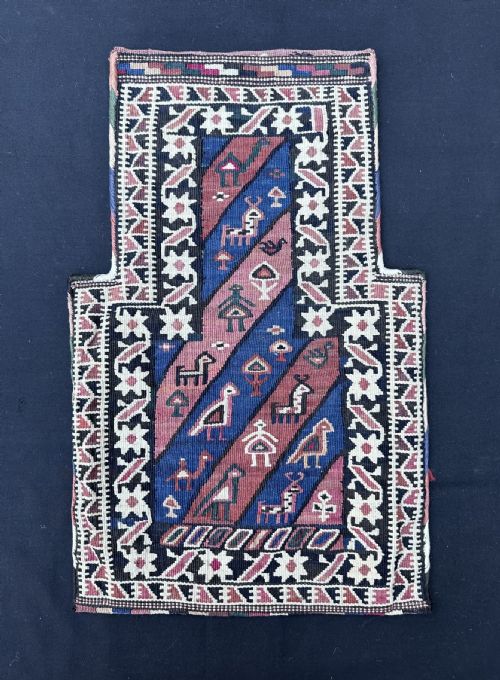
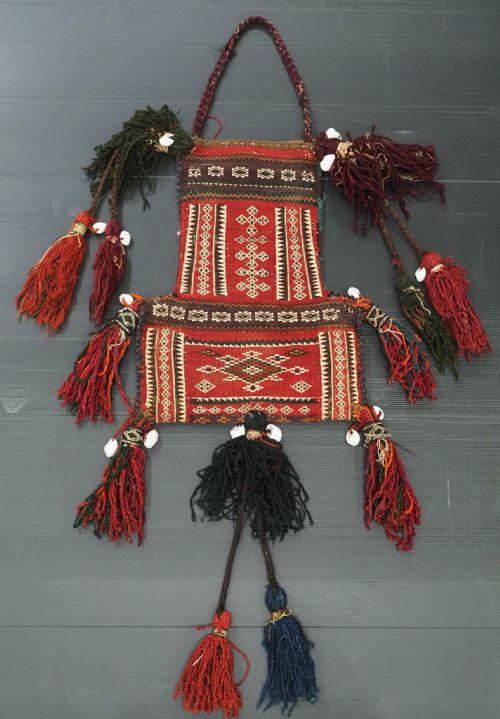
An antique tribal container encompasses woven salt bags, rigid wooden vessels, and cast bronze pots made by nomadic and indigenous groups. These objects served utilitarian purposes within daily life, holding salt, gunpowder, or personal belongings.
The selection on this page centres on salt bags, storage bags such as mafrash panels, carved wooden vessels, and bronze ceremonial pots. Originating from Persian, Caucasian, African, and Oceanic regions, these containers reflect distinct cultural practices from the eighteenth century to the early twentieth century.
Woven examples include pieces attributed to the Kordi, Afshar, Baluch, Yomud, and Shahsavan tribes. Rigid containers feature carved wood, cast bronze, and bone materials, representing diverse global craftsmanship.
What varies in quality
Quality in woven pieces depends upon the tightness of the weave and the preservation of original backs and structural elements. Completeness in storage bags and clarity of geometric or tribal patterns elevate the piece.
For metal and wooden containers, the crispness of the carving or casting defines the standard. The weight of the bronze and the survival of natural surface patination indicate superior craftsmanship.
Antique Tribal Container Retail Price Guide 2026
Typical asking prices for tribal container among the pieces listed under this phrase on Sellingantiques today, from the lower quarter to the upper quarter. They describe what is for sale here now, not the wider market.
Listings span from the eighteenth century to the early twentieth century, featuring wool, bronze, wood, and bone materials.
The Antique Tribal Container Glossary
- Mafrash
- A large rectangular storage bag used by nomadic tribes for bedding and household goods. These are often woven in flatweave or soumak techniques.
- Namakdan
- A traditional Persian tribal salt bag with a narrow neck, designed to hold and dispense salt. They typically feature distinctive geometric patterns.
- Soumak
- A flatweaving technique that wraps supplementary weft threads over the warp, creating a durable and textured face. It provides extra strength to utilitarian bags.
- Mafrash
- A large rectangular storage bag used by nomadic tribes for bedding and household goods. These are often woven in flatweave or soumak techniques.
Antique Tribal Container: Frequently Asked Questions
What is a mafrash?
A mafrash is a large storage bag used by nomadic groups to transport household possessions on pack animals. They were typically woven as long panels and assembled into heavy-duty containers.
These pieces showcase traditional tribal designs and durable flatweave or pile techniques tailored for nomadic life.
How were salt bags used?
Salt bags served nomadic households for storing coarse rock salt used in cooking and animal husbandry. Their narrow necks prevented the contents from spilling during transit.
Nomads hung these containers inside their tents, combining practical utility with expressive regional patterns.
What materials are common?
Woven pieces rely primarily on hand-spun wool, cotton, and goat hair. Bronze, carved wood, and bone appear in rigid containers and flasks.
Natural fibre rope and cowrie shells also contribute to the construction and decoration of specific tribal objects.
How are periods identified?
Periods are assessed through material wear, dye analysis, and structural construction methods. Examining the wool type and weave density helps narrow down the era of production.
Stylistic motifs specific to particular tribes also offer reliable indicators of a piece's age and regional origin.