
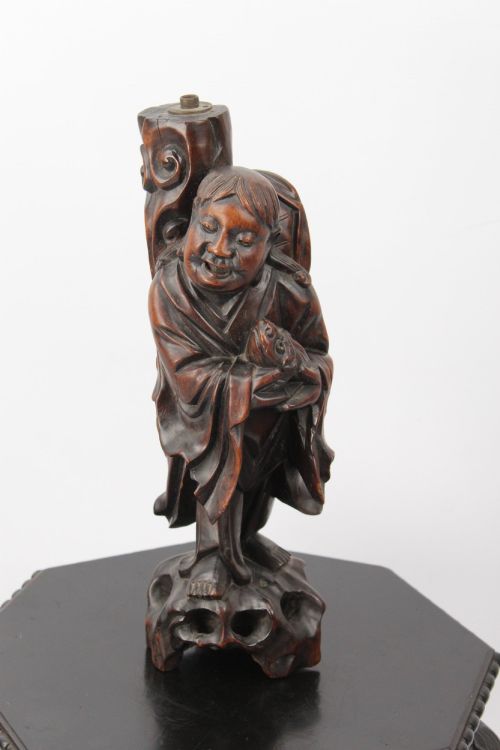
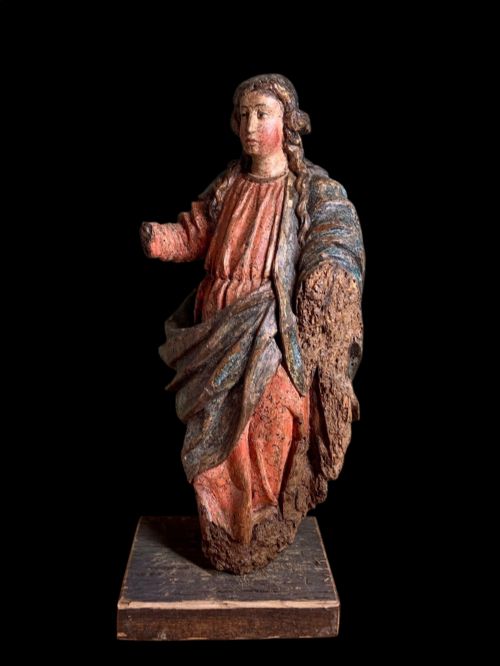
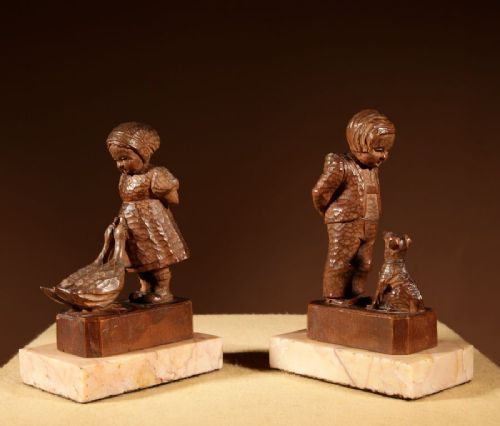
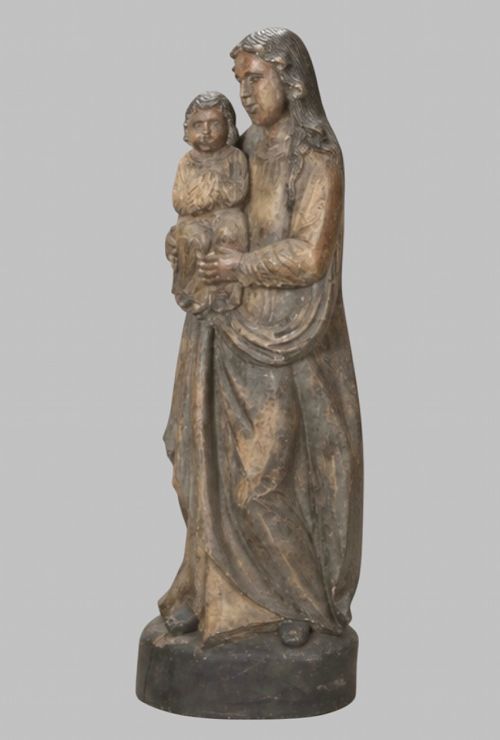
Brown Wood Statue
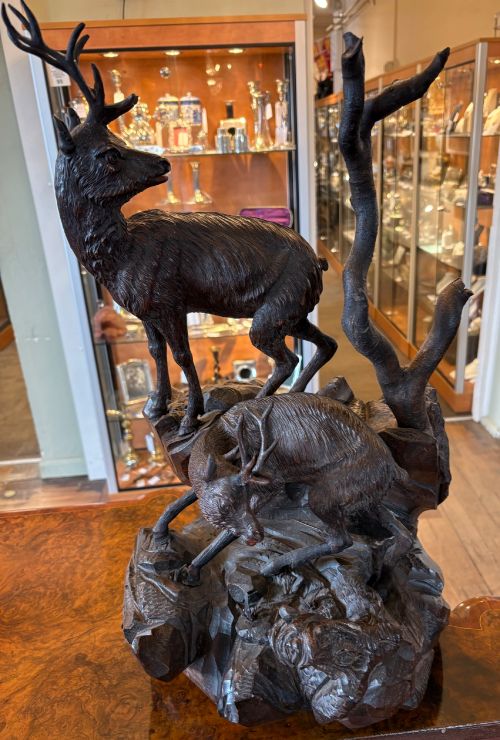
A brown wood statue brings warmth and character to a room, ranging from European animal carvings to devotional figures.
Brown Wood Statue
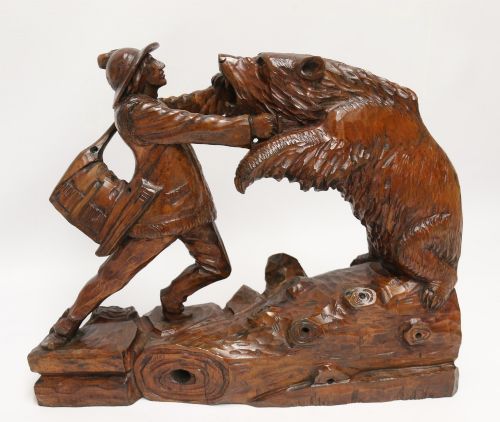
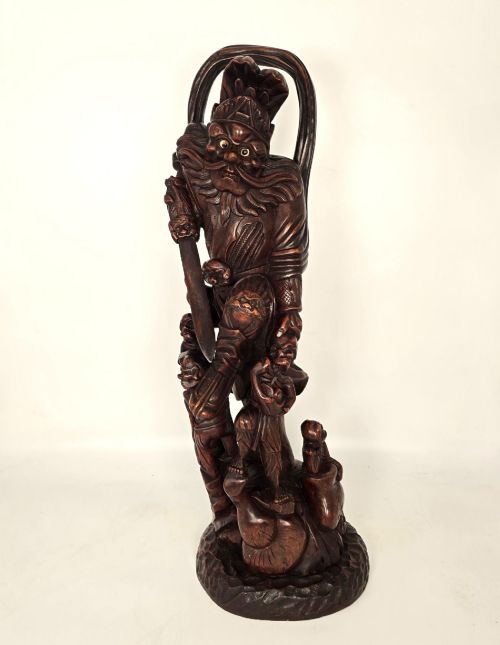
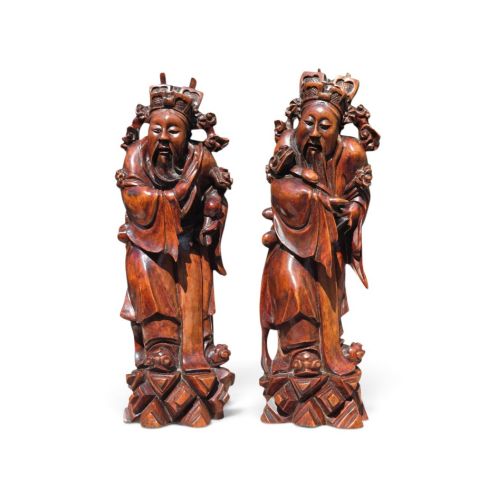
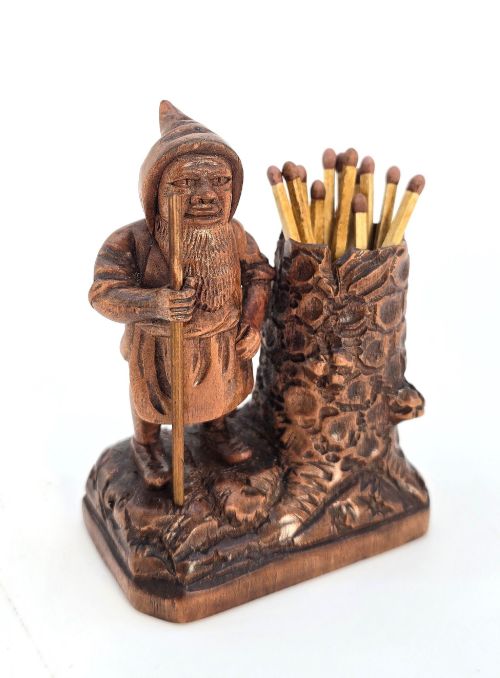
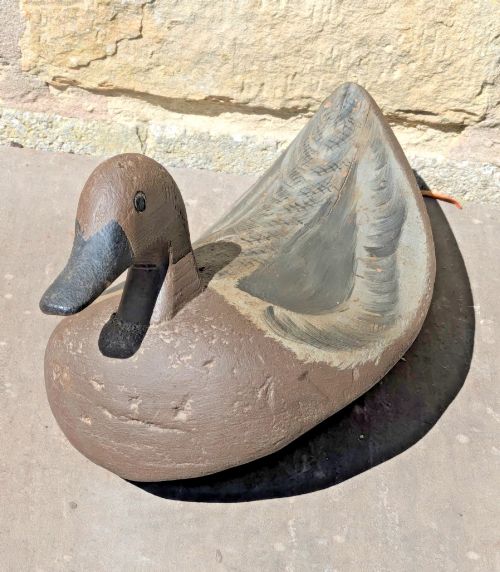
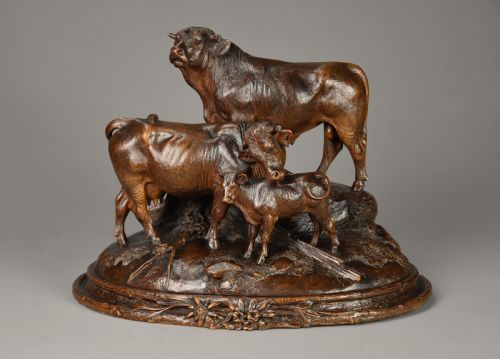
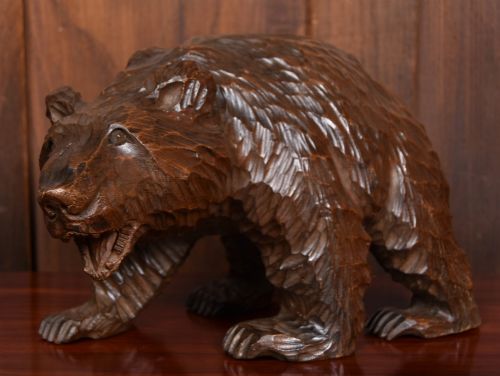
A brown wood statue encompasses carved figures, animals, saints, and decorative objects shaped from timber over several centuries. When exploring brown wood statue options, buyers encounter everything from Swiss Black Forest bears to Chinese hardwood guardians and Italian devotional saints.
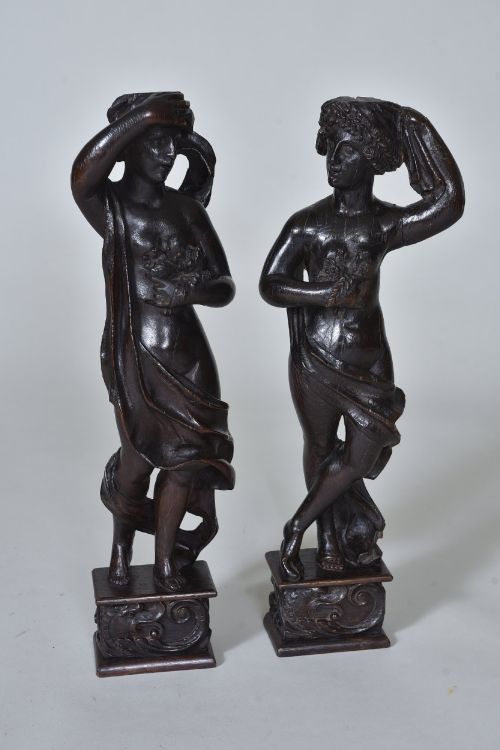
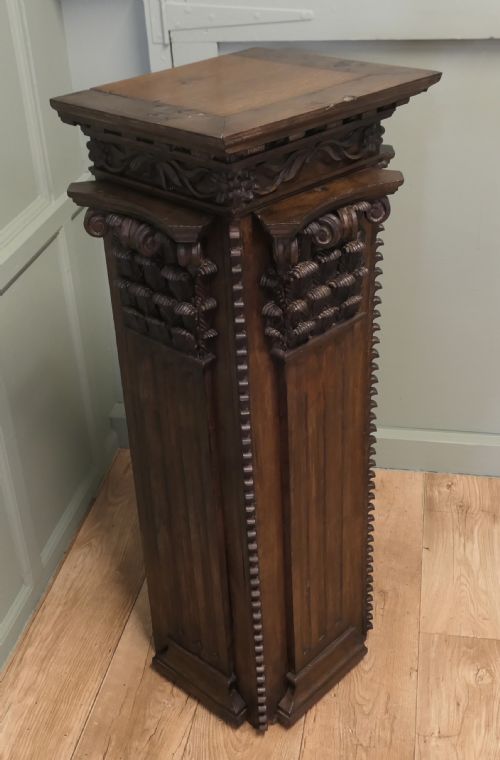
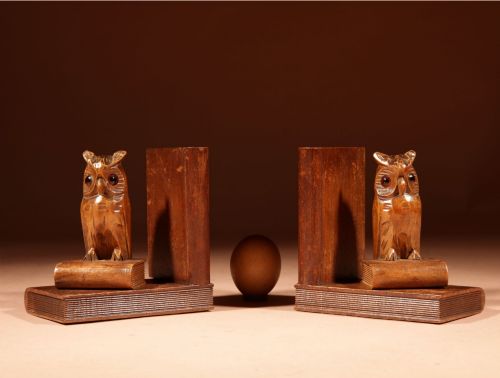
The pieces on this page span the eighteenth, nineteenth, and early twentieth centuries, reflecting diverse global traditions including Japanese folk art, African tribal works, and European Baroque woodcarving. Common forms include free-standing human figures, wildlife groups, architectural pedestals, and functional items such as bookends and tobacco holders.
How they were made
Carvers shaped these works using traditional hand tools on regional timbers, selecting oak, walnut, linden wood, and dense hardwoods depending on the workshop origin. Artisans often finished surfaces with wax, clear polish, or polychrome paint, occasionally incorporating mixed metal mounts or glass stud eyes.
European pieces frequently utilise the soft, even grain of linden wood or lime to achieve deep relief and fine animal details, whilst Asian workshops relied on heavy exotic hardwoods to support monumental figures of deities and mythical creatures.
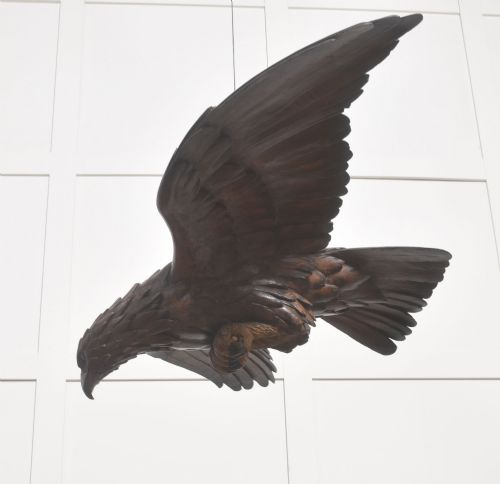
Listings feature eighteenth-century polychrome figures, nineteenth-century Black Forest animals, and early twentieth-century African tribal carvings.
What varies in quality
The integrity of the timber surface also shapes the standard of a piece, distinguishing items that retain their original patina, untouched polychrome pigment, and stable structure from those altered by heavy restoration over time.
J Huggler·Sier Kunst
The Brown Wood Statue Glossary
- Black Forest
- A nineteenth-century Swiss and German carving tradition known for naturalistic bears, owls, deer, and rustic woodland furniture. These pieces were heavily produced for the tourism market and prized for charming animal realism.
- Polychrome
- Painted in several colours, often seen on eighteenth-century religious statues and folk art figures to imitate life. Pigments were typically applied over a gesso ground on wood.
- Hardwood
- Timber from broad-leaved angiosperm trees, offering dense and durable material for intricate Asian and African sculptures. Common varieties include heavy tropical species that resist splitting.
- Santos
- A carved devotional figure of a saint or holy person, originating from Catholic traditions for processional use or domestic shrines. Many retain fabric garments or carved wooden robes.
Brown Wood Statue: Frequently Asked Questions
How do I clean a wooden statue?
Dust the surface gently with a dry, soft-bristled brush to prevent dirt accumulation within the carved crevices. Avoid using water, liquid cleaners, or modern household sprays, which can strip historic wax and damage the timber.
Apply a microcrystalline wax sparingly if the wood appears dry, buffing it gently with a soft cloth to restore a natural protective sheen.
What woods were commonly used?
European carvers frequently selected oak, walnut, and linden wood for their reliable grain structure and durability. Linden wood was especially favored for intricate animal and human figures due to its soft texture.
Asian and African traditions utilised dense exotic hardwoods capable of supporting large architectural sculptures and detailed guardian figures.
How do I identify Black Forest carvings?
Black Forest carvings are typically rendered in walnut or linden wood, most famously depicting bears, dogs, owls, and forest foliage. They often date from the late nineteenth or early twentieth century and originate from Switzerland or Germany.
Look for expressive glass eyes, naturalistic poses, and deep relief work characteristic of Alpine souvenir production.
Where should I display my statue?
Position wooden sculptures away from direct sunlight, heating vents, and damp areas to prevent the timber from warping or cracking. Stable indoor humidity helps preserve the original surface finish and structural integrity.
Place larger figures on sturdy sideboards or dedicated display pedestals where they can be viewed safely without risk of accidental knocks.