


Chinese Wood Sculpture
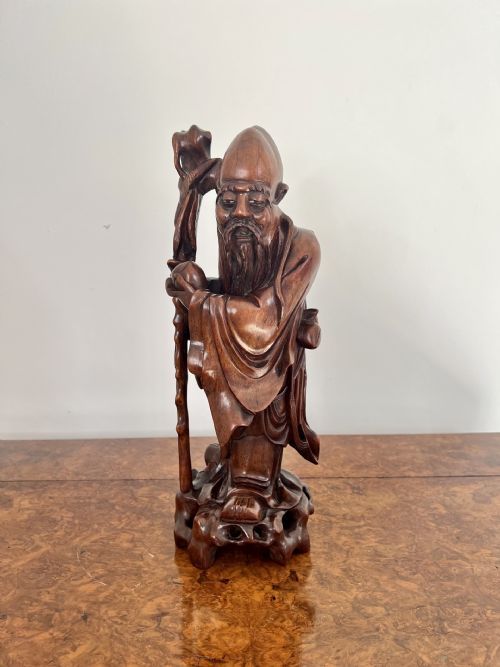
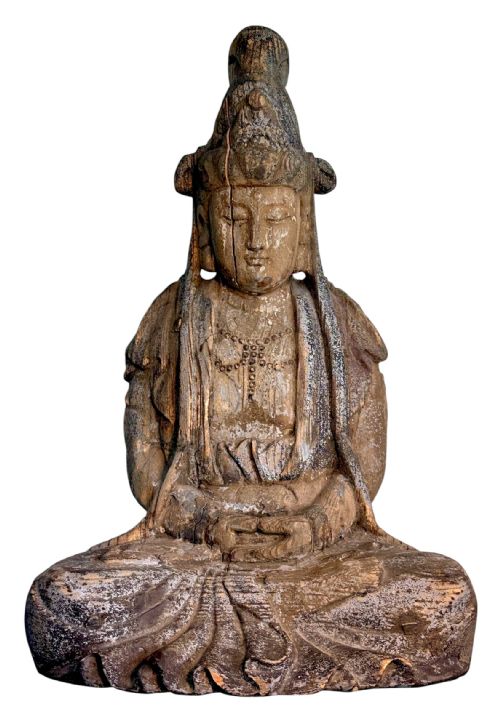
These pieces of chinese wood sculpture bring centuries of master craftsmanship into a room, offering carved figures of deities, animals, and scholars.
Chinese Wood Sculpture
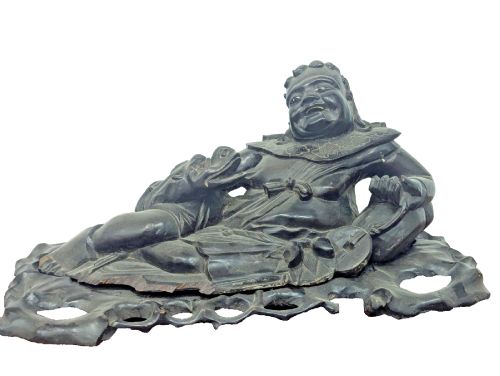
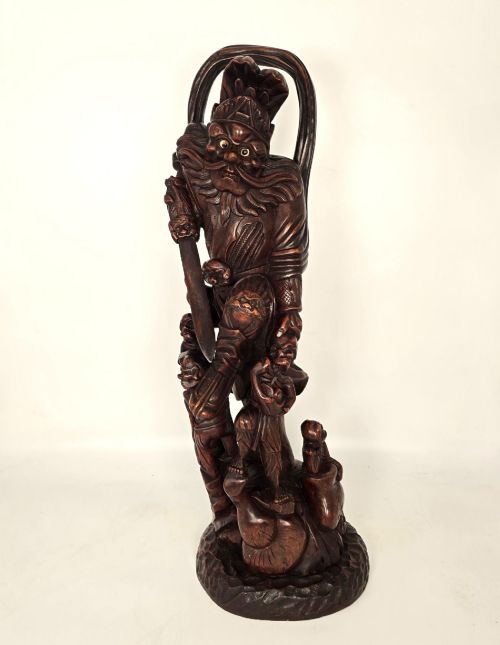
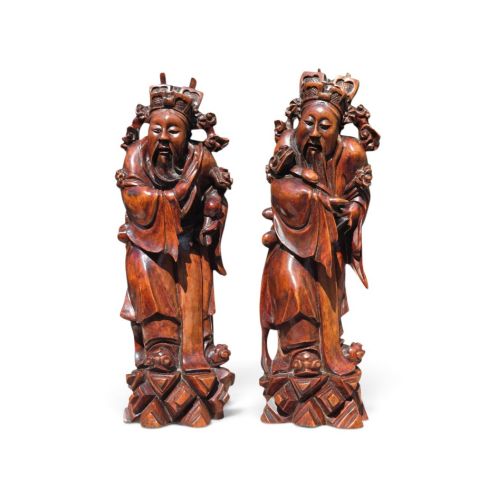
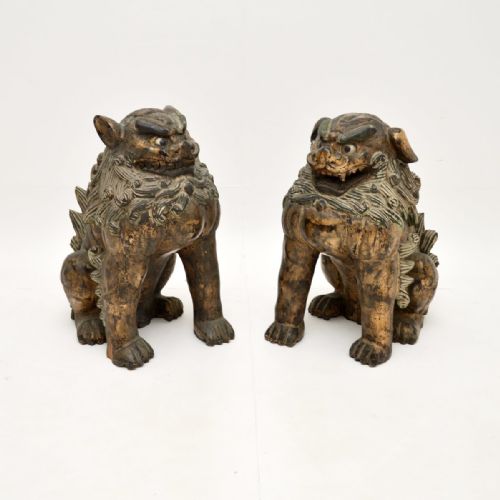
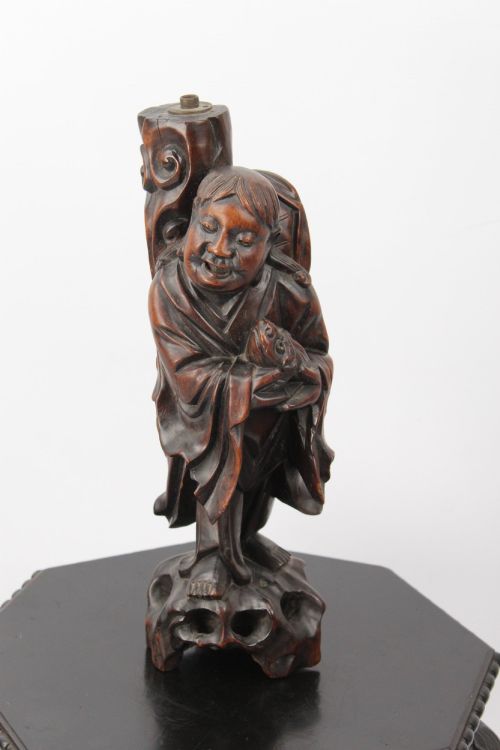
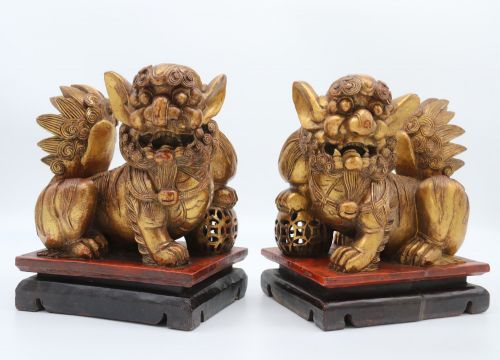
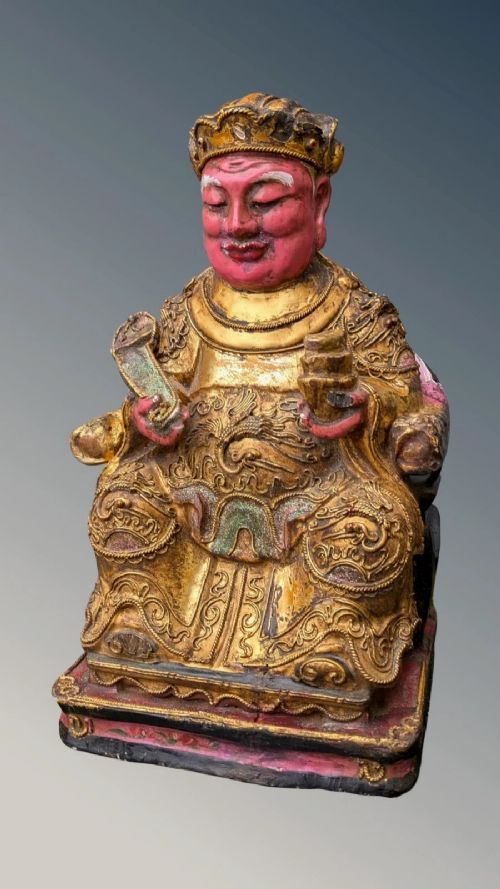
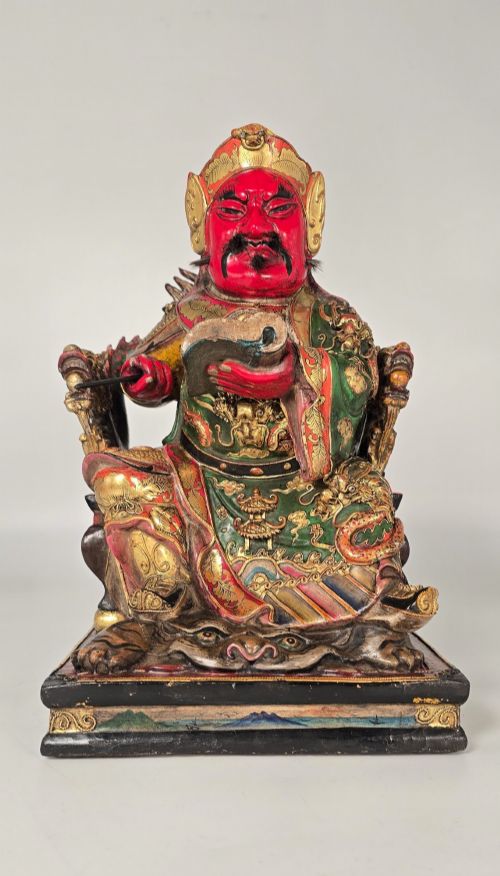
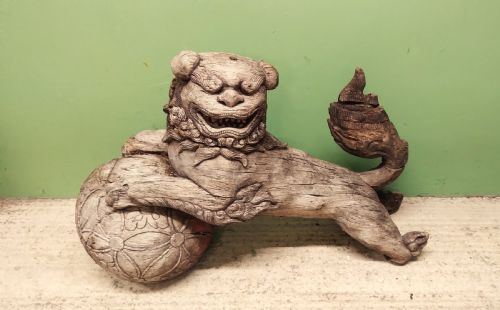
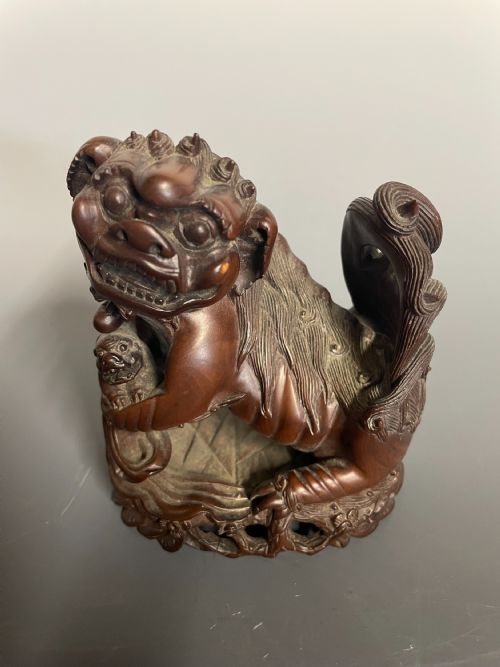
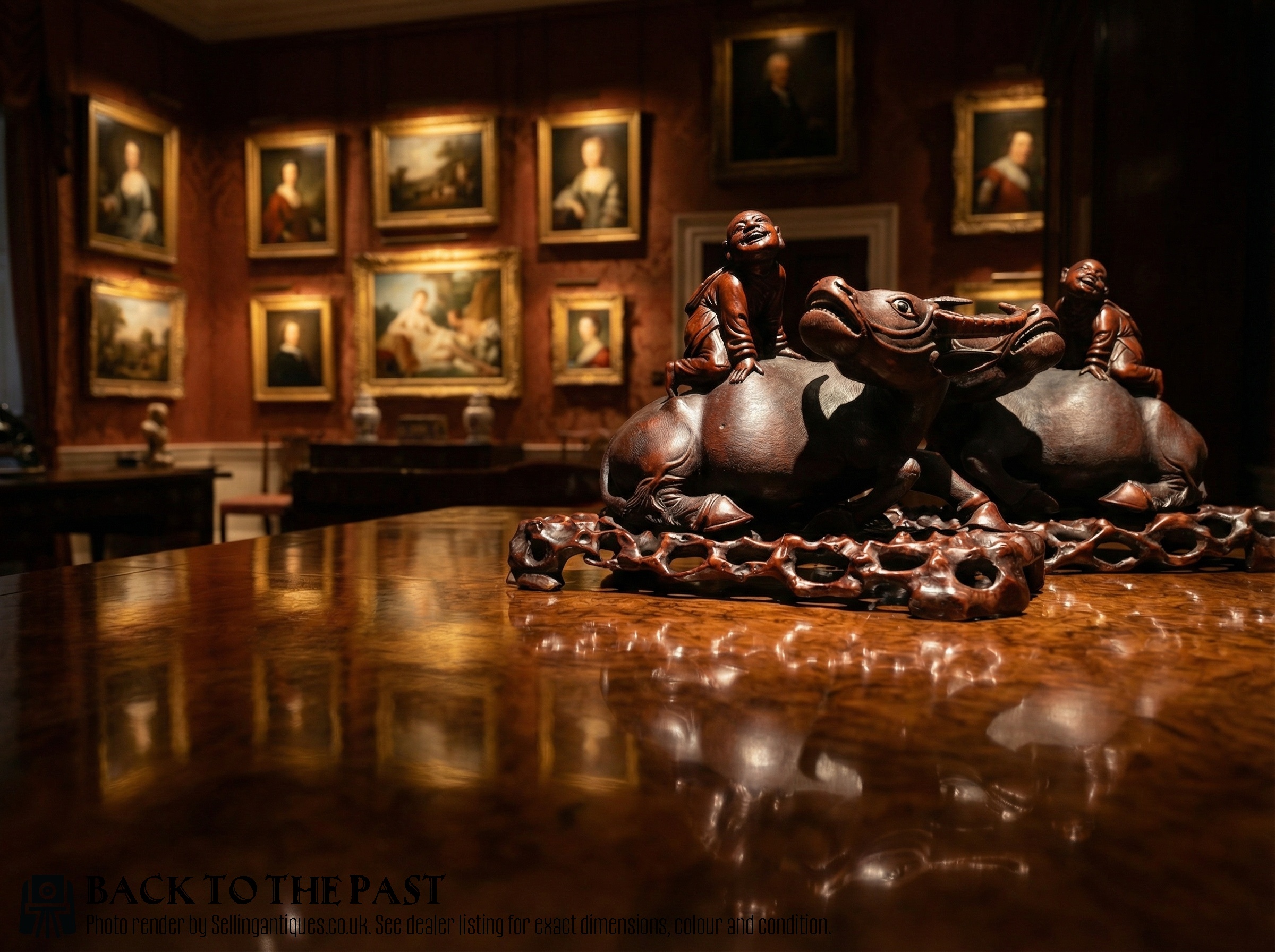
A chinese wood sculpture encompasses traditional carved figures, temple guards, and mythical beasts originating from various historical periods including the Qing Dynasty and the late nineteenth century. These objects frequently take the form of Daoist immortals, Buddha figures, Foo dogs, and scholars rendered with careful attention to expression and posture.
The selection on this page relies heavily on substantial hardwood carvings and rootwood figures, alongside polychrome painted pieces and gilded temple guardians. Buyers encounter both single monumental statues and matched pairs designed for traditional settings.
How they were made
Makers utilised dense native hardwoods, fragrant boxwood, and organic root wood, shaping the natural contours of the material to suggest the forms of animals, scholars, or deities. Many surfaces received intricate hand-carving in high relief, while others were finished with layers of lacquer, gold leaf, and polychrome paint.
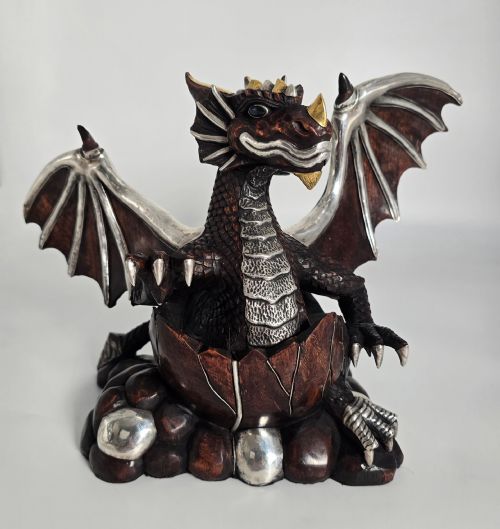
Several works incorporate mixed metal mountings or brass elements, and rootwood furniture pieces occasionally integrate stone inserts such as quartz tops. The construction reflects traditional joinery and sculptural techniques passed down through generations of artisans.
The listings feature wood, hardwood, root wood, lacquer, and gold leaf across objects ranging from ritual temple figures to table stands.
What varies in quality
The distinction between average and exceptional work lies in the depth of the carving and the life present in the facial expressions and drapery of the figures. Superior examples display anatomical proportion and fine detailing in hands, hair, and clothing folds that weaker pieces leave flat or generalised.
Preservation of original surfaces, including intact gilding, polychrome pigment, and undisturbed patination on unpainted hardwood, alters the standing of an object. The natural integrity of root wood and the absence of clumsy restoration work further separate ordinary items from masterworks.
The Chinese Wood Sculpture Glossary
- Hardwood
- Dense, slow-growing timber selected for stability and fine grain, commonly used in traditional Chinese carving. It provides a durable base that takes a high polish without splintering.
- Root wood
- Timber sourced from the root system of a tree, prized by carvers for its twisted, gnarled natural shapes. Artisans often incorporate these organic forms into the design of scholar's objects and figures.
- Foo Dog
- A traditional guardian lion depicted in pairs outside temples and palaces to ward off evil spirits. They appear frequently in carved wood and stone across various dynasties.
- Polychrome
- Painted in several colours, often applied over a gesso or lacquer ground on wooden temple figures. This technique enhanced the lifelike appearance of deities and historical personages.
- Daoist Immortal
- A mythical or historical figure who achieved spiritual transcendence, commonly represented in sculpture with specific attributes such as a peach or staff. These figures form a major subject in traditional woodwork.
Chinese Wood Sculpture: Frequently Asked Questions
What periods do these sculptures come from?
The listings span several centuries, with a strong representation of nineteenth-century pieces alongside examples dated to the eighteenth century and the early twentieth century. Makers worked within traditions that extended from the Qing Dynasty through later regional workshops.
Specific dates are often attributed based on stylistic markers, tool marks, and the ageing of the timber, ranging from seventeenth-century temple figures to 1930s decorative objects.
How do I care for antique wood sculptures?
These pieces require stable indoor humidity and protection from direct sunlight to prevent the timber from drying out, cracking, or fading. Dusting should be done gently with a dry, soft brush rather than liquid polishes.
Polychrome and gilded surfaces are particularly sensitive to moisture and abrasion, meaning handled areas should be touched as little as possible to preserve the original finish.
How are temple figures different from domestic carvings?
Temple figures, such as guardian kings and civil officials, were created on a monumental scale for ritual spaces and religious architecture. They often feature dynamic poses, heavy polychrome paint, or gold leaf.
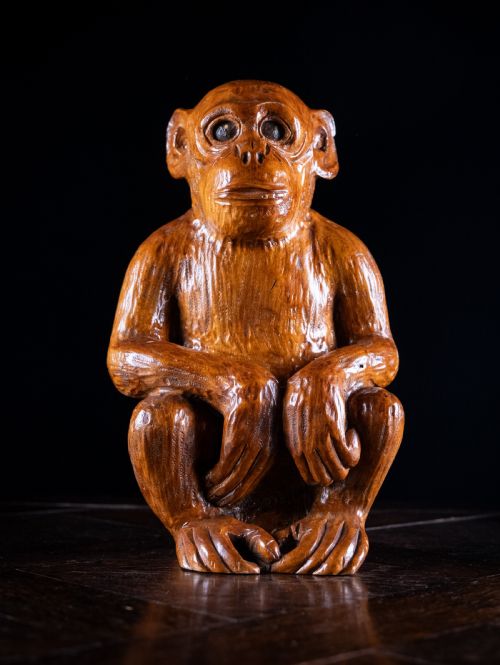
Domestic carvings, including rootwood scholars and miniature animal groups, were intended for scholar's desks and interior display spaces with a focus on intimate detail and natural wood grain.
What is root wood and why is it used?
Root wood consists of the underground growth of a tree, characterised by irregular knots, twists, and hollows formed as the root navigated rocks and soil. Chinese carvers utilised these ready-made organic shapes to suggest mountains, dragons, or the garments of hermits.
This approach combined the natural artistry of the tree with human craftsmanship, creating singular sculptures where no two pieces share the same contour.