





Late 19th Century Chinese Figure
These late 19th century chinese figure examples bring carved soapstone, glazed pottery, and hardwood craftsmanship into your home with enduring decorative presence.
Late 19th Century Chinese Figure
When you search for a late 19th century chinese figure, you encounter carved deities, animals, and human forms produced during the Qing dynasty and late export periods. The pieces on this page span sculptures, snuff bottles, and decorative figures created from diverse traditional materials.
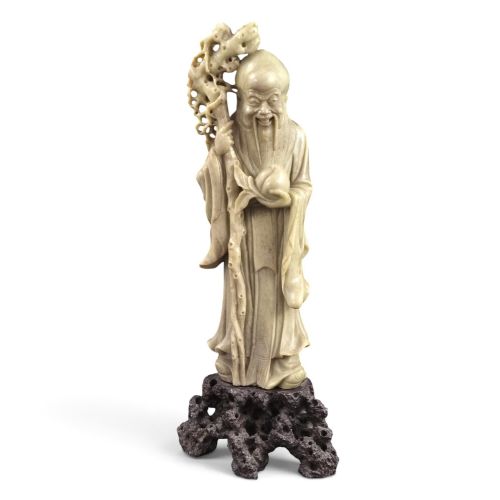
You are most likely to meet ceramic vessels, carved stone sculptures, and wooden animal figures reflecting the sculptural traditions of late imperial China. These objects range from mythological figures like Shoulao and Hotei to carved elephants and lions intended for display.
The aesthetic bridges late Qing dynasty sensibilities with items made for foreign export, showing distinct regional variations in modelling and surface treatment. Each piece captures the artisan focus on symbolic representation and narrative detail typical of the era.
Materials and Construction Techniques
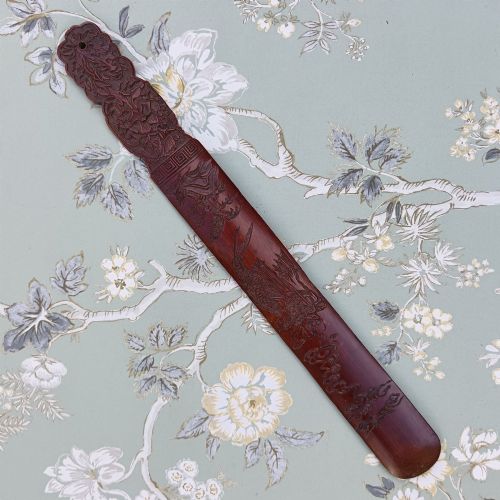
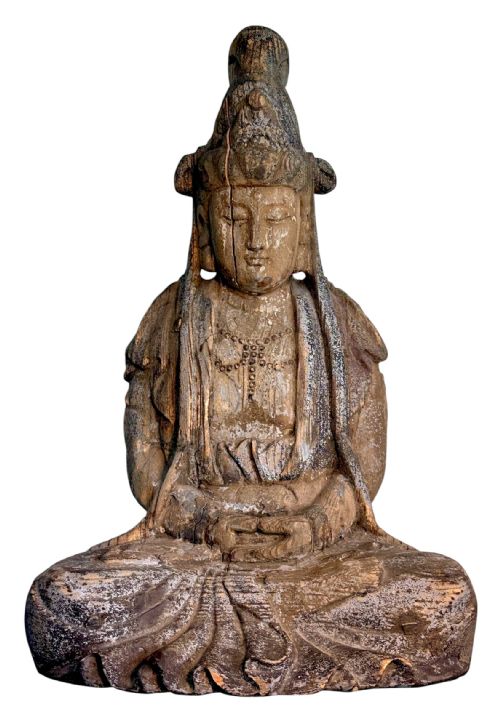
Carvers shaped soft soapstone, dense hardwoods, and red coral using hand chisels and knives to achieve intricate surface textures and flowing drapery. Wood elements often incorporate separate stands or inlaid sections of contrasting material.
Ceramic figures utilise stoneware and porcelain bodies finished with coloured glazes, including famille rose enamels and monochrome yellow glazes. Shiwan pottery pieces display characteristic thick, pooling glaze effects fired at high temperatures.
Late 19th Century Chinese Figure Retail Price Guide 2026
Typical asking prices for late 19th century chinese figure among the pieces listed under this phrase on Sellingantiques today, from the lower quarter to the upper quarter. They describe what is for sale here now, not the wider market.
The listings on this page span porcelain, stoneware, soapstone, brass, enamel, and hardwood across the 19th century.
Judging Quality and Execution
In glazed ceramics, the brilliance and evenness of the famille rose palette or the richness of the Shiwan glaze determine the visual impact. Superior pieces maintain crisp incision beneath the glaze layers, ensuring that decorative motifs remain distinct and legible.
The Late 19th Century Chinese Figure Glossary
- Famille rose
- A major palette of Chinese ceramic enamels introduced in the Qing dynasty, dominated by opaque pink or rose colours. It allowed for subtle tonal gradations in painted figures and floral motifs.
- Shiwan
- A type of Chinese pottery produced in Guangdong province known for expressive figurative sculptures and heavy, dramatic glazes. Shiwan wares often feature unglazed faces contrasting with highly coloured robes.
- Shoulao
- The Taoist god of longevity, commonly depicted as an old man with a high forehead and a staff. He is a frequent subject in soapstone carvings and porcelain snuff bottles.
- Soapstone
- A relative soft metamorphic rock consisting largely of talc, easily carved with hand tools. It takes a smooth polish and appears frequently in Chinese decorative figures.
- Qing dynasty
- The final imperial dynasty of China, ruling from 1644 until 1912. Objects from the late nineteenth century fall into the declining decades of this era.
Late 19th Century Chinese Figure: Frequently Asked Questions
What materials were used?
Makers employed soapstone, hardwood, porcelain, stoneware, and red coral to create these sculptural objects.
Each material required specific carving or ceramic firing techniques characteristic of late Qing production.
How do I identify Shoulao?
Shoulao is recognised by his prominent domed forehead, long beard, and attributes such as a peach or staff.
He represents longevity and appears frequently in both carved soapstone and painted porcelain formats.
Where were Shiwan figures made?
Shiwan pottery originated in the kilns of Guangdong province in southern China.
These pieces are noted for their heavy, vibrant glazes and expressive modelling of animals and human subjects.
How do I care for soapstone?
Soapstone is a relatively soft stone that benefits from gentle dusting with a dry cloth.
Avoid harsh chemical cleaners and excessive moisture to preserve the polished surface finish.