


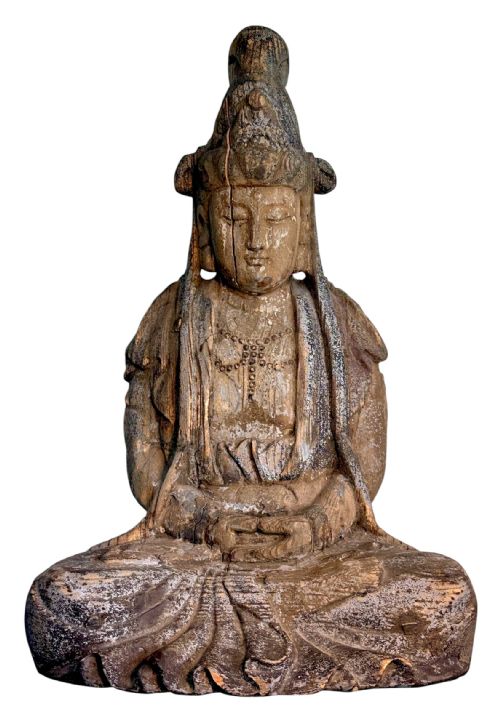

Asian Wooden Sculpture
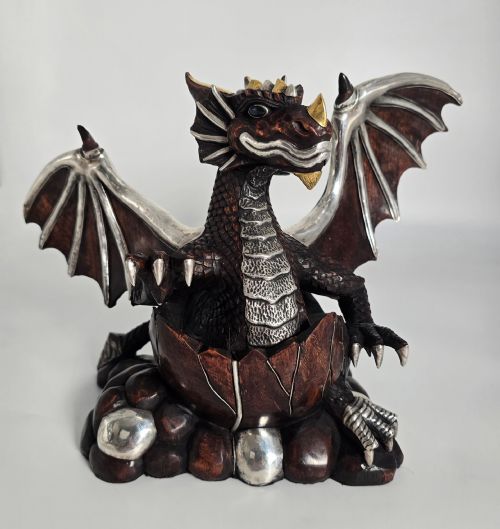
These asian wooden sculpture selections bring together figures, deities and animals carved across centuries in China, Japan, Burma and Southeast Asia.
Asian Wooden Sculpture
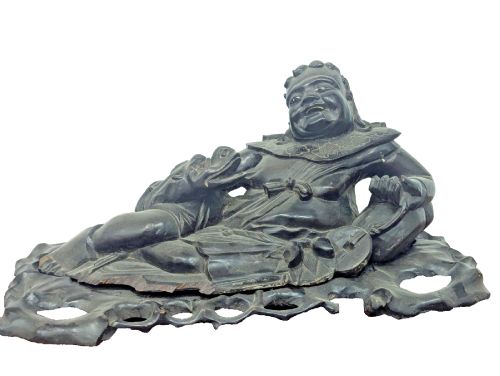
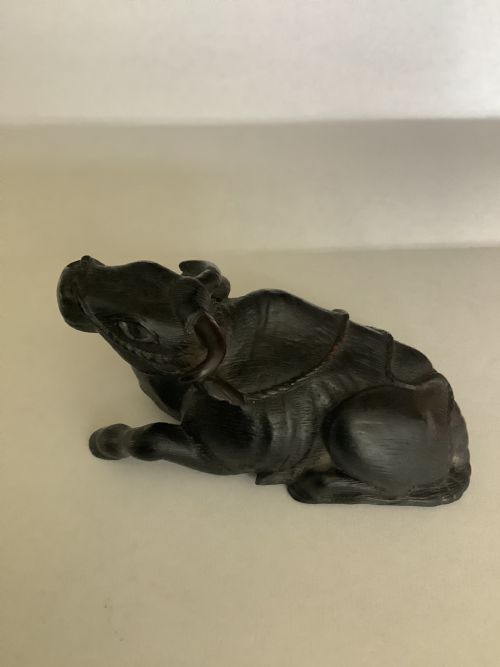
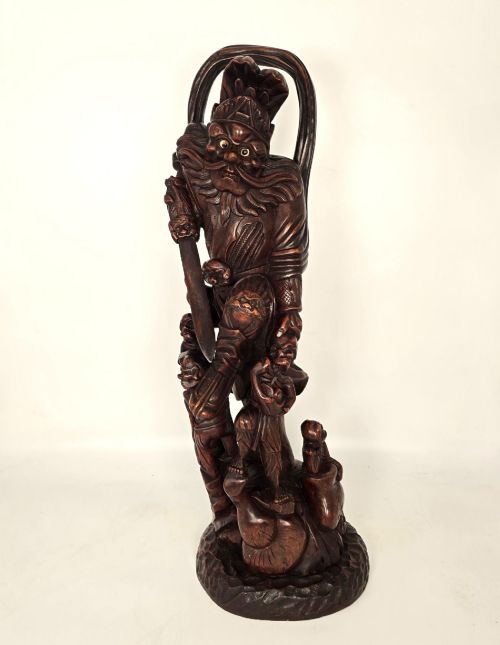
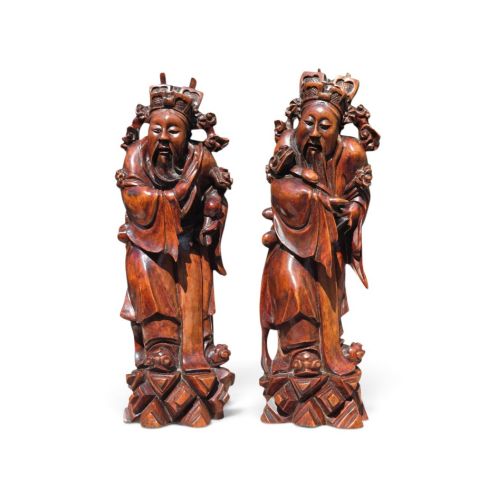
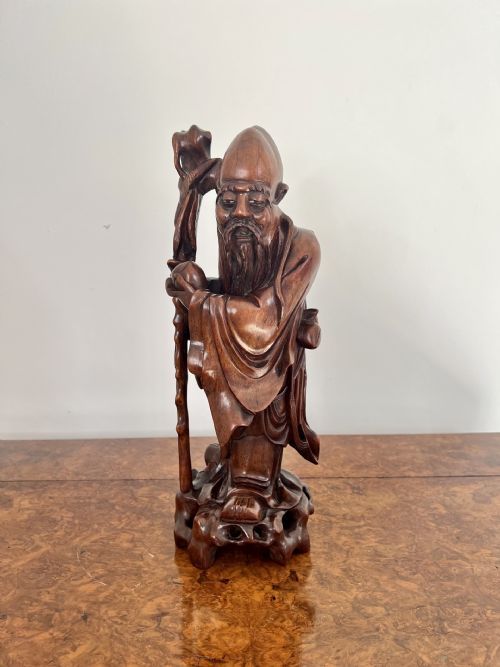
When you search for asian wooden sculpture, you encounter a diverse range of figures including temple guardians, Daoist immortals, Buddhas, animals and mythical beasts. These pieces span centuries of craftsmanship from various traditions across Asia, appearing as single statues, matched pairs and intricate handheld netsuke.
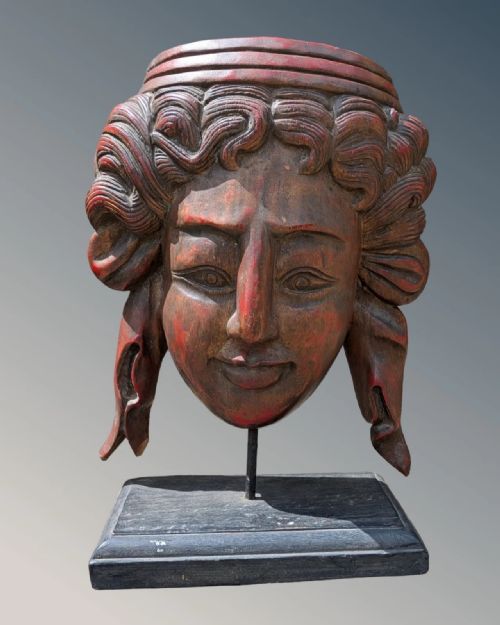
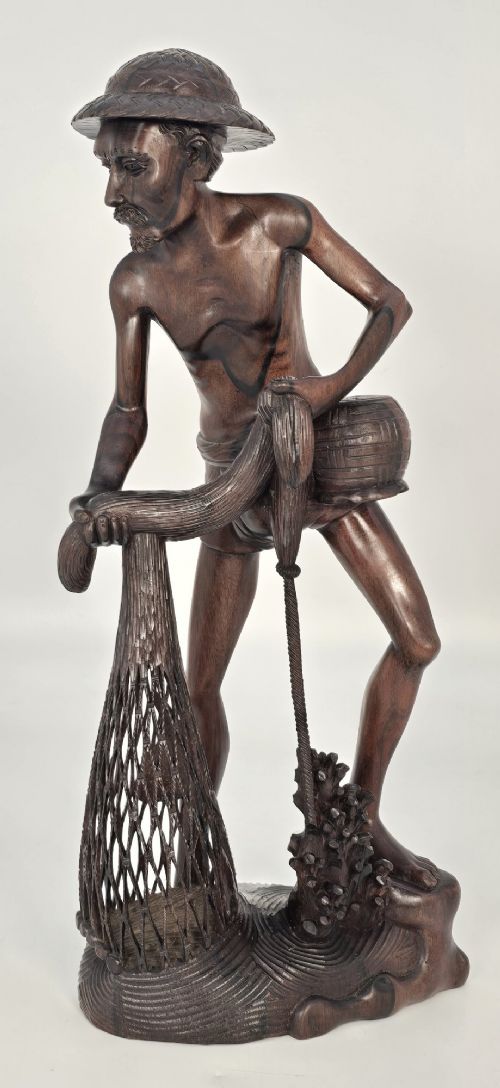
The selections on this page are heavily represented by Chinese hardwood and boxwood carvings, alongside Japanese Meiji period okimono and Burmese gilt wood figures. You will frequently find temple figures, cultural deities, and depictions of scholars, fishermen and dancers.
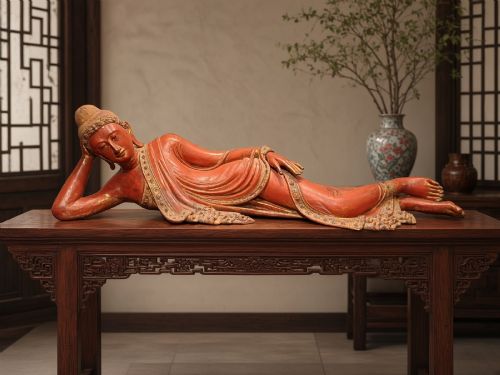
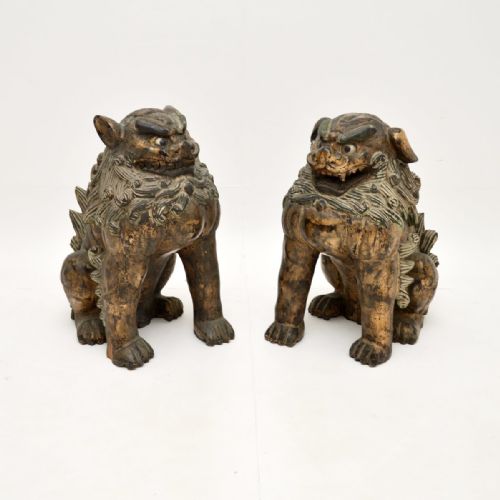
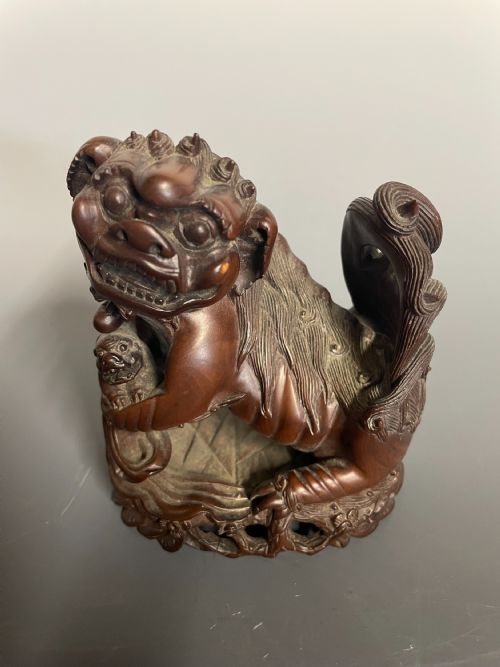
The physical forms vary from monumental guardian kings and reclining Buddhas to small boxwood netsuke and root wood carvings of dogs of fo. Each object reflects the specific religious, mythological or secular traditions of its region and period of origin.
How they were made
Carvers utilised dense regional timbers such as boxwood, hardwood, burr root wood and standard wood to achieve intricate detail in their subjects. Artisans selected specific grain structures to support deep relief carving and smooth anatomical contours.
Master carvers employed specialised chisels and knives to shape everything from miniature Japanese netsuke to monumental Chinese temple guardians. The technique combined structural joinery or solid block carving with careful surface smoothing and detailed incising.
The listings span the 17th to the 20th century, encompassing materials such as boxwood, root wood, lacquer and gold leaf across multiple Asian traditions.
What varies in quality
Material selection significantly influences the standing of a piece, with dense boxwood or figured root wood achieving sharper details than softer timbers. The survival of original polychrome paint, lacquer and gold leaf finishes also dictates the visual integrity of the sculpture.
Artistic attribution and signature marks elevate certain Japanese okimono and netsuke above anonymous workshop production. The balance of proportion, dynamism in dynamic poses like guardian kings or tigers, and the clarity of symbolic attributes separate standard decorative objects from masterworks.
The Asian Wooden Sculpture Glossary
- Okimono
- A Japanese freestanding ornamental carving intended for display on a household shelf or tokonoma alcove. These decorative figures frequently depict historical characters, deities, or animals from daily life.
- Foo Dog
- A mythical guardian lion depicted in pairs outside temples and palaces to ward off evil spirits. Chinese carvers frequently rendered these powerful beasts in hardwood, root wood and stone.
- Lokapala
- A celestial guardian king tasked with protecting one of the four cardinal directions in Buddhist cosmology. These monumental figures often wear elaborate armour and adopt dynamic stances.
- Giltwood
- Timber that has been decorated with a thin layer of gold leaf or gold powder applied to its surface. This technique was widely utilised on Buddhist statues to signify sacred holiness.
Asian Wooden Sculpture: Frequently Asked Questions
How do I identify a Meiji period carving?
Japanese carvings from the Meiji period often exhibit exceptionally fine detail in boxwood or hardwood, reflecting the opening of Japan to Western trade and a peak in artisan guilds. Look for signature plaques or finely articulated subjects like okimono and netsuke.
These pieces typically display naturalistic proportions and dynamic postures that distinguish them from earlier rigid ritual figures. The precision of the tool marks on the timber remains a key indicator of this era's craftsmanship.
What is root wood carving?
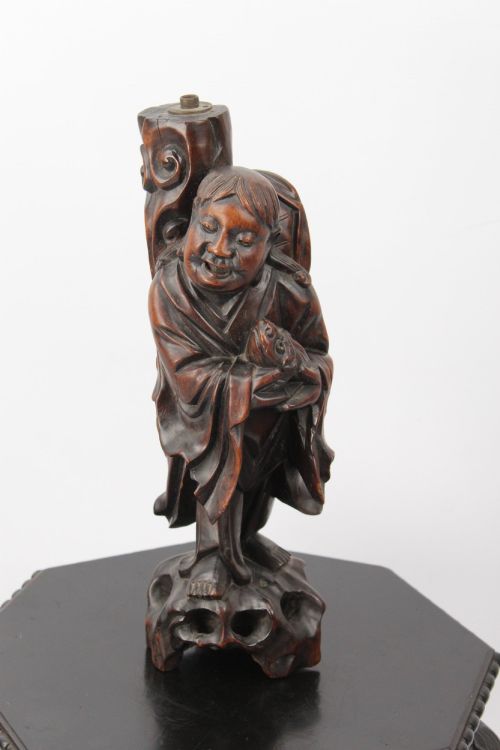
Root wood carving utilises the natural contours, twists and burls of tree roots to suggest the forms of animals, scholars or mythical figures. Artisans work with the organic shape of the wood rather than imposing a strict geometric block upon the material.
This technique results in highly individual sculptures where no two pieces share the same silhouette. The dense grain of burr and root timber highlights natural imperfections as part of the artistic composition.
Where were temple figures placed?
Large wooden temple figures, such as guardian kings and Buddhas, were positioned within religious sanctuaries to offer protection and inspire reverence. They stood near altars or entryways to delineate sacred space.
In domestic settings, smaller iterations of deities and immortals found homes in altars or scholarly studios. Their placement was determined by cultural traditions surrounding luck, protection and wisdom.
How should I care for antique wood?
Antique wooden sculptures require stable environmental conditions away from direct sunlight and rapid humidity fluctuations to prevent splitting or warping. Dusting should be performed gently with a dry, soft brush.
Avoid applying modern furniture polishes or oils, as these can damage historical finishes like lacquer, polychrome paint or gold leaf. Allowing the timber to breathe preserves the integrity of the original surface.