
Antique Chinese Statues
These antique chinese statues bring centuries of devotion, mythology and craftsmanship into your home through carved wood, cast bronze and glazed pottery.
Antique Chinese Statues
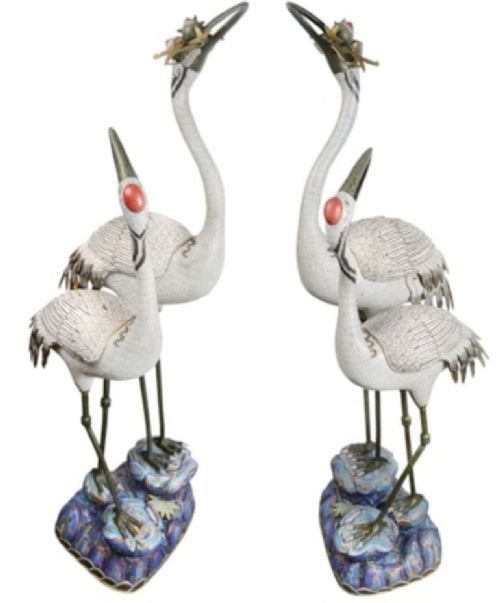
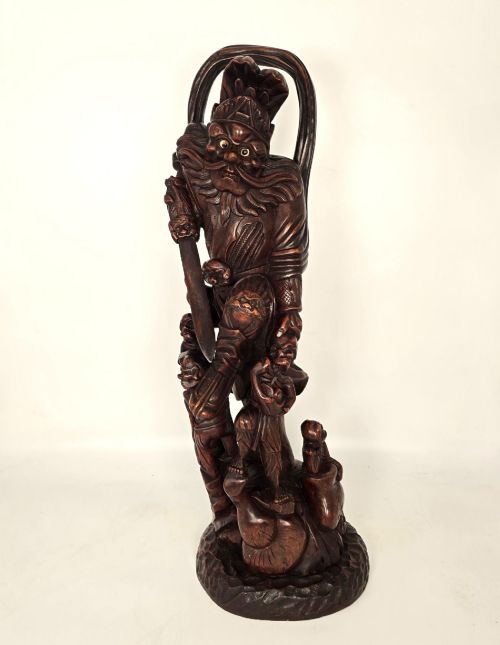
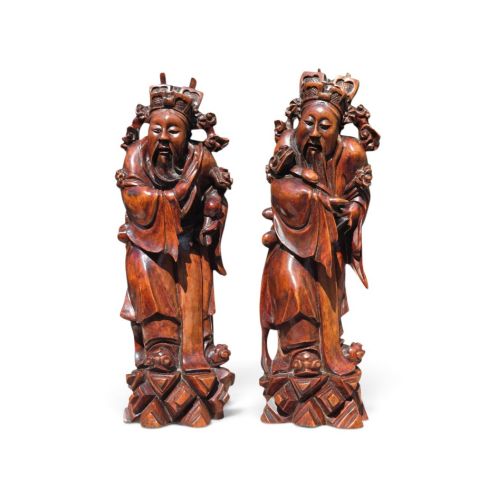
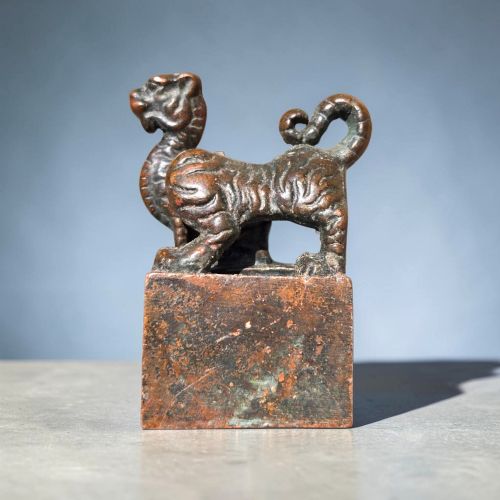
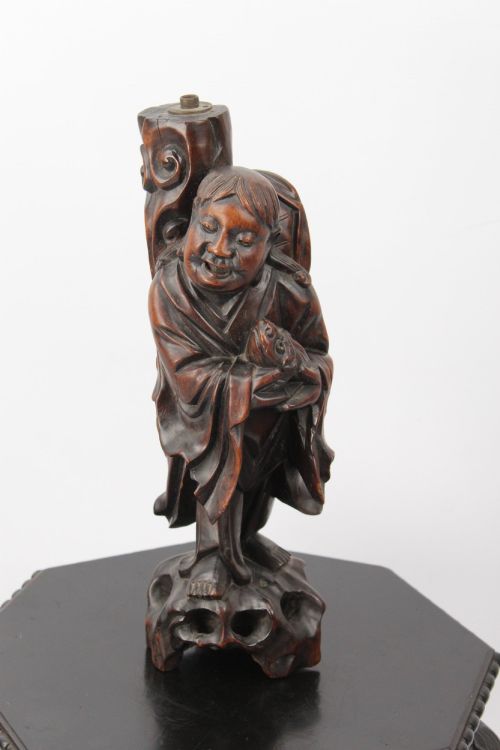
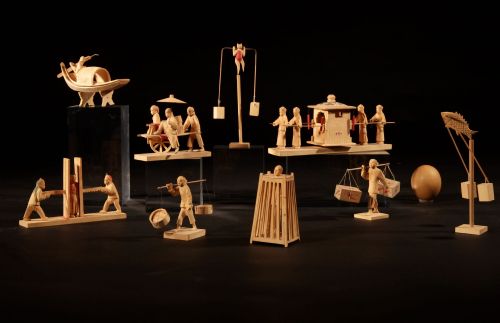
When you search for antique chinese statues, you encounter figures carved from dense hardwoods, cast in heavy bronze and shaped from pottery across numerous dynasties. The selection ranges from small desk bronzes of mythical beasts and scholars' seals to monumental pairs of Daoist immortals and temple guardians.
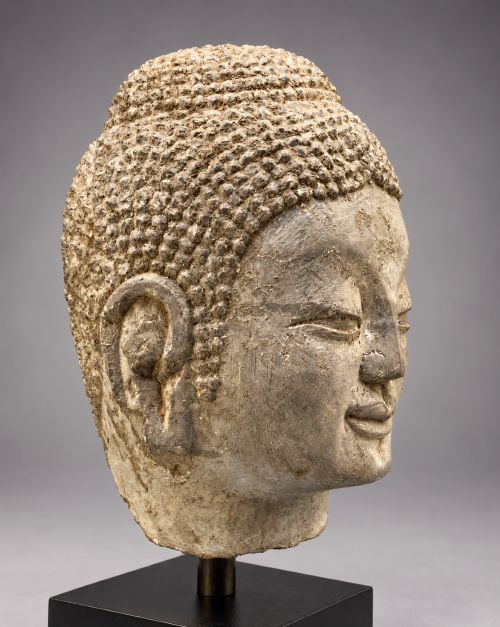
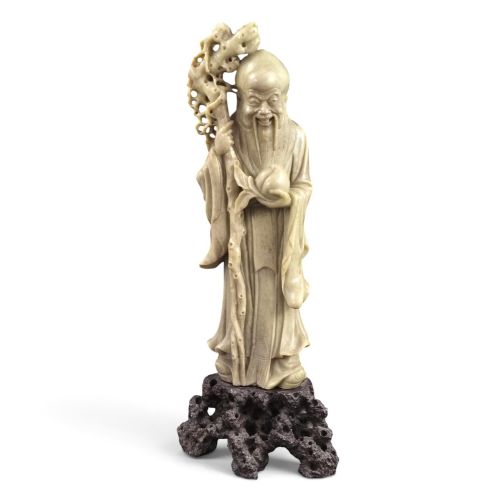
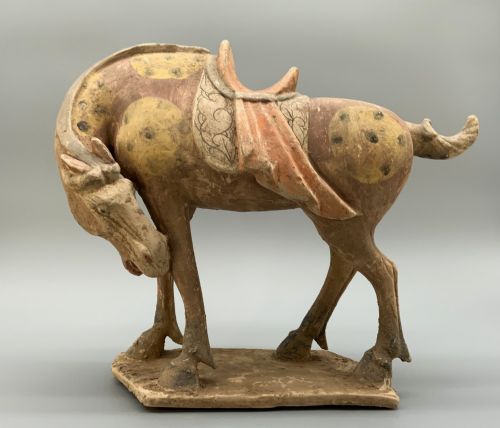
You are most likely to meet 19th-century and early 20th-century carvings of deities, animals and figures, alongside pieces referencing earlier periods such as the Ming and Tang dynasties. These span diverse forms including soapstone immortals, porcelain Buddhas and hardwood animals.
Materials and construction
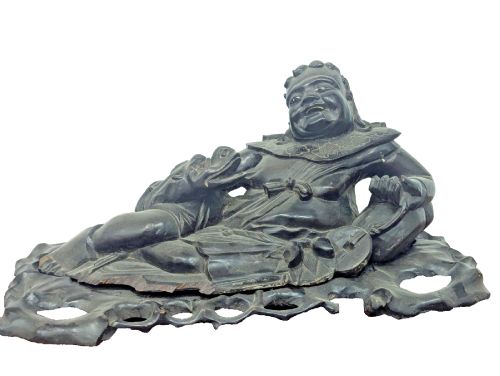
Makers shaped these pieces using organic materials like boxwood, hardwood and root wood, often employing deep relief carving to define robes, hair and facial expressions. Gilt, lacquer and polychrome paint frequently finish wooden and stone sculptures to add surface colour and detail.
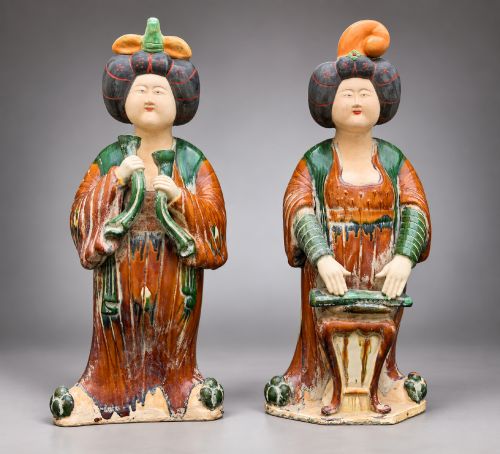
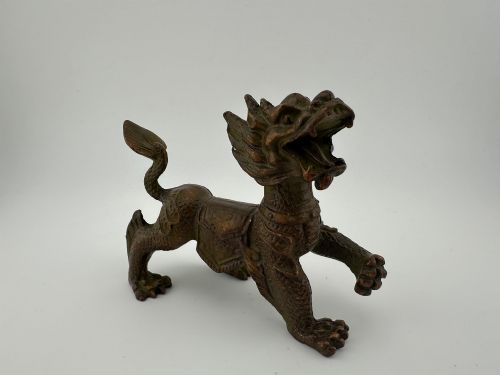
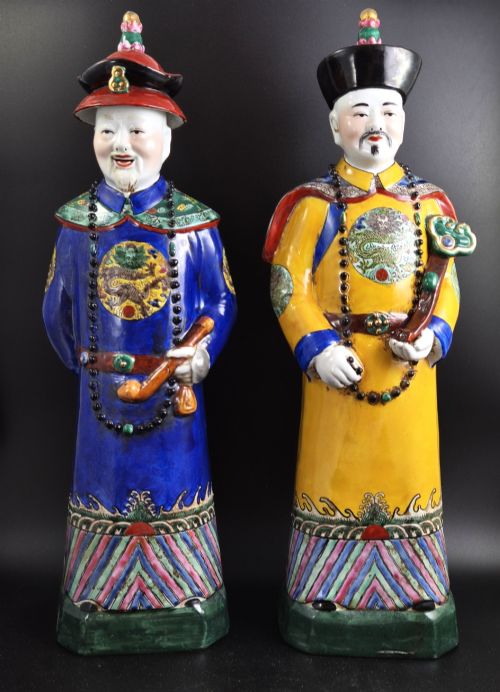
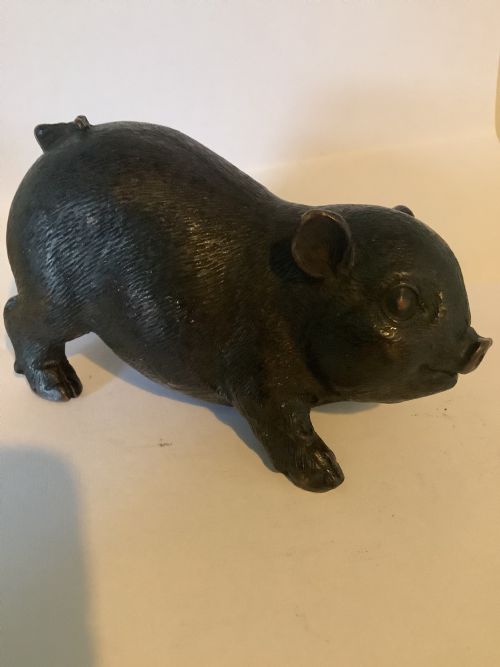
Metalworkers utilised bronze casting techniques to create mythical beasts, birds and figures, sometimes incorporating patination or inlaid marks. Potters shaped earthenware, terracotta and porcelain, applying sancai glazes, famille rose enamel or monochromatic colours before kiln firing.
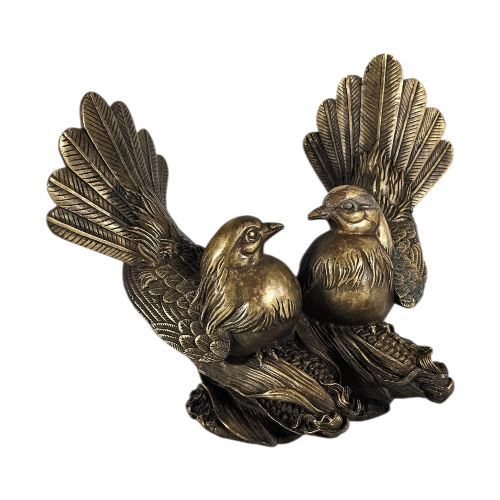
Among the menagerie of mythical beasts, a pair of heavy bronze pigeons sits quietly alongside fierce dragons and protective lions.
Assessing quality
The sophistication of the surface finish further separates works, seen in the smooth application of polychrome paint, the rich patination of bronze and the controlled run of sancai pottery glazes.
Zhu Mao Ji
The Antique Chinese Statues Glossary
- Sancai
- A type of ceramic glaze utilising three colours, characteristically amber, green and creamy white, famously applied to Tang dynasty pottery figures.
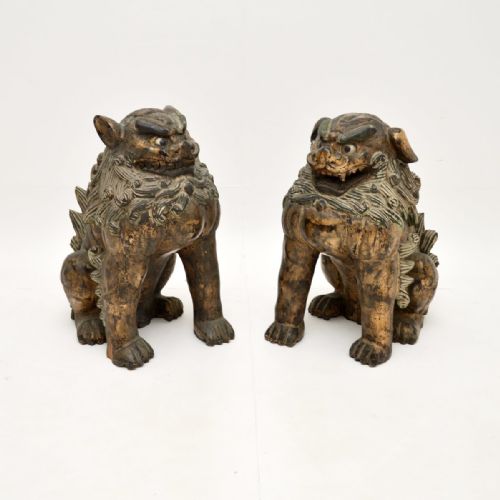
- Foo Dog
- A traditional architectural guardian lion, frequently carved in pairs from wood or stone to protect doorways and sacred spaces.
- Famille Rose
- A palette of opaque rose-pink enamel introduced to Chinese porcelain decoration during the Qing dynasty.
- Guanyin
- The bodhisattva of compassion, frequently depicted in ceramic, bronze or wood as a graceful figure holding sacred attributes.
- Pixiu
- A mythical winged mammalian creature from Chinese folklore, often cast in bronze as a protector and bringer of wealth.
Antique Chinese Statues: Frequently Asked Questions
What materials were antique chinese statues made from?
Makers used a diverse range of materials including hardwoods, boxwood, root wood, bronze, soapstone, jadeite, agate, marble, porcelain, terracotta and earthenware.
Surface treatments such as gilt lacquer, polychrome paint and lead-silicate glazes frequently complete these sculptures.
How can I tell the age of a chinese bronze statue?
Age is indicated by the style of the casting, the nature of the patination, wear patterns and any reign marks present on the metal.
Earlier pieces often display distinct metallurgical characteristics and stylistic markers tied to dynasties like the Ming or Qing.
Were these statues used for worship or decoration?
Many figures served devotional or protective purposes in homes and temples, depicting Buddhist deities, Daoist immortals and mythical guardians.
Others functioned as scholar's desk items, garden ornaments or decorative figural groups celebrating folklore and daily life.
What is a sancai glazed figure?
A sancai glazed figure is a ceramic piece coated in the traditional three-colour lead-fluxed glaze palette developed during the Tang dynasty.
Potters revived and referenced this distinct aesthetic across later centuries for funerary and decorative figures.