
Antique Dog of Foo
An antique dog of foo is a traditional guardian lion figure modelled in bronze, porcelain or carved wood to protect domestic and sacred spaces.
Antique Dog of Foo
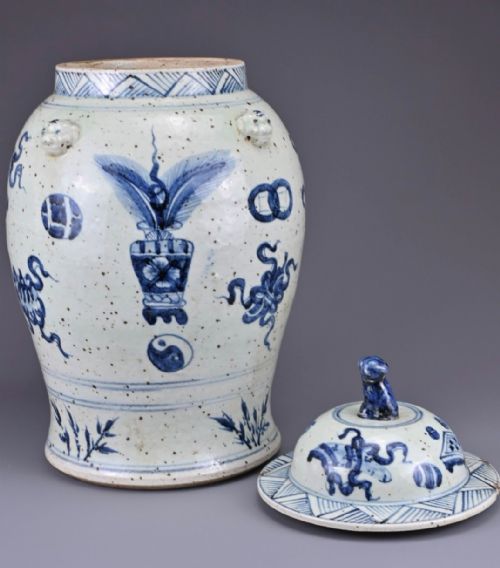
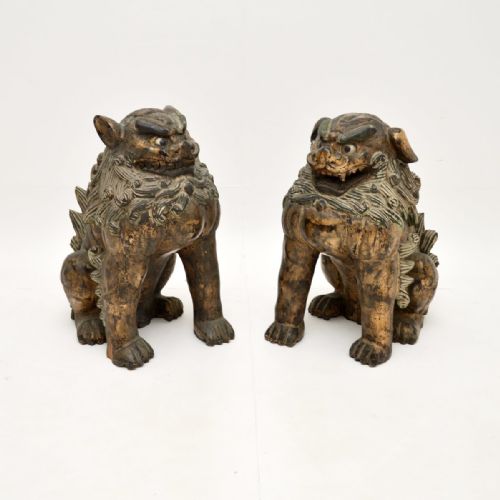
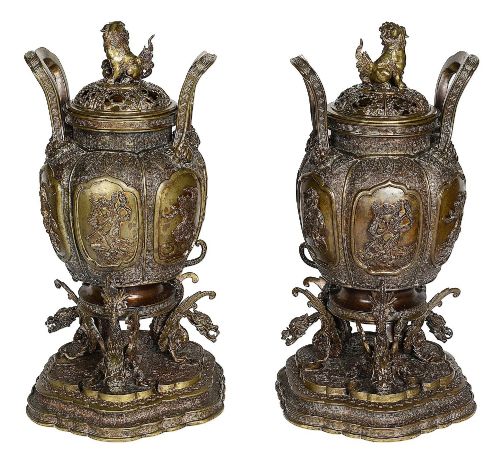
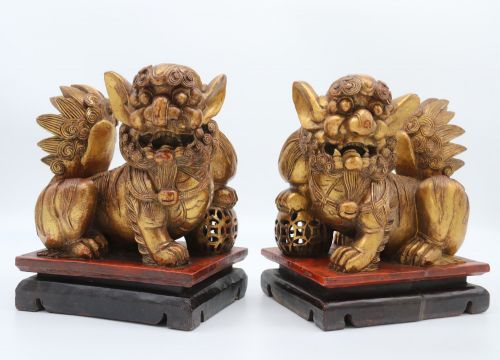
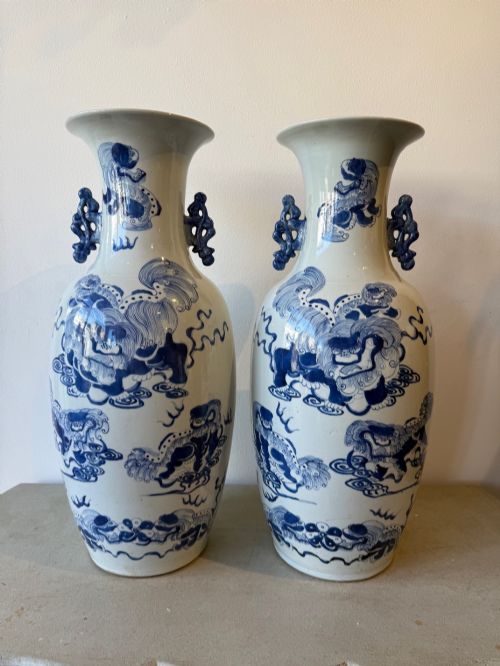
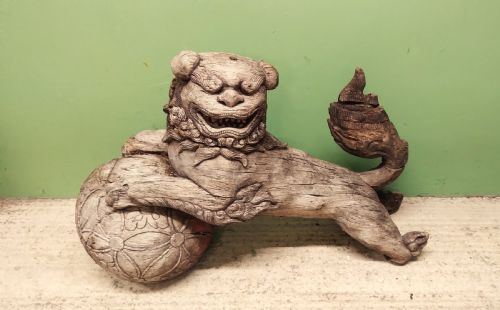
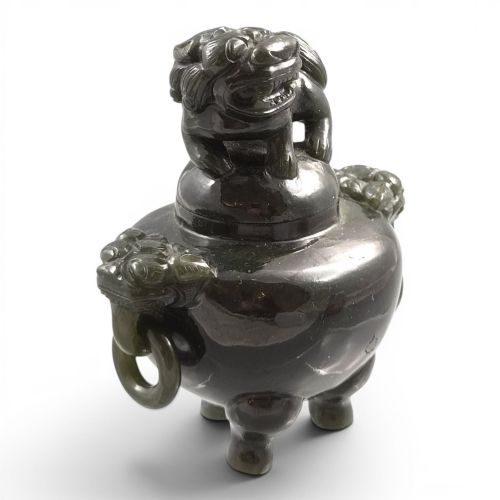
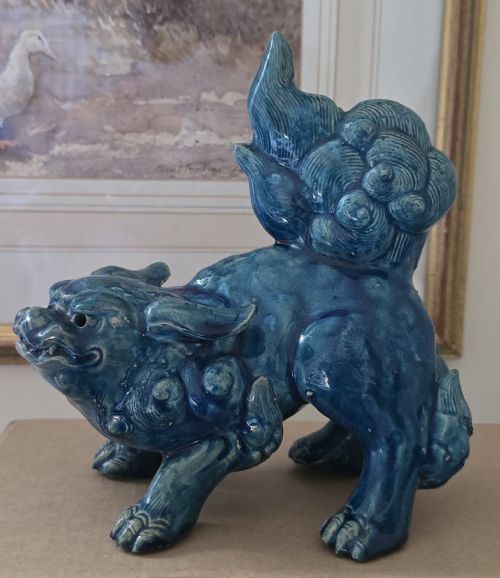
When you search for an antique dog of foo, you encounter guardian figures drawn from Chinese and Japanese traditions, spanning periods from the late seventeenth century through the early twentieth century. These pieces appear most frequently as porcelain figures, bronze temple lions, and carved wooden temple guards.
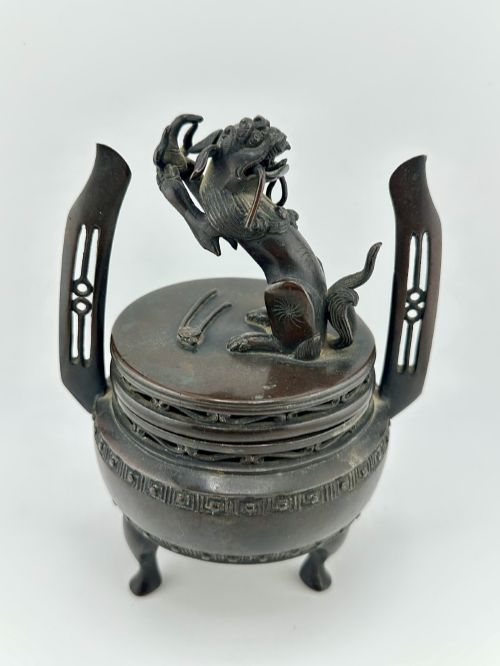
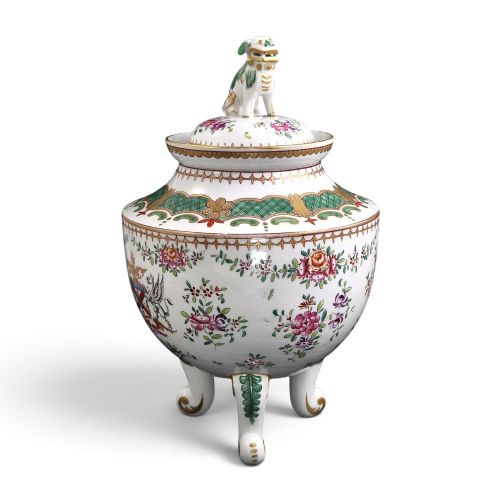
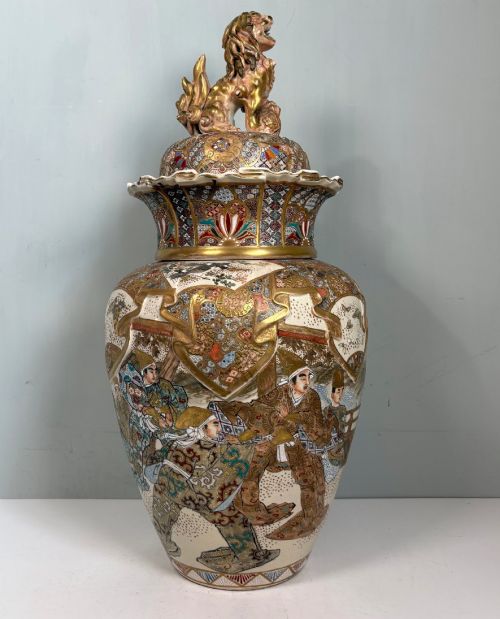
Makers shaped these guardian figures into diverse forms including freestanding statues, incense burner finials, table lamps, and bookends. The selection reflects both Chinese Qing Dynasty conventions and Japanese Meiji period interpretations.
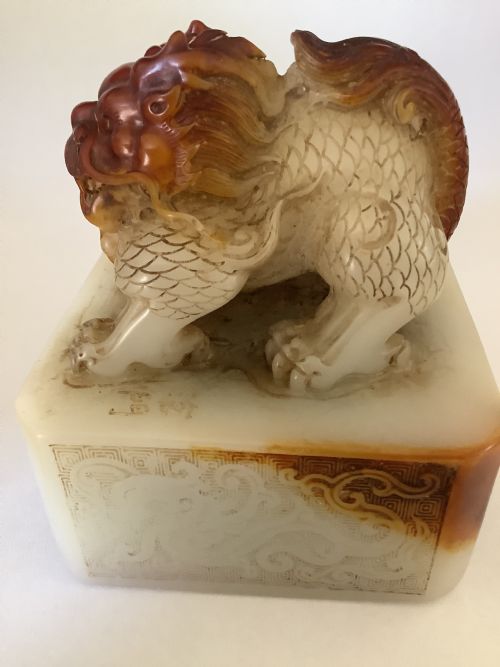
The materials vary across porcelain, bronze, carved wood, jade, and pottery, showing how different workshops adapted the traditional Buddhist lion motif to suit domestic display and ritual use.
How they were made
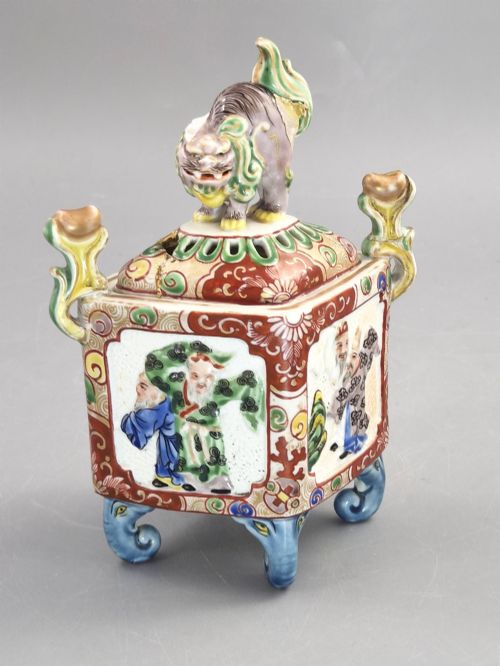
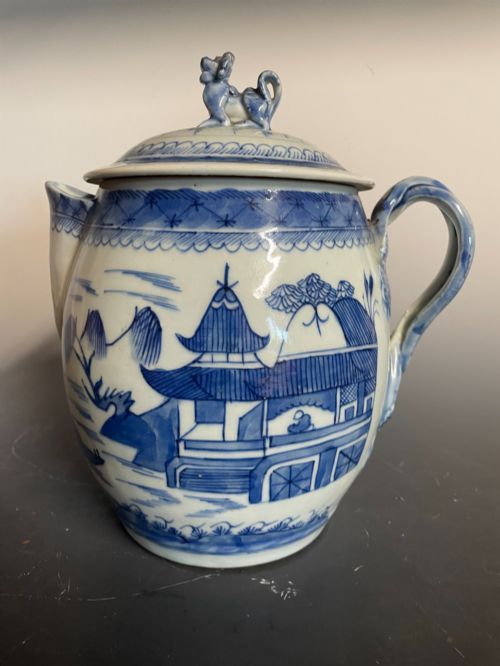
Potters shaped porcelain and ceramic figures using moulds or hand-building techniques before applying coloured glazes, enamel, or blue and white pigments, followed by kiln firing. Bronze and iron examples relied on metal casting methods, sometimes finished with gilt or gold leaf details.
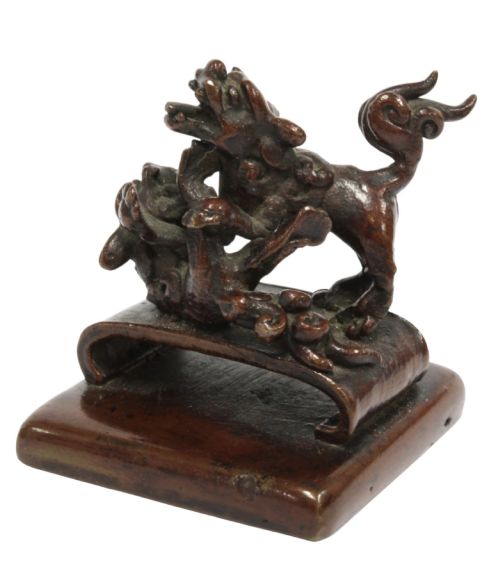
Carvers worked with boxwood, root wood, and other timbers to produce detailed temple guards and statues, employing chisels and gouges to define the muscular forms and curling manes of the guardian lions.
Listings feature items from the 17th century to the 20th century, encompassing materials such as porcelain, bronze, jade, and carved wood.
What varies in quality
The integrity of the material also distinguishes the range, where dense hardwoods, unblemished jade, or heavy cast bronze show greater longevity and material depth than standard ceramics or simple pottery.
Samson Paris·Unno Shomin
The Antique Dog of Foo Glossary
- Shishi
- A traditional Japanese term for a guardian lion or dog of foo, often depicted protecting sacred spaces. These figures frequently appear as ceramic figurines or bronze finials.
- Censer
- A vessel used for burning incense, commonly featuring a foo dog or qilin finial on the lid. Tripod variants rest on three feet, sometimes shaped like animal heads.
- Garniture
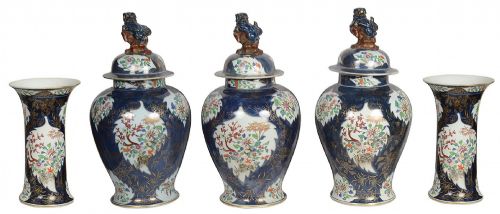
- A set of matching vases and jars designed for display on a mantelpiece or cabinet. These groupings often incorporate blue and white or enamelled porcelain pieces.
- Okimono
- A Japanese decorative object intended for display in an interior alcove or room. These include cast metal sculptures and figures.
- Qilin
- A mythical hooved creature in Chinese mythology, whose imagery occasionally appears alongside or as a finial upon ritual bronze vessels.
Antique Dog of Foo: Frequently Asked Questions
How were foo dogs used?
Historically, pairs of guardian lions stood at entrances to provide symbolic protection for buildings and their occupants. Smaller versions functioned as scholarly desk items, incense burner finials, or decorative ornaments.
In domestic settings, they served as display pieces that reflected traditional craftsmanship and cultural motifs.
How do I date an antique foo dog?
Dating relies on examining the material characteristics, manufacturing techniques, and stylistic markers associated with specific periods like the Qing Dynasty or Meiji period. Glaze formulations, bronze patina, and wood ageing offer clues to the era of production.
Comparing the piece with documented examples from similar workshops helps narrow the timeframe of creation.
Where should I place a foo dog?
These figures suit display on mantelpieces, bookshelves, or dedicated tables where their detailed carving or glaze can be appreciated. Traditionally displayed in pairs, they balance interior spaces when placed symmetrically.
Stable surfaces away from direct sunlight help preserve fragile wooden or enamelled ceramic finishes.