

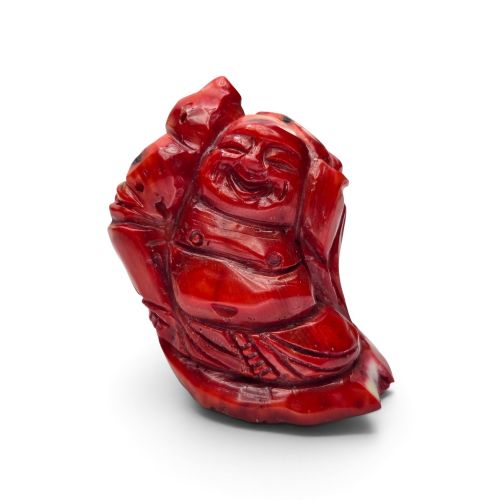
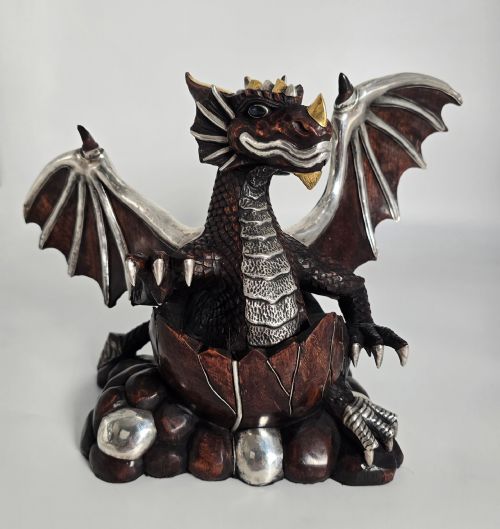

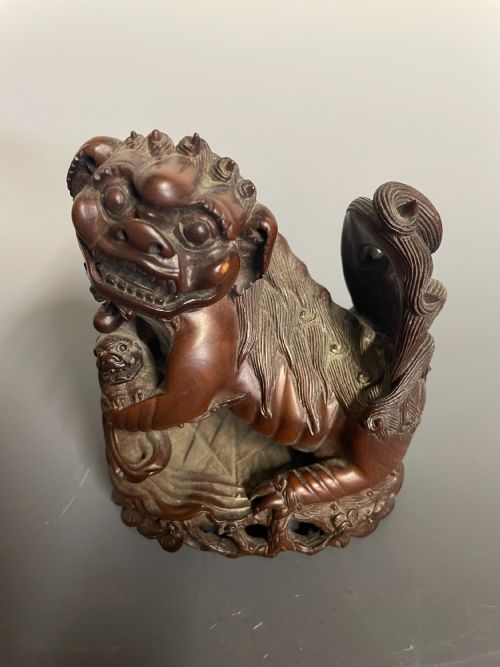
Chinese Carved Figurine
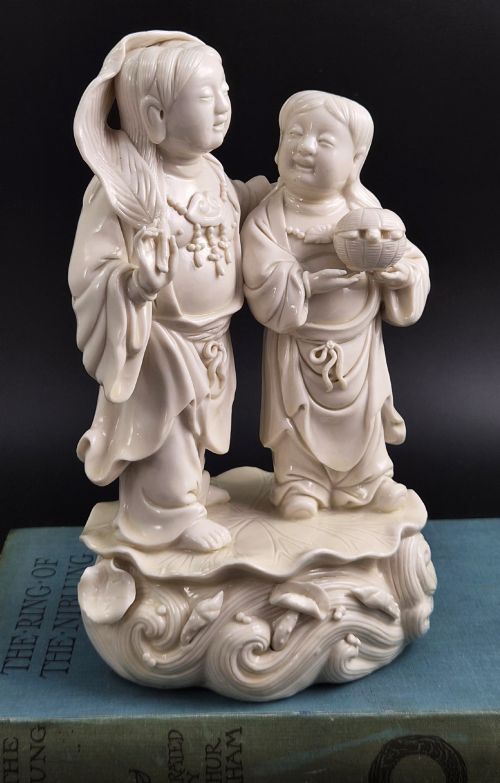
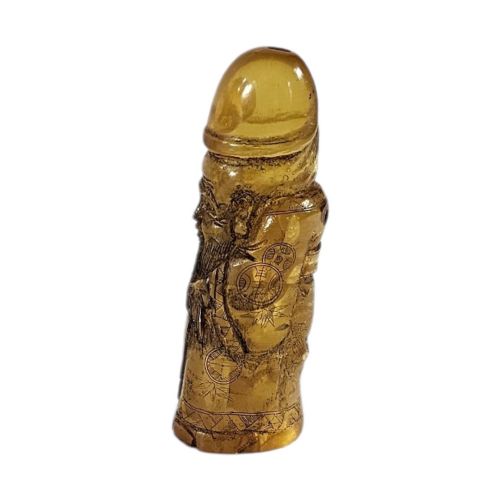
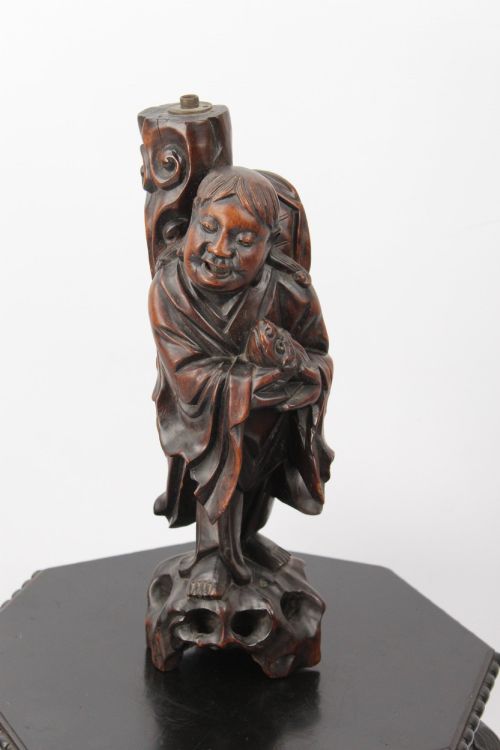
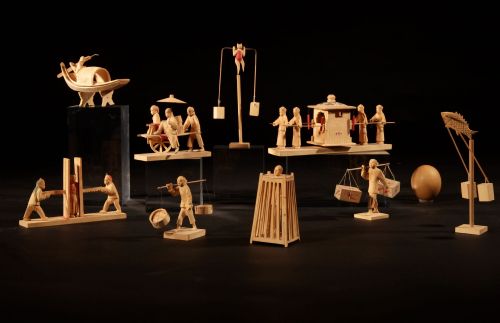
A Chinese carved figurine brings centuries of meticulous handiwork into a room, capturing deities, animals and daily scenes in stone and timber.
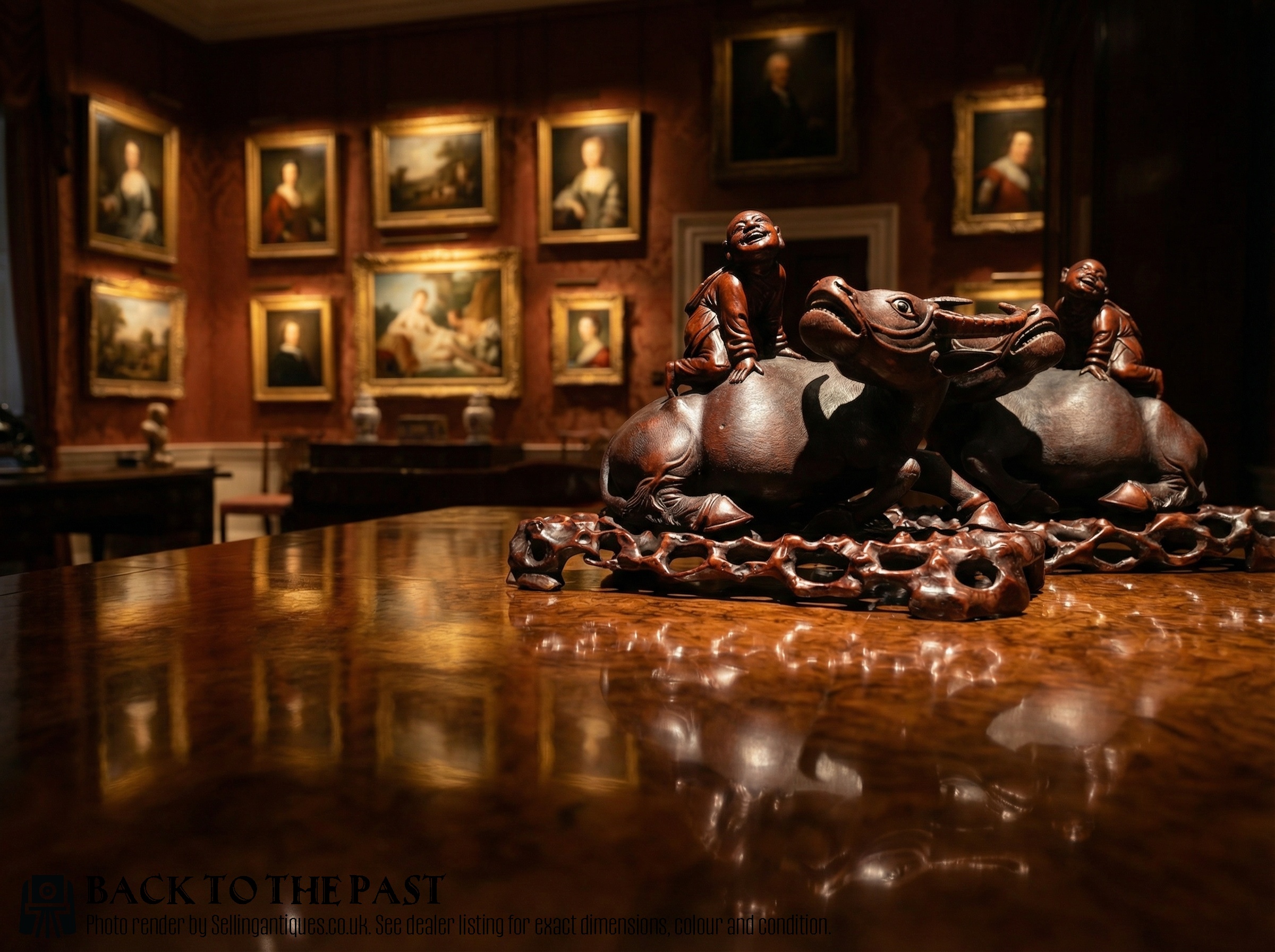
Chinese Carved Figurine
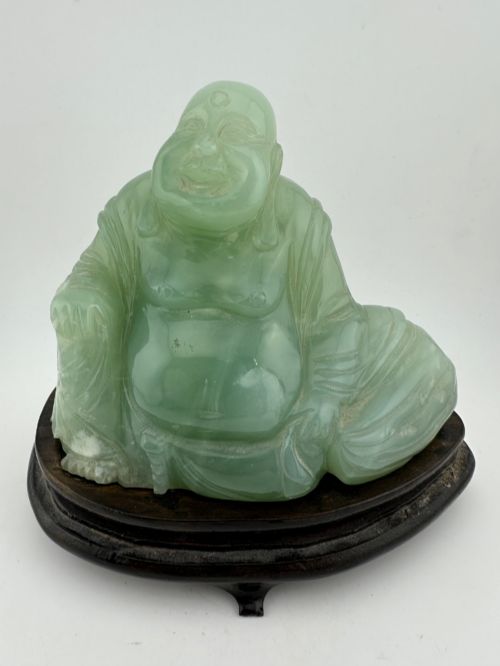
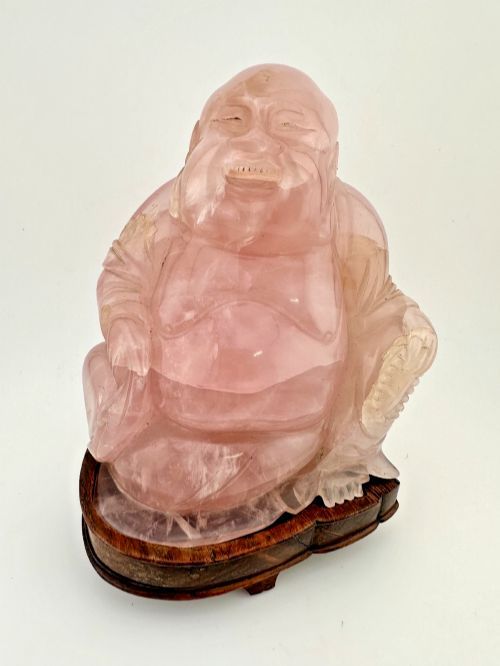
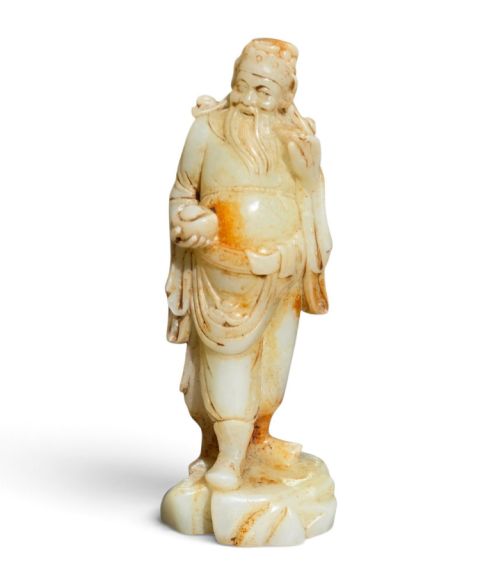
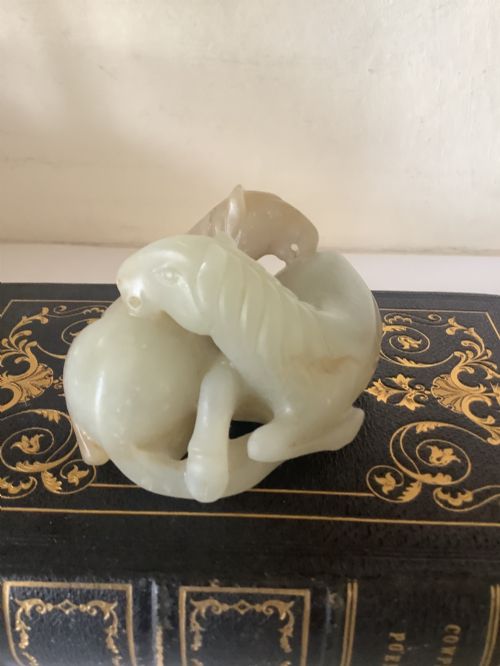
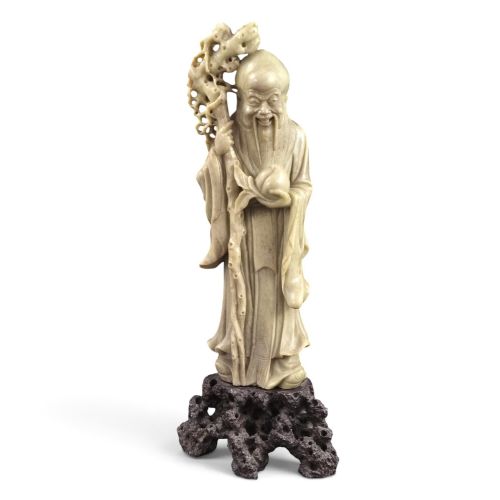
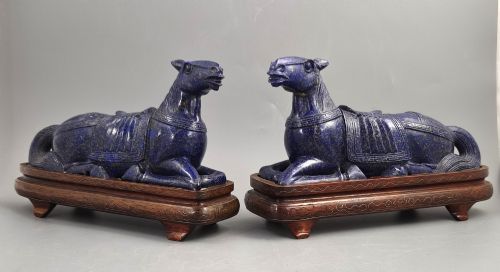
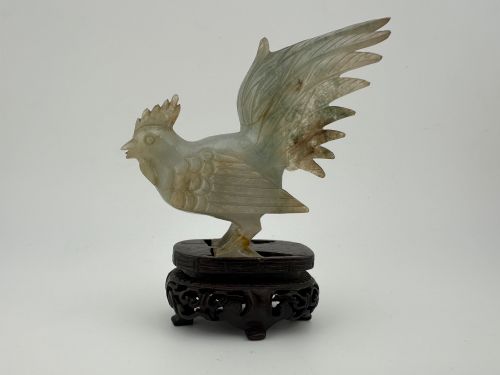
A Chinese carved figurine spans figures of deities such as Shoulao and Buddha, alongside animals like water buffaloes and horses. These works appear in materials ranging from dense root wood to pale soapstone and hardstone.
Most examples found here date from the nineteenth century through the early twentieth century. Common subjects include fishermen, sages and mythical creatures rendered in traditional styles.
Materials and carving techniques
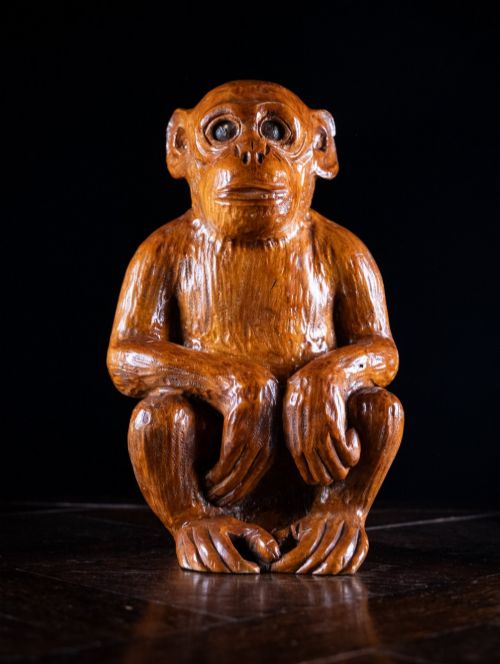
Carvers utilised native timbers including boxwood, hardwood, and gnarled root wood to shape organic forms. Grain patterns are often incorporated directly into the anatomy of figures and animals.
Mineral carvers worked with soapstone, jade, agate and nephrite using abrasive grinding and polishing methods. Softer stones allowed for deep undercut drapery, while hardstones demanded patient abrasion.
Chinese Carved Figurine Retail Price Guide 2026
Typical asking prices for chinese carved figurine among the pieces listed under this phrase on Sellingantiques today, from the lower quarter to the upper quarter. They describe what is for sale here now, not the wider market.
Object forms on this page range from large temple deities and desk seals down to miniature fish sculptures and pendants.
Evaluating sculptural execution
Superior execution shows in the crispness of facial expressions and the natural drape of garments. Lesser examples rely on repetitive tool marks and stiff postures.
The choice of raw material dictates potential refinement, as fine-grained hardwoods and translucent jade permit subtle detailing that opaque stones obscure.
The Chinese Carved Figurine Glossary
- Soapstone
- A talc-schist mineral easily worked with hand tools. Its softness permitted Chinese carvers to produce intricate figures with elaborate piercing.
- Root wood
- Timber sourced from the underground mass of a tree. Carvers exploited its natural gnarled twists to suggest clothing folds or landscape elements.
- Nephrite
- One of two distinct mineral species recognised as jade. It yields a tough, fibrous structure that resists weathering and takes a muted polish.
- Shoulao
- The Taoist god of longevity, frequently depicted with an elongated forehead and a peach. He is a common subject in carved figures.
- Patina
- The surface sheen developed through handling and age. A deep patina indicates long-term exposure and natural oxidation of the material.
Chinese Carved Figurine: Frequently Asked Questions
How do I date a Chinese carved figurine?
Dating relies on tool marks, material choice, and stylistic conventions associated with periods like the Qing Dynasty or Republic era. Nineteenth-century pieces often exhibit distinct hand-tool signatures and drier wood surfaces compared to later machinery-assisted work.
Examining the underside and mounting points provides further clues about age. Wear patterns on the base help separate older ritual or decorative objects from modern reproductions.
What subjects are most common?
Deities, immortals, and animals dominate the sculptural record. Figures such as Budai and Shoulao appear frequently, alongside horses, water buffaloes, and domestic scenes illustrating daily life.
Mythical beasts and auspicious ducks also feature regularly. Each subject carried specific symbolic meaning in traditional households.
Where were these figures displayed?
Historical carvings were placed on scholar's desks, household altars, and mantelpieces as objects of contemplation or good fortune. Smaller pendants and seals were kept close to the person.
Pair arrangements, such as Mandarin ducks or water buffaloes, were positioned symmetrically. They served both decorative functions and symbolic roles in domestic interiors.