
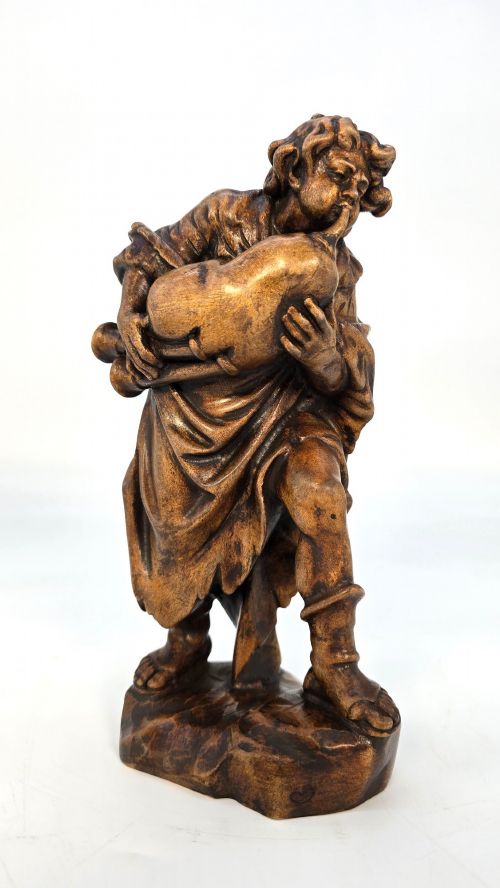

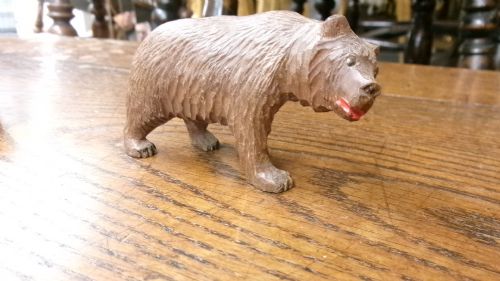
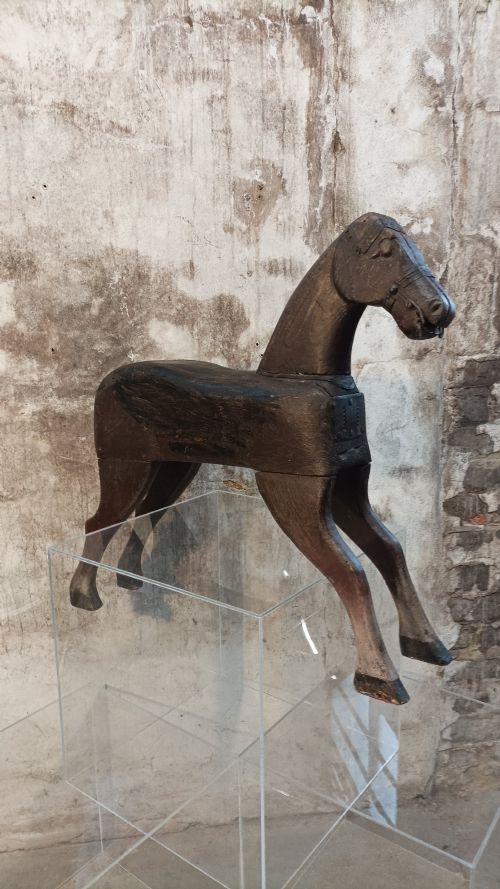
Brown Timber Statue
A brown timber statue brings the texture of carved walnut, oak and hardwood into a room with quiet presence.
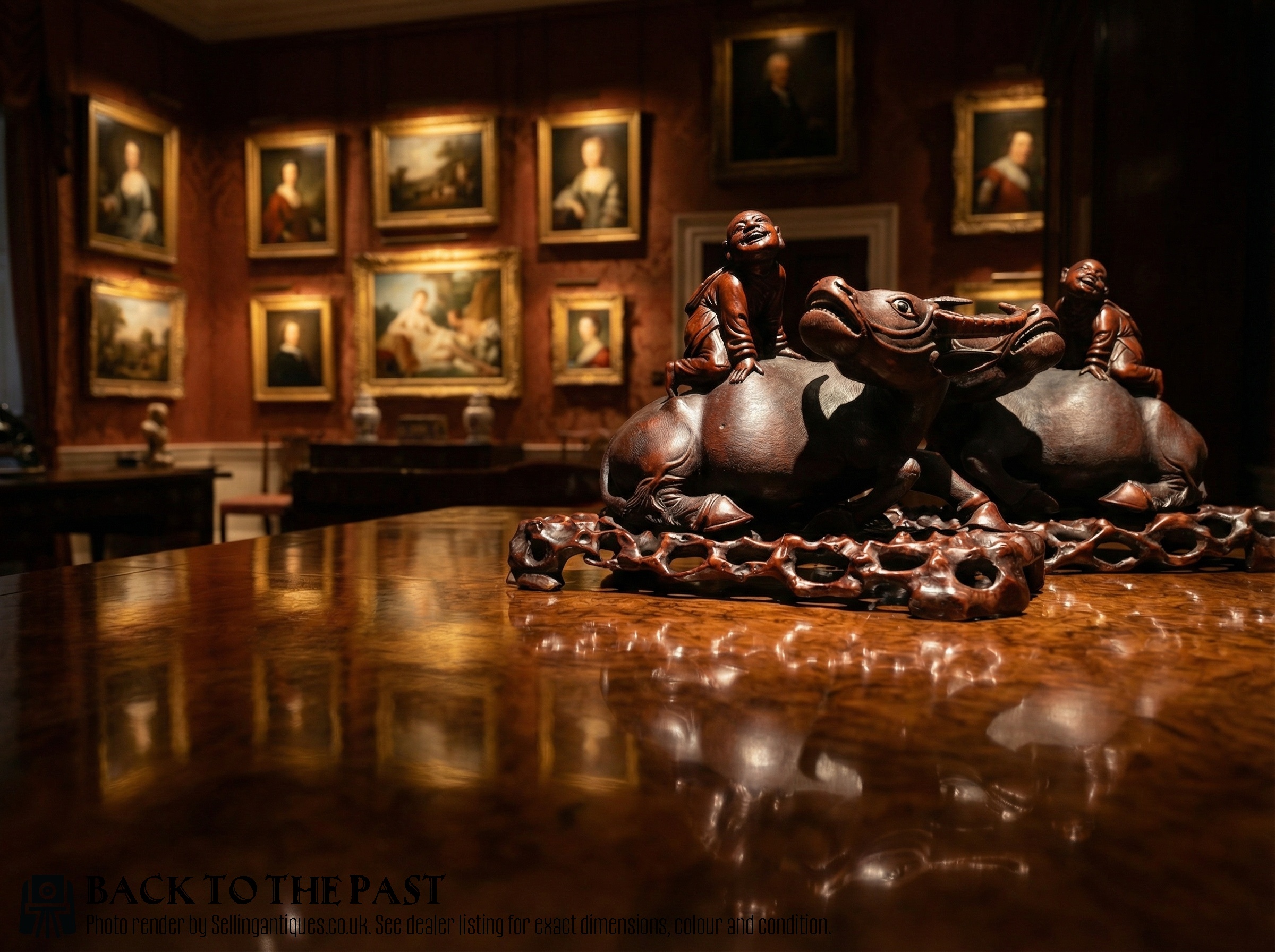
Brown Timber Statue
A brown timber statue encompasses a broad range of carved wooden sculptures, figures and decorative objects originating from European workshops, Asian dynasties and African communities. These pieces span the eighteenth, nineteenth and early twentieth centuries, reflecting diverse regional carving traditions and domestic subjects.
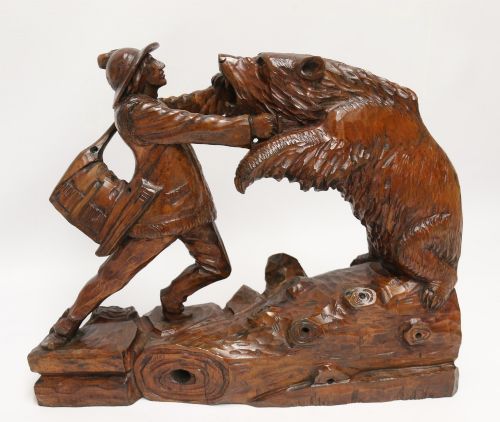
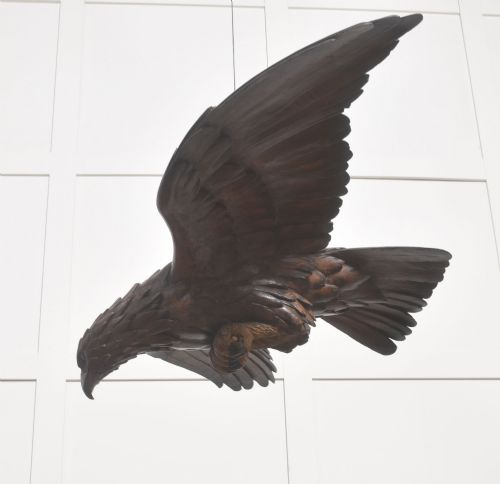
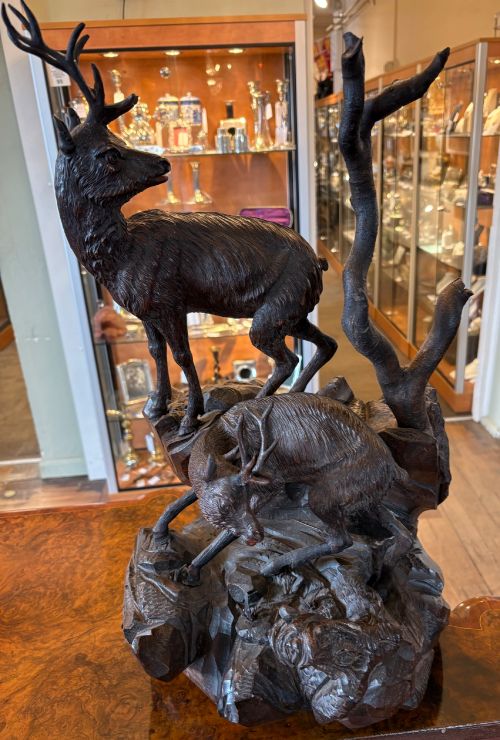
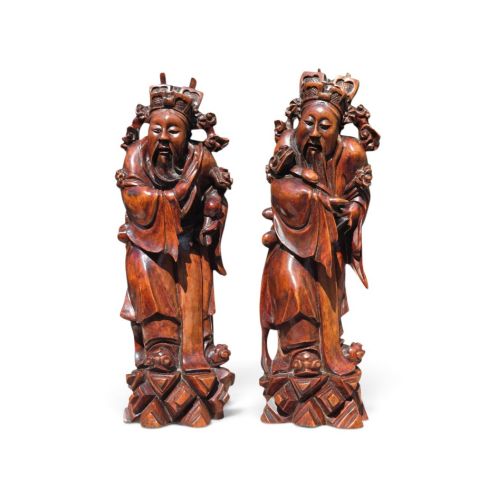
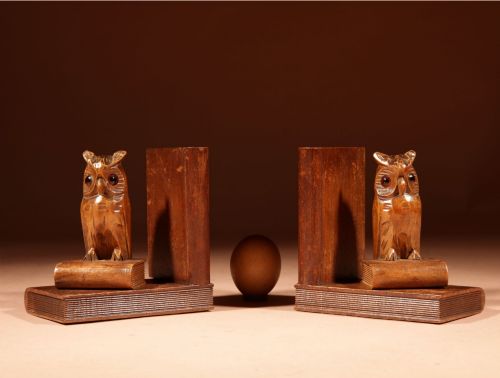
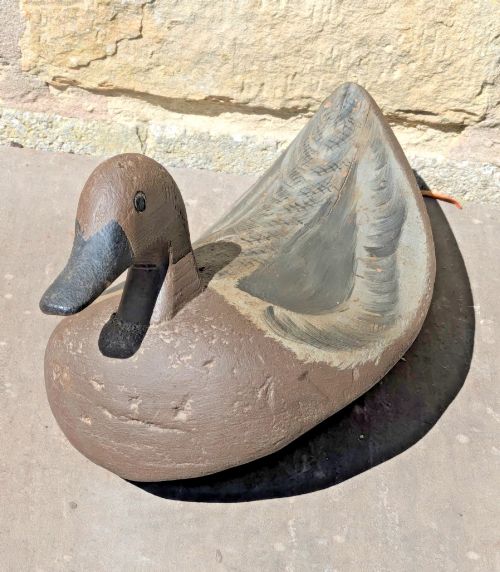
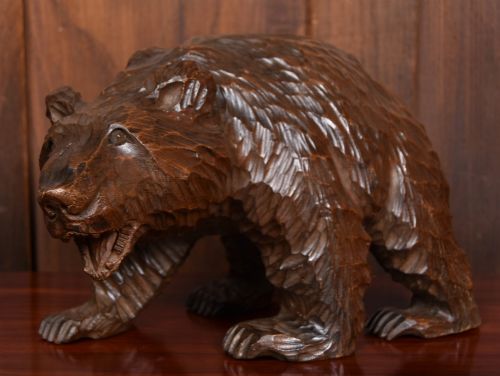
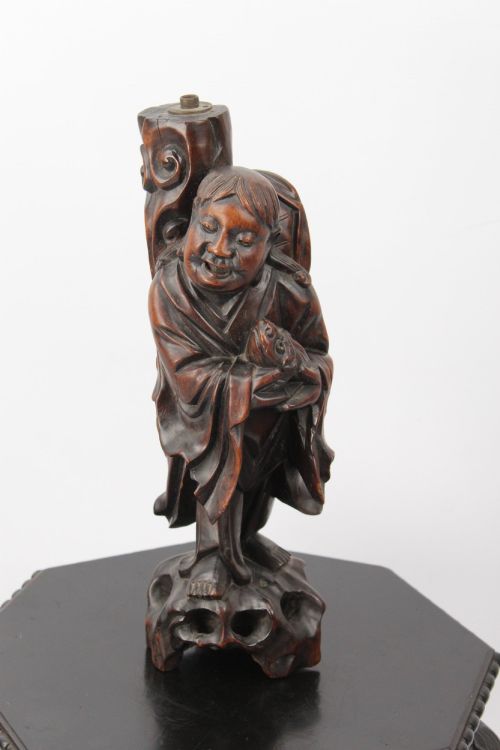
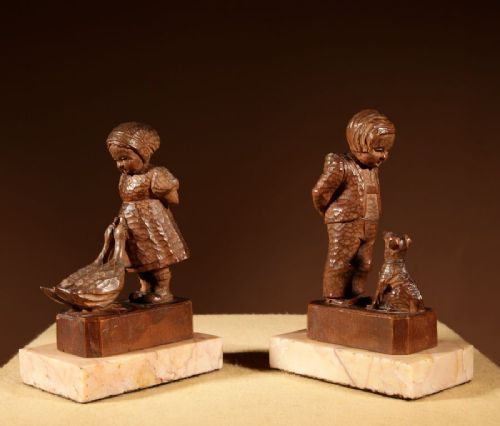
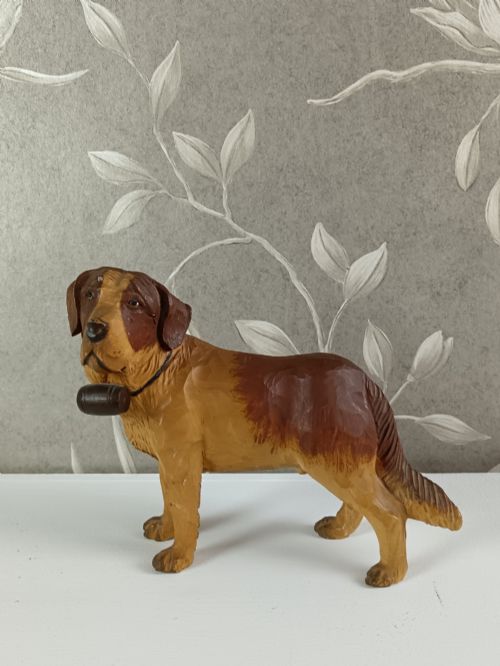
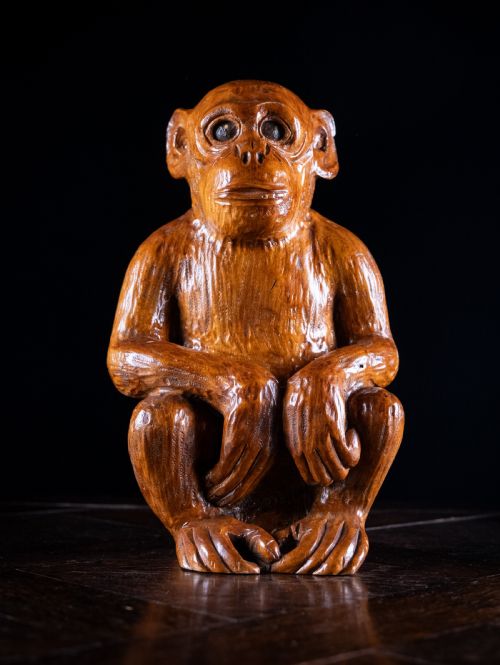
The most common examples encountered in this selection are Black Forest animal studies and human figures, alongside Chinese hardwood immortals and European folk art carvings. Pieces take the form of freestanding sculptures, bookends and architectural fragments rendered in solid timber.
Collectors seek these statues for their material warmth and the distinct regional styles that define them, whether the naturalism of Swiss animalier carving or the stylised forms of folk traditions.
Materials and carving techniques
Makers utilised available regional timbers, shaping walnut, limewood, oak, teak and dense exotic hardwoods with traditional gouges, chisels and knives. The natural grain and colour of the wood form the primary visual surface, sometimes enhanced with painted polychrome pigments or dark wax finishes.
Construction methods range from single-block carving to multi-part figure groups joined with hidden pegs, while surface textures vary from smooth, polished planes left by fine sanding to energetic tool marks left deliberately visible by the carver.
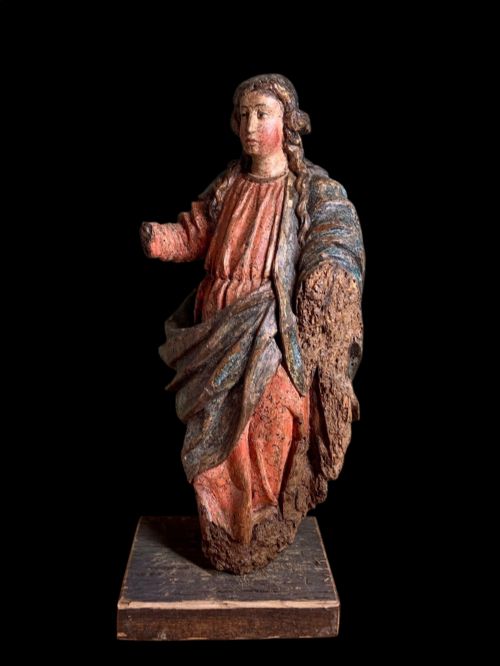
The listings span multiple centuries, ranging from pre-sixteenth century church figures to twentieth-century folk art and animal studies.
The indicators of sculptural merit
The choice of timber and the preservation of original surface patination significantly influence the standing of a statue, rewarding pieces that retain their crisp edge-work and deep, unblemished colour over centuries of handling.
Franz Keller·Hans Müller
The Brown Timber Statue Glossary
- Black Forest
- A style of wood carving originating from the Brienz region of Switzerland, famous for realistic depictions of bears, deer and woodland animals. These pieces typically utilise limewood or walnut.
- Polychrome
- Painted or decorated in several colours, often applied over a chalk or gesso ground on early religious statues. This technique adds vibrant surface detail to the underlying timber.
- Hardwood
- Timber derived from broad-leaved angiosperm trees, valued in sculpture for its density and fine grain. Examples include walnut, oak and various exotic Asian species.
- Folk Art
- Utilitarian or decorative objects created by self-taught or traditional artisans outside the formal academic tradition. These works prioritise direct expression and naive charm over strict proportion.
- Immortals
- Legendary figures in Chinese mythology and Daoist tradition frequently depicted in carved hardwood or stone. They symbolise spiritual attainment and longevity.
Brown Timber Statue: Frequently Asked Questions
How do I identify Black Forest carvings?
Black Forest carvings are typically rendered in walnut or limewood, featuring realistic woodland animals, forest scenes or alpine figures. They originate primarily from nineteenth-century Swiss workshops around Brienz.
The carving style is characterised by deep undercut foliage, glass inset eyes on animal subjects, and a rich, dark brown waxed finish that highlights the natural grain of the timber.
What woods were used for these statues?
Carvers selected timbers based on availability and regional traditions, utilising native European walnut, oak, limewood and pine alongside dense Asian hardwoods like teak. Each wood offers distinct density and grain characteristics that influence the final appearance.
Softer woods like limewood allowed for intricate, detailed undercutting in European figures, while heavier hardwoods supported the large-scale statues produced in eastern traditions.
How should I care for wooden sculptures?
Wooden statues require stable indoor environments away from direct heat sources and strong sunlight to prevent timber shrinkage and splitting. Dust them gently with a dry, soft cloth rather than using liquid polishes.
Occasional light application of traditional beeswax helps nourish dry timber and maintains the natural lustre of the historical surface without building up heavy residue.
How are different periods told apart?
Earlier pieces from the eighteenth century or earlier often display hand-wrought tool marks, pegged construction and sometimes remnants of early polychrome paint. Nineteenth-century works frequently show greater anatomical naturalism and machine-assisted preparation.
Twentieth-century examples tend towards stylised folk forms or modern interpretations of traditional subjects, reflecting the aesthetic shifts of their respective decades.