
Qing Dynasty Wood
Qing dynasty wood covers functional furniture and intricate carvings produced during the period, sought after for dense timbers and traditional joinery.
Qing Dynasty Wood
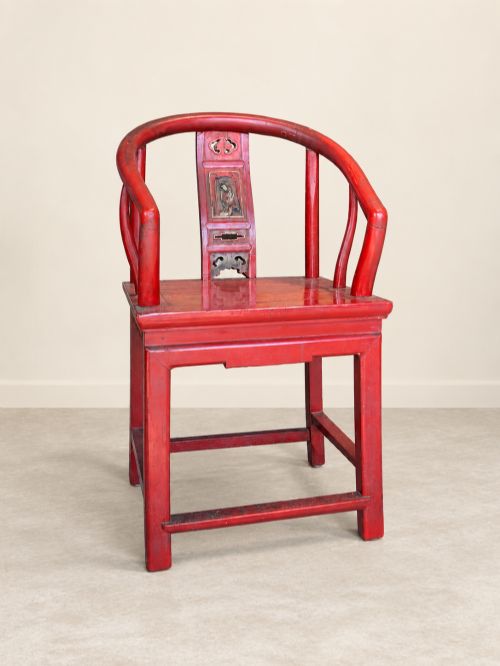
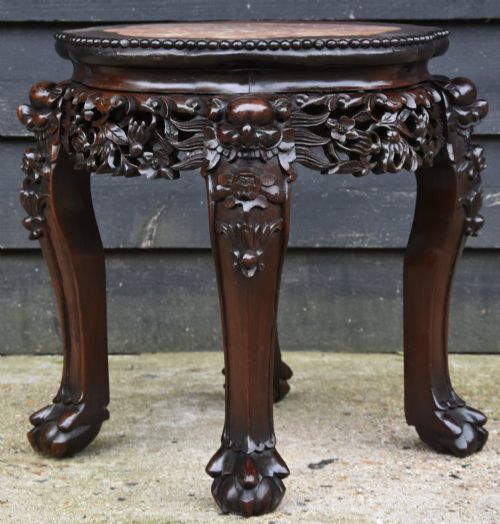
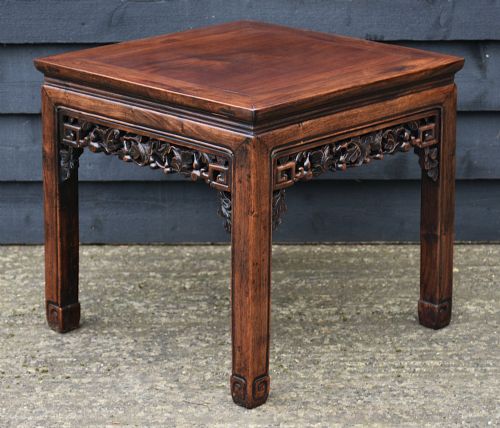
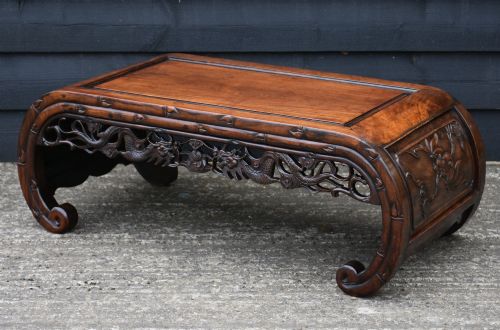
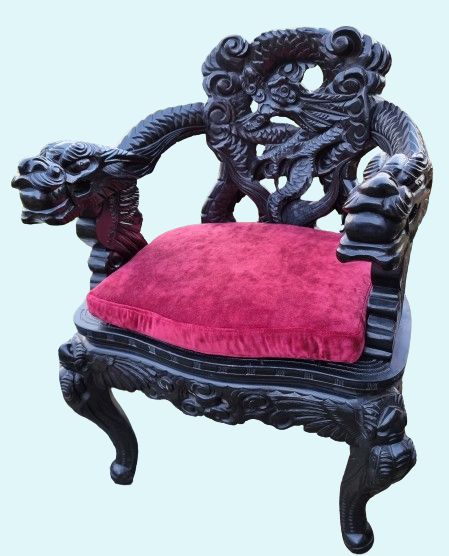
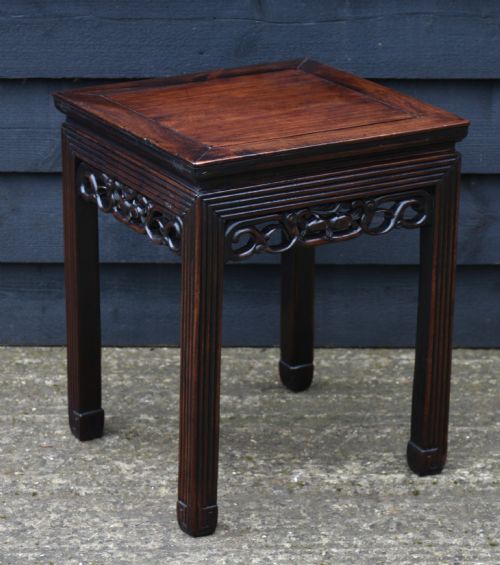
When exploring qing dynasty wood, buyers encounter domestic furnishings and decorative carvings designed for elite households and scholarly pursuits. The selection ranges from low tables and horseshoe-back armchairs to altar tables, nesting tables, and plant stands.
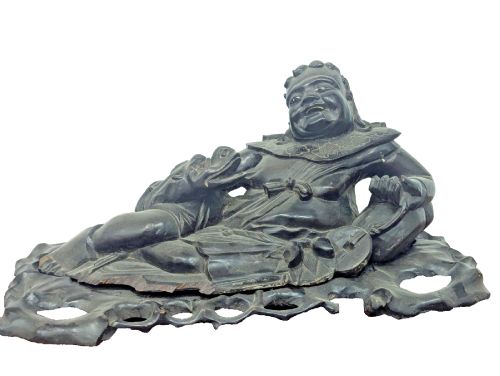
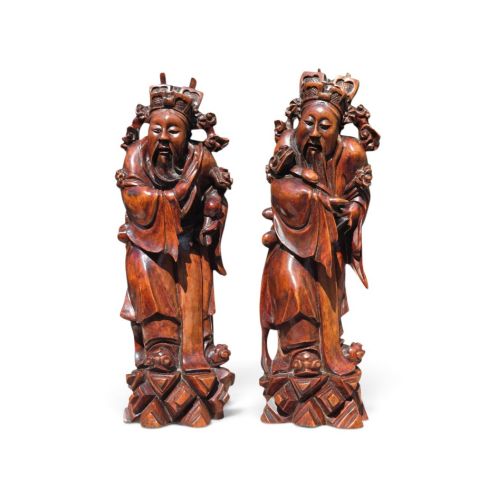
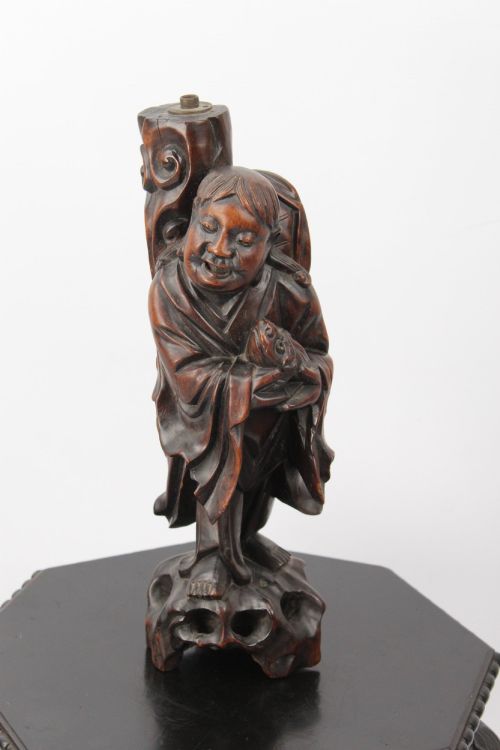
Figural sculptures representing Daoist immortals, deities, and scholars also appear alongside practical storage items like apothecary chests and cabinets. These pieces demonstrate the diverse applications of timber within historical interiors, moving from everyday utility to ceremonial display.
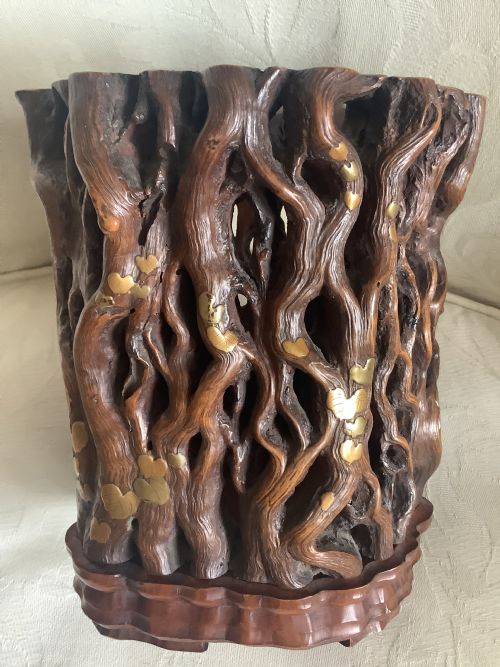
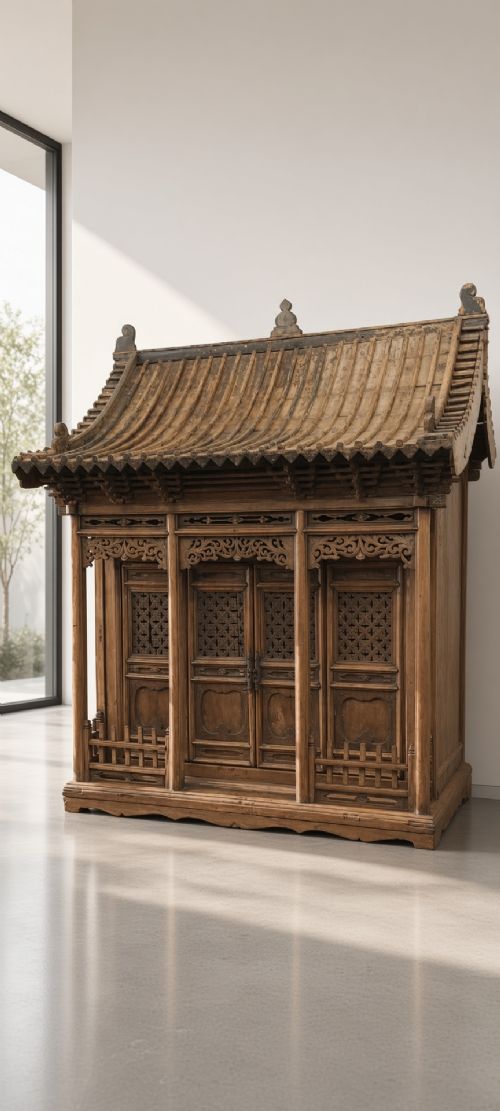
Items associated with leisure and scholarly study, such as brush pots and low opium tables, represent common survivals on the market. Larger case pieces and architectural screens offer a glimpse into the scale of period interior decoration.
Distinctions in Execution
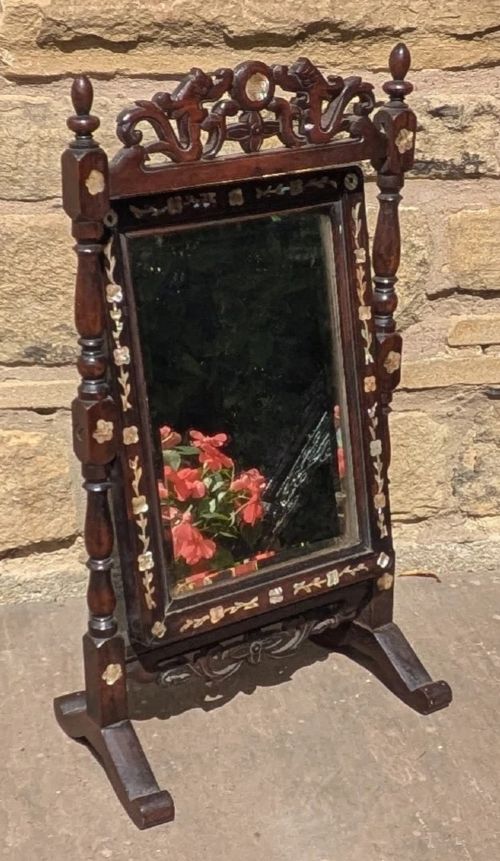
The standard of carving determines much of the distinction between ordinary and exceptional examples. Crisp, deeply undercut relief work displays a sculptor's command over the dense medium, whereas mechanical or shallow incisions lack definition.
Patina and timber selection dictate visual resonance, with dense hardwoods showing rich natural figure and uniform colour over centuries of handling. Surviving original finishes, whether clear lacquer or polychrome paint, elevate the integrity of a piece.
Proportion and structural balance separate utilitarian items from bespoke commissions. Pieces designed with harmonious dimensions and integrated joinery maintain their stability and aesthetic presence.
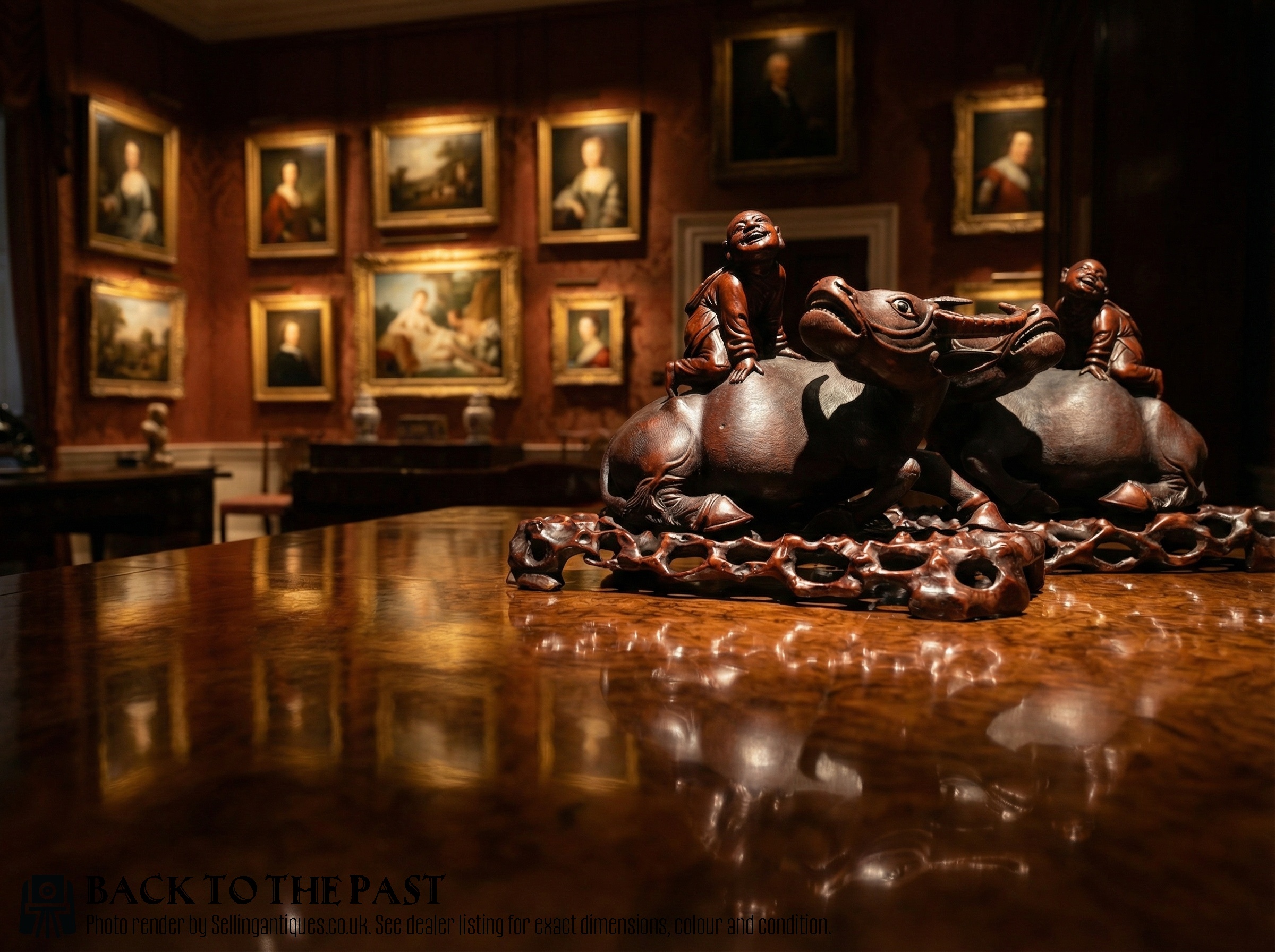
Carved water buffaloes accompanied by tiny herd-boys remind us that historical artisans observed pastoral life between crafting imperial thrones.
The Qing Dynasty Wood Glossary
- Hongmu
- A dense, fragrant tropical hardwood translating to red wood. It was heavily utilised by imperial and elite workshops for seating and tables.
- Kang Table
- A low table designed for use on a heated brick bed or raised platform. These pieces served domestic dining and writing functions.
- Yokeback Armchair
- A traditional seating form featuring a crestrail that curves upward at the ends resembling a yoke. This design provides ergonomic support for the sitter.
- Cloisonné
- A decorative metalwork technique where enamel is applied within wire partitions soldered to a base. It occasionally appears alongside timber elements in decorative objects.
- Foo Dog
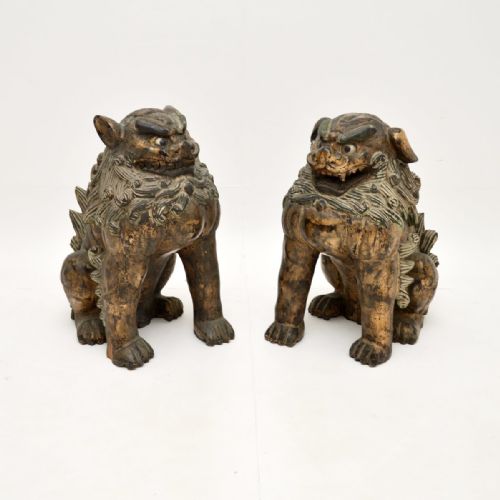
- A mythical guardian lion depicted in pairs outside architectural spaces. Carved wooden versions protected domestic interiors and temple halls.
Qing Dynasty Wood: Frequently Asked Questions
How are these items dated?
Dating relies on stylistic continuity, timber choice, and construction methods characteristic of imperial and provincial workshops active during the era. Physical wear and the maturation of the timber finish provide further context for establishing a timeline.
Archival records and comparative examples help narrow production windows to specific decades or imperial reigns. Documentation of historical joinery techniques remains a primary metric for verification.
Where were these pieces used?
Furniture and carvings occupied scholarly studios, ancestral halls, and domestic reception rooms within traditional households. Altar tables held ritual vessels, while plant stands elevated garden specimens indoors.
Smaller objects like brush pots sat directly on scholar's desks alongside writing equipment. Seating arrangements framed reception areas for receiving guests and conducting daily business.
How do I maintain wood furniture?
Preserving these surfaces requires stable environmental conditions away from direct sunlight and sudden temperature shifts. Maintaining consistent indoor humidity prevents timber from splitting or warping.
Routine dusting with a soft, dry cloth protects the finish and patina. Avoid chemical polishes that can degrade historical lacquer or alter the natural surface texture.
What distinguishes rosewood from elm?
Rosewood and hongmu present extreme density, dark colouration, and fine natural oils that take a high polish. Elm offers a lighter, fibrous grain structure utilised for utilitarian cabinetry and rustic seating.
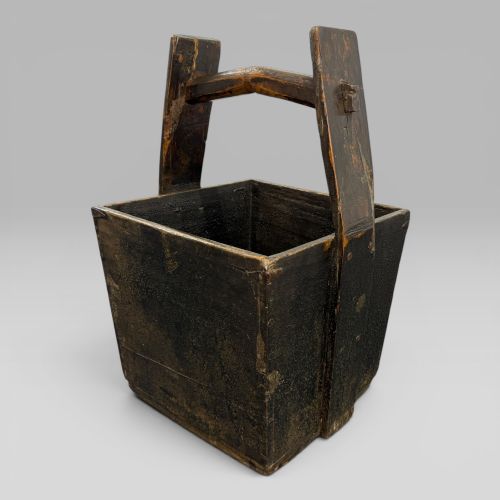
Artisans reserved heavy tropical hardwoods for formal reception rooms and scholarly objects. Domestic elm met the structural demands of larger storage cabinets and agricultural baskets.