

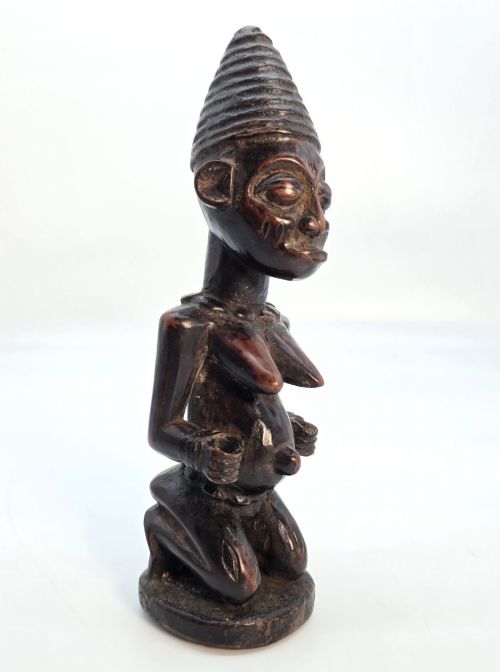
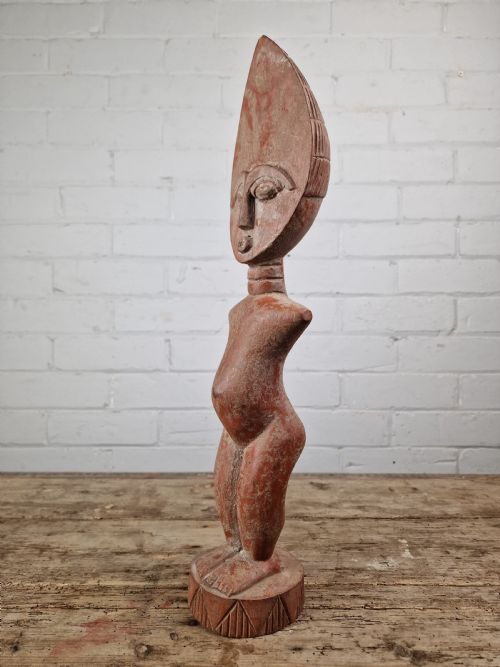


Traditional African Statue
A traditional african statue brings centuries of ritual history and sculptural power into a modern room.
Traditional African Statue
A traditional african statue encompasses carved wooden figures and cast metal sculptures originating from various regions across the continent. These pieces frequently represent cultural figures, warriors, kings, and fertility symbols tied to specific tribal traditions.
The selections available here range from nineteenth century hardwood carvings to early twentieth century bronze castings. Figures from the Yoruba, Fante, Ashanti, and Benin traditions appear regularly in these listings.
Buyers encounter both intimate fertility figures meant for ritual use and large scale commemorative statues cast in copper alloy. Each object reflects the distinct sculptural vocabulary of its specific place of origin.
Materials and methods
Carved pieces rely on dense tropical hardwoods shaped with traditional hand tools, often enhanced with applied pigment. The grain and natural patina of the timber show the hand of the maker clearly.
Cast metal works utilise the lost wax technique to shape bronze and brass into intricate warrior and maternity statues. This method allows for high levels of detail in the ornaments and garments of the figures.
Traditional African Statue Retail Price Guide 2026
Typical asking prices for traditional african statue among the pieces listed under this phrase on Sellingantiques today, from the lower quarter to the upper quarter. They describe what is for sale here now, not the wider market.
One heavy bronze horseman statue weighs seven kilograms, proving that ancient warriors had serious luggage.
Markers of quality
Quality rests in the expressive power of the carving and the fidelity of the bronze casting. Master carvers capture dynamic posture and anatomical balance with deliberate economy of line.
Surface maturity distinguishes superior examples, showing genuine age through handling wear, oxidation, and pigment retention. The presence of a deep, undisturbed patina adds significant visual depth to both wood and metal.
The Traditional African Statue Glossary
- Lost wax casting
- A metalworking process where a molten metal is poured into a mould that has been created by means of a wax model. This technique produces complex bronze and brass statues.
- Patina
- The surface appearance altered by age, handling, and exposure to the elements over time. A rich patina indicates long periods of existence.
- Janus figure
- A sculptural representation with two faces looking in opposite directions. This form often symbolises watchfulness and spiritual duality.
- Tribal art
- Creative works produced by indigenous cultures, particularly from African societies. These objects frequently carry deep ritual or social significance.
Traditional African Statue: Frequently Asked Questions
What materials were these statues made from?
The listings show a split between carved timber such as hardwood and cast metals like bronze and brass. Pigment and woven fibre also appear on specific figures.
Woods tend to dominate the earlier fertility carvings, whilst bronze and copper alloys form the heavy warrior and maternity statues.
Are these pieces heavy?
Bronze and brass statues can be remarkably heavy, with some single pieces weighing several kilograms. Hardwood carvings also possess significant heft due to the density of tropical timber.
Display surfaces must be sturdy enough to support heavy metal castings and large wooden sculptures safely.
How should I care for the surface?
Wooden carvings benefit from stable indoor humidity and protection from direct sunlight to prevent timber cracking. Dusting with a soft, dry cloth preserves the natural grain and pigment.
Bronze and brass statues require minimal intervention, as cleaning away the aged patina ruins the historical character of the metal.