





African Figurine Sculpture
These african figurine sculpture pieces combine traditional ritual purpose with accomplished carving, offering a direct connection to historic craftsmanship.
African Figurine Sculpture
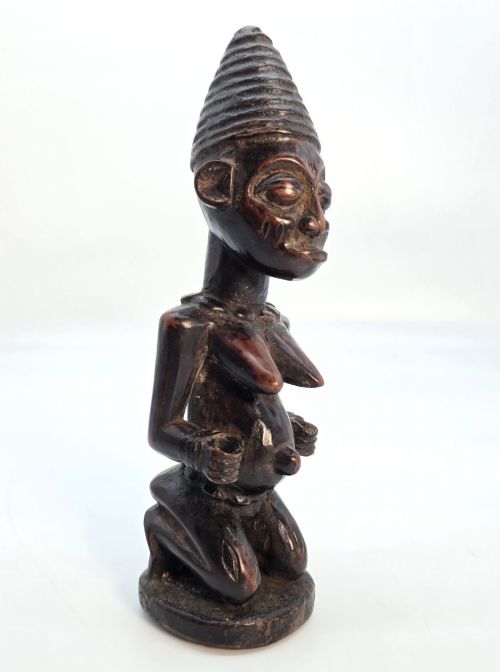
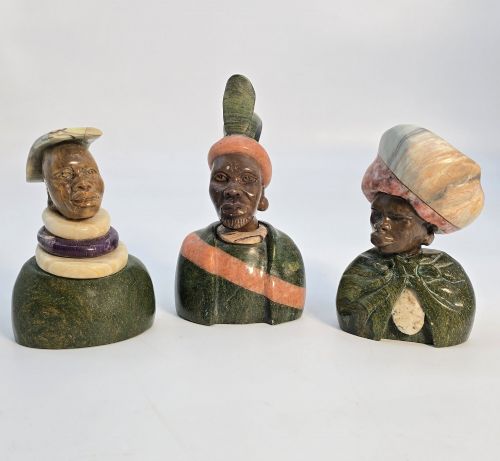
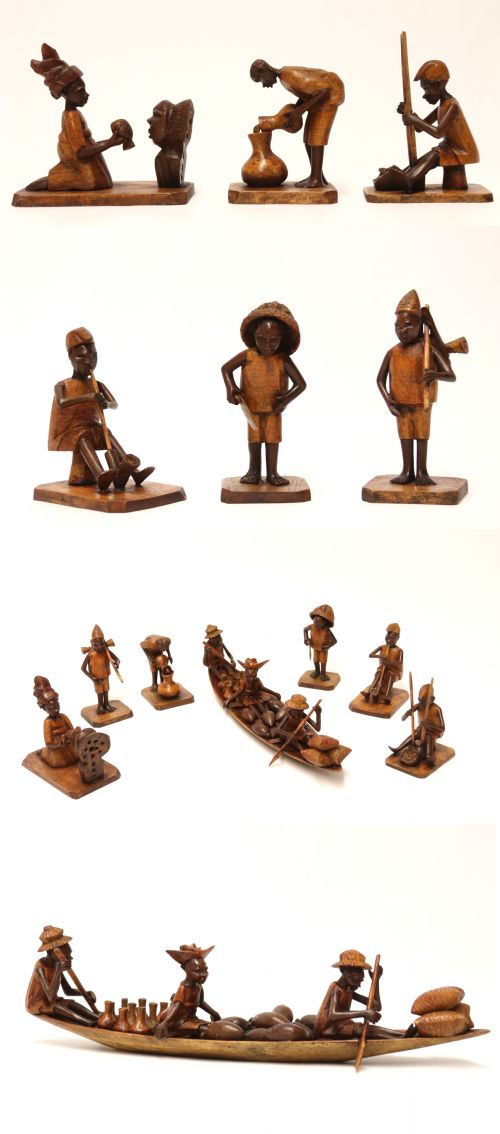
An african figurine sculpture encompasses carved wooden and stone works originating from various regions across the continent, spanning the nineteenth and early twentieth centuries. Buyers searching this phrase encounter fertility figures, portrait busts, warrior representations, and pairs of seated figures.
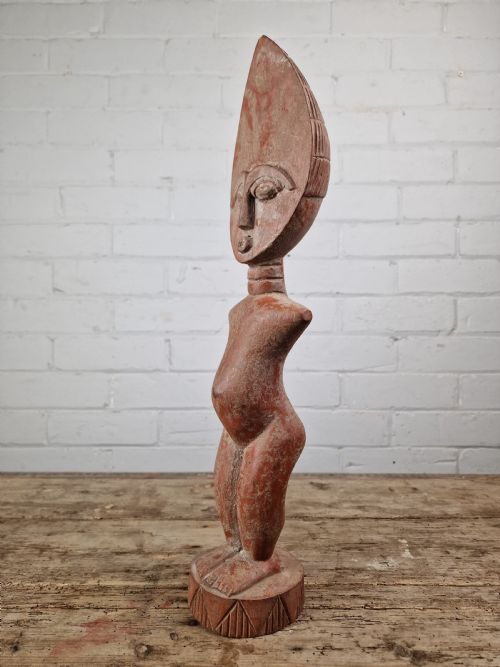
The objects frequently represent specific cultural groups, including the Yoruba, Fante, Edo, and Maasai peoples. Forms range from single standing or seated figures to triple groups, Janus compositions, and articulated lay figures.
Materials vary between dense hardwoods and carved stones such as soapstone, serpentine, and verdite. Many examples retain surface pigment and aged patina resulting from ritual use and handling over generations.
How they were made
Carvers shaped these pieces primarily from seasoned hardwood and occasionally bone or stone using traditional hand tools such as adzes and knives. The removal of material followed established cultural conventions for proportion and posture.
African Figurine Sculpture Retail Price Guide 2026
Typical asking prices for african figurine sculpture among the pieces listed under this phrase on Sellingantiques today, from the lower quarter to the upper quarter. They describe what is for sale here now, not the wider market.
The documented objects span the nineteenth century and the early decades of the twentieth century.
What varies in quality
Quality rests upon the skill of the carver and the vitality of the form, distinguishing standard commercial output from pieces with expressive presence. Facial detailing, balanced proportions, and confident handling of stance elevate certain works above others.
The depth of the accumulated patina and the preservation of original surface pigments contribute significantly to the visual weight of a piece. Examples retaining clear cultural attribution or originating from known workshops demonstrate greater artistic ambition.
Abegunde of Ede
The African Figurine Sculpture Glossary
- Patina
- The surface sheen and colour developed through age, handling, and application of oils over many decades. This layer offers evidence of use and handling.
- Janus
- A sculptural form featuring two faces looking in opposite directions. This convention often symbolizes vigilance or spiritual duality in tribal art.
- Fertility figure
- A carved representation traditionally created to encourage childbirth or protect children. These objects usually emphasise physical attributes associated with maternity.
- Hardwood
- Dense timber sourced from slow-growing trees, selected by carvers for durability and fine grain. It provides a stable base for intricate carving.
African Figurine Sculpture: Frequently Asked Questions
What are african figurine sculpture pieces?
These works comprise carved wooden and stone figures created by various African peoples, particularly from the nineteenth century onwards. They include ritual objects, portrait busts, and figurative groups.
Many pieces reflect specific cultural traditions, such as Yoruba Ibeji figures or Fante fertility carvings. Their forms are defined by distinct regional styles and historical carving techniques.
How were these figures used?
Many objects served ritual or protective functions within their communities, ranging from ancestral veneration to fertility rites. Figures were often kept in shrines or carried during ceremonies.
Other pieces, such as portrait busts and warrior sculptures, documented cultural identities and local figures. Over time, handling during these practices contributed to the rich surface patinas visible today.
How do I care for wooden sculptures?
Keep carved wooden pieces away from direct sunlight and fluctuating heat sources to prevent the wood from splitting. Stable indoor humidity preserves both the timber and any remaining pigment.
Dust the surface gently with a soft, dry brush. Avoid applying modern oils, waxes, or cleaning products unless advised by a specialist, as these can alter the historic patina.
How can I tell the age of a piece?
Age is assessed through the condition of the wood, the depth of the natural patina, and stylistic conventions associated with specific periods. Tool marks and wear patterns also offer clues to historic manufacture.
While exact dates can be challenging to determine without provenance, comparing the carving style to documented regional art helps place the work within the nineteenth or early twentieth century.