






Hand Carved African Figure
These hand carved african figure pieces bring distinct tribal craftsmanship and ritual history directly into modern interior spaces.
Hand Carved African Figure
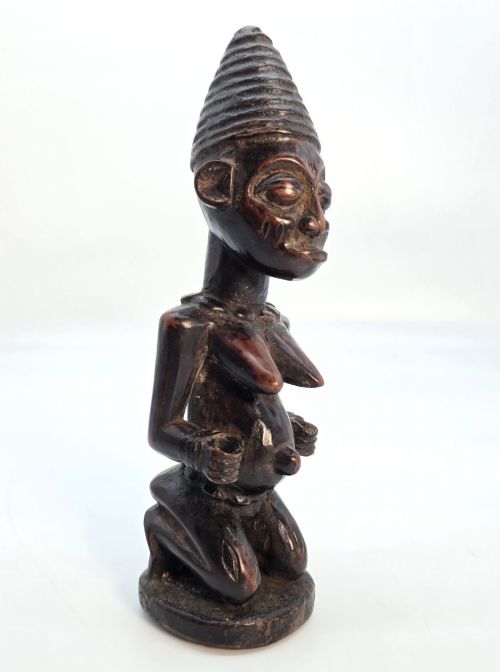
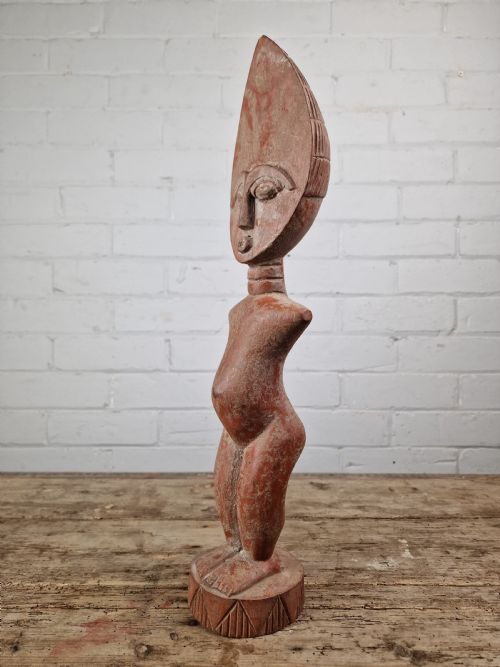
When you search for a hand carved african figure, you are looking at sculptural works, fertility figures, marriage panels, and ceremonial objects created across various regions of the continent. The pieces represented here span from the late nineteenth century through to the mid twentieth century, capturing diverse tribal traditions.
You are most likely to meet hardwood and wood sculptures, along with functional items like carved panels and tables integrated with figurative elements. These items originate from specific groups such as the Fante, Dogon, Bamileke, and Yoruba tribes.
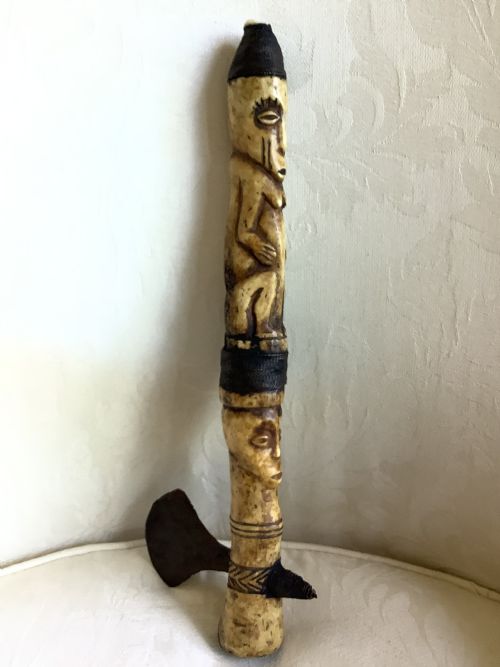
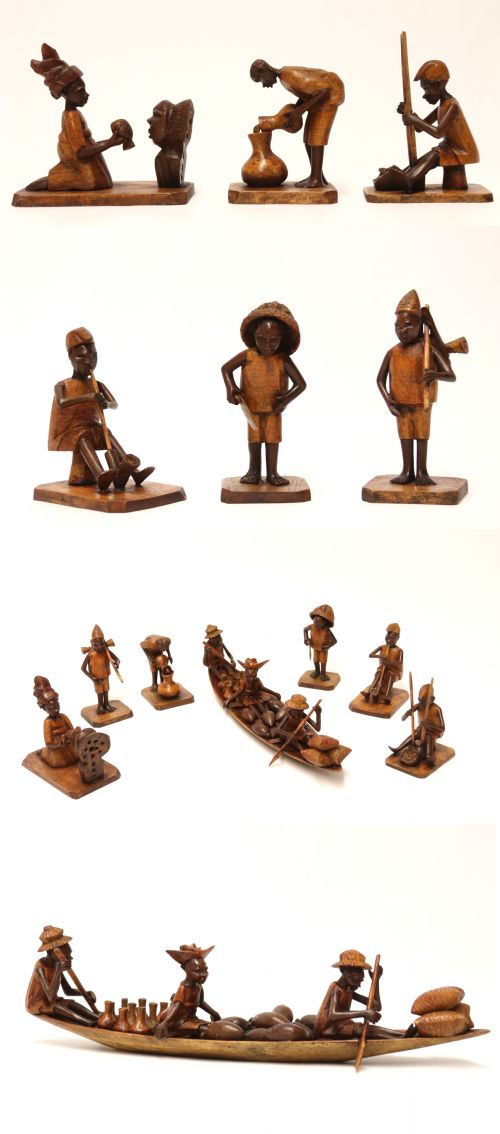
The forms range from single standing figures and pairs of male and female figurines to animal studies and ceremonial axes adorned with bone elements. Each object reflects the distinct artistic language and cultural practices of its specific origin.
How they were made
Selected pieces integrate bone elements or feature patinated surfaces developed through age and handling. The carving techniques rely entirely on traditional hand methods passed down through generations within specific tribal groups.
Hand Carved African Figure Retail Price Guide 2026
Typical asking prices for hand carved african figure among the pieces listed under this phrase on Sellingantiques today, from the lower quarter to the upper quarter. They describe what is for sale here now, not the wider market.
The listings show materials spanning hardwood, timber, pigment, and bone, alongside forms including sculptures, wall panels, daybeds, and ceremonial objects.
What varies in quality
Quality in these carvings rests on the depth of expression, the crispness of the tool work, and the integrity of the wood. Finer examples display confident proportions and careful attention to tribal ornamentation rather than rushed execution.
The depth and richness of the patina also distinguish superior pieces, showing genuine handling and age. Balance in figurative forms and the successful integration of pigment or bone further elevate the standing of a piece.
The Hand Carved African Figure Glossary
- Hardwood
- Dense timber derived from broad-leaved trees, chosen by carvers for its durability and fine grain. This material allows for intricate detail that resists splitting over time.
- Patina
- The glossy sheen or surface alteration developed on wood, bone, and pigment through years of exposure and handling. It serves as a visual indicator of age.
- Fertility figure
- A carved representation traditionally commissioned or utilised to invoke blessings for family lineage and abundance. These objects often highlight specific bodily forms and tribal adornments.
Hand Carved African Figure: Frequently Asked Questions
What are hand carved african figures?
These are sculptural objects and ceremonial pieces created by various African tribal groups using traditional woodworking methods. They encompass fertility figures, marriage panels, and figurative studies.
Most items date from the late nineteenth century to the mid twentieth century. They reflect the distinct cultural practices and artistic styles of regions such as Mali, Ghana, Nigeria, and Angola.
How were these figures used?
Many of these pieces served ritual, ceremonial, or domestic functions within their original tribal communities. Fertility figures and marriage panels held specific spiritual and social significance.
Other items, such as ceremonial beds and tables, combined practical utility with figurative carving. They marked important occasions or denoted status within the tribe.
How do I live with these sculptures?
These pieces integrate well into modern interiors as sculptural focal points on side tables, mantels, or shelves. Their rich wooden tones and tribal forms contrast pleasingly with contemporary minimalist decor.
Keep them away from direct sunlight and rapid temperature fluctuations to protect the timber and pigment. A stable indoor environment preserves the natural patina.
How do I tell periods apart?
Dating relies on assessing the timber, the depth of the surface patina, and the style of the carving. Nineteenth-century examples often display deeper wear and darker patination from extended handling.
Twentieth-century pieces from the nineteen twenties and fifties show different stylistic nuances associated with specific workshops. Examining the tool marks and regional motifs helps clarify the timeline.