





West African Tribal Art
West african tribal art brings together hand-carved wooden sculptures, cast bronzes and ceremonial objects created across the nineteenth and twentieth centuries.
West African Tribal Art
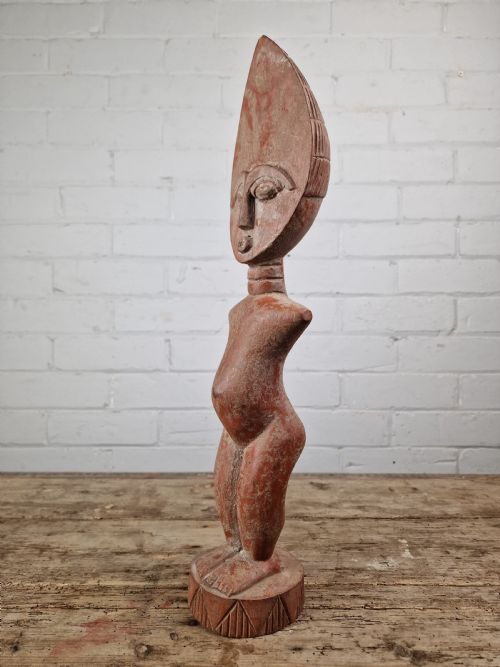
West african tribal art comprises traditional ritual items, statues, masks and utilitarian objects originating from regions including Nigeria, Ghana, Ivory Coast and Mali. When you search for west african tribal art, you encounter figures and masks linked to specific peoples such as the Yoruba, Ashanti, Baule, Dogon and Benin. These pieces range from functional items like stools, pipes and combs to monumental bronze warrior statues and carved fertility figures.
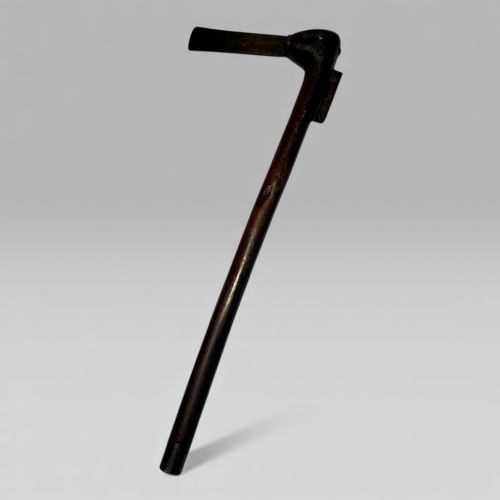
The objects span from the late nineteenth century through to the mid-twentieth century, encompassing periods like the Edwardian era and specific dates around nineteen hundred, nineteen twenty and nineteen thirty. The selection balances cast metalwork in bronze and brass with organic materials including carved hardwood, bone, fibre and pigment. Forms vary from small handheld Ibeji figures and slingshots to large standing statues and shoulder masks.
What varies in quality
Quality in west african tribal art rests upon the precision of the carving or casting and the depth of the object's cultural integrity. Pieces attributed to named carvers or specific regional traditions display a distinct mastery of form and proportion that elevates them above standard workshop output. The condition of the surface, including the presence of authentic patination, pigment remnants and age-related wear, distinguishes pieces created for genuine ceremonial use from later interpretations.
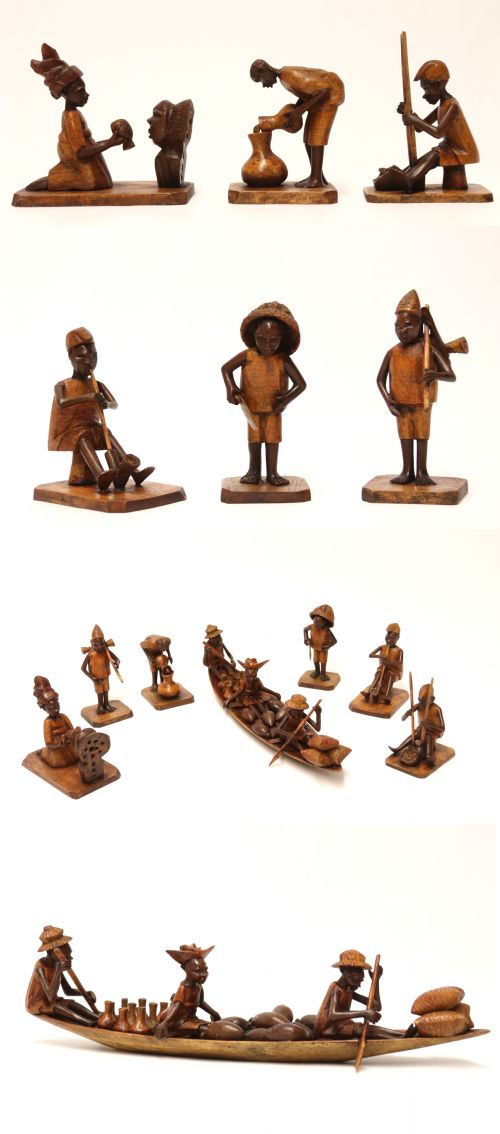
Scale and ambition also differentiate the inventory, with large bronze warrior statues and complex multi-figure compositions representing significant technical achievement compared to smaller utilitarian items. The integration of materials, such as the combination of wood with fibre or bone, reflects the maker's skill and the overall sophistication of the piece.
Listings feature works from the nineteenth and twentieth centuries, spanning periods from eighteen eighty to nineteen fifty in wood, bronze and brass.
master carver Abegunde of Ede
The West African Tribal Art Glossary
- Ibeji figure
- A wooden carved sculpture created by the Yoruba people to honour a deceased twin. These figures frequently feature elaborate coiffures and display traditional beads or pigment.
- Bronze casting
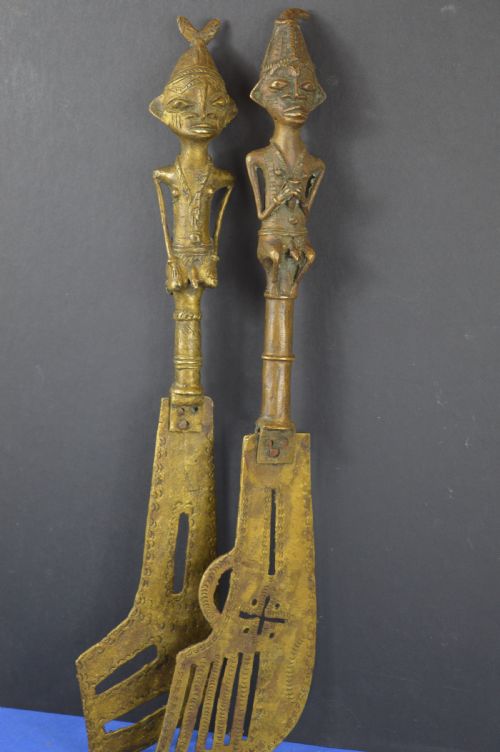
- A metalworking technique utilised to create durable statues, busts and containers. Master smiths poured molten metal into moulds to produce intricate figures of warriors, horsemen and royalty.
- Patina
- The surface sheen and coloration developed on wood, bronze or metal through age, handling and environmental exposure. A natural patina provides evidence of an object's age and history.
- Ceremonial staff
- A carved wood or cast metal rod used in rituals or as a symbol of status. These objects frequently incorporate figurative elements at the summit.
West African Tribal Art: Frequently Asked Questions
What are Ibeji figures used for?
Yoruba communities carved Ibeji figures to represent twins who did not survive infancy. Families cared for these wooden sculptures as living children, feeding them and anointing them with oil and camwood.
Over time, this handling created a rich surface patina. Today, collectors value them for their sculptural form and cultural significance.
How do you date tribal bronzes?
Dating bronze statues and containers relies on style, casting technique and the physical condition of the metal surface. Stylistic comparisons with documented pieces from periods like the late nineteenth and early twentieth centuries help establish an approximate timeframe.
The natural oxidation and wear on the bronze provide further clues to the age of the piece.
What materials are common in masks?
Traditional masks are predominantly carved from wood, occasionally enhanced with applied pigments, plant fibres and organic materials. Carvers selected specific hardwoods suited to intricate detailing and daily ceremonial wear.
Traces of pigment and fibre remnants indicate active ritual use. These added elements vary depending on the regional tradition and the specific spirit the mask represents.
Are these pieces authentic antiques?
The inventory comprises works created from the late nineteenth century through the mid-twentieth century. Evidence of age appears in the dry grain of the wood, the wear patterns on handling areas and the oxidation of bronzes.
Documentation and tribal attribution, such as Yoruba or Ashanti origins, help verify the historical context of each item.