





Seated Wooden Statues
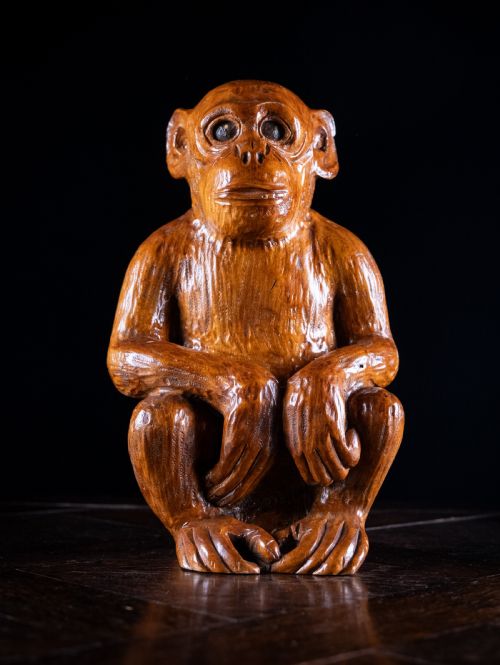
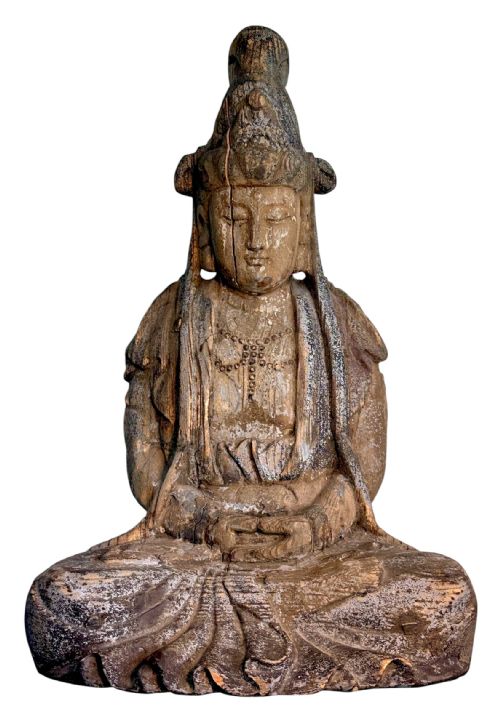
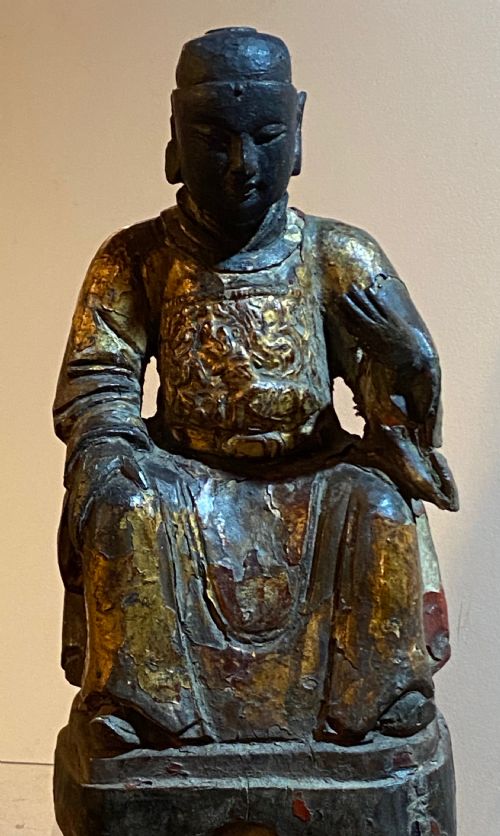
Seated wooden statues are carved figures spanning several centuries, capturing deities, animals, and human forms to bring tactile historic presence into a room.
Seated Wooden Statues
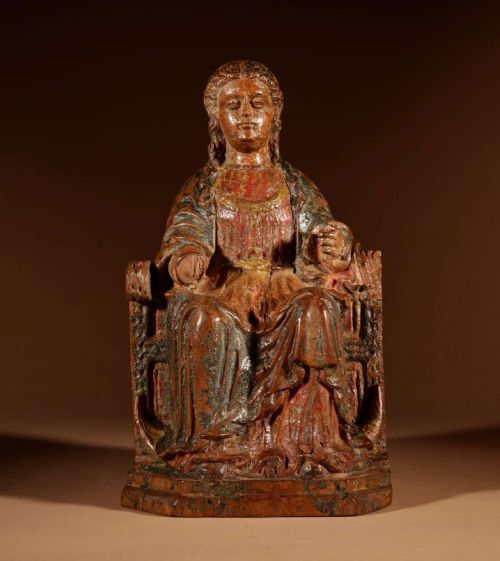
Seated wooden statues encompass diverse forms ranging from 16th-century European Madonnas to Chinese deities, Buddhas, and African tribal figures. Buyers searching for seated wooden statues encounter works shaped by religious, ritual, and secular traditions across Asia, Africa, and Europe. The selection spans centuries of craftsmanship, including Qing Dynasty scholars, Renaissance figures, and 20th-century carvings.
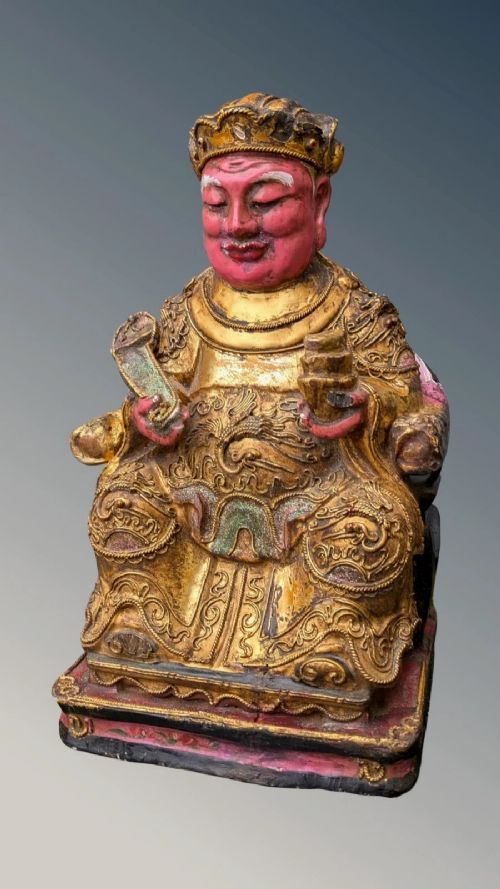
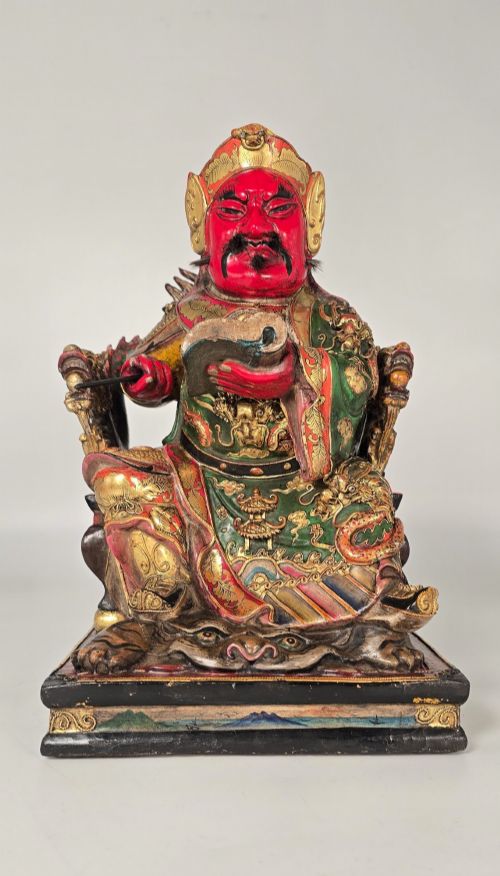
Most pieces on this page reflect traditional hand-carving techniques applied to subjects seated on thrones, stools, or bases. Examples include Chinese polychrome deities, gilt wood Buddhas, and Yoruba figurines seated on stools. Each sculpture demonstrates the distinct cultural iconography of its period and origin.
Materials and construction
Makers utilised various woods such as walnut, limewood, and dense hardwoods to carve these figures. Artisans shaped the base material using traditional hand-carving tools to achieve high relief and detailed anatomical or symbolic forms.
Surfaces often received elaborate treatments including gold leaf, gesso, lacquer, and polychrome paint. These finishes preserved the wood while adding rich colour and ceremonial depth to deities, animals, and human subjects.
A life-size wooden lion stands ready alongside seated scholars and fertility figures.
Evaluating craftsmanship
Quality rests in the precision of the carving and the preservation of original surface treatments like polychrome paint, lacquer, and gold leaf. Superior examples display confident toolwork that defines drapery, facial expressions, and anatomical details without hesitation.
The integrity of the timber and the depth of the sculptural form distinguish finer pieces from simpler work. Well-preserved patination and harmonious proportions indicate a higher tier of historic execution.
Hans Müller
The Seated Wooden Statues Glossary
- Polychrome
- Decorated in a variety of colours. This technique appears frequently on Chinese and European figures to enhance visual realism or symbolic meaning.
- Gesso
- A plaster-like mixture applied to wood as a base for paint or gold leaf. It provides a smooth surface for detailed decoration.
- Gilt wood
- Wood that has been thinly coated with gold leaf or gold paint. This finish highlights sacred or important figures.
- Lacquer
- A clear or coloured varnish applied in multiple layers to wood. It creates a hard, durable, and lustrous protective finish.
- High relief
- A sculptural technique where figures project substantially from the background. This method adds depth and shadow to carved panels and statues.
Seated Wooden Statues: Frequently Asked Questions
What periods do these statues come from?
The pieces span multiple centuries, including the 16th, 17th, 18th, 19th, and 20th centuries. Makers across different eras utilised traditional regional styles.
Dates range from Renaissance European works to Qing Dynasty carvings and 20th-century tribal art.
How do I identify Chinese figures?
Chinese figures often depict scholars, deities, or Buddhas using characteristic iconography and dress. Many incorporate polychrome paint, lacquer, or gilding.
Pieces from this region frequently reflect Qing period traditions and specific ritual functions.
Where should I place a wooden statue?
These sculptures suit stable indoor environments away from direct sunlight and dramatic moisture changes. Placing them on consoles or dedicated display surfaces allows clear viewing of the carving.
Consider the scale of the room and the height of the furniture when positioning larger figures.
What woods were commonly used?
Carvers utilised materials such as walnut, limewood, and various dense hardwoods. The choice of timber depended on regional availability and the required detail of the carving.
Softer woods allowed deep relief work, while hardwoods provided durability for smaller figures and stools.