




Tribal Wood Carving
Tribal wood carving pieces encompass functional items and figures shaped from hardwood and organic materials across global indigenous traditions.
Tribal Wood Carving
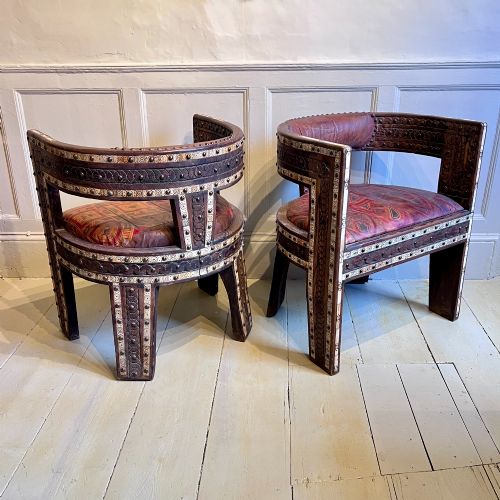
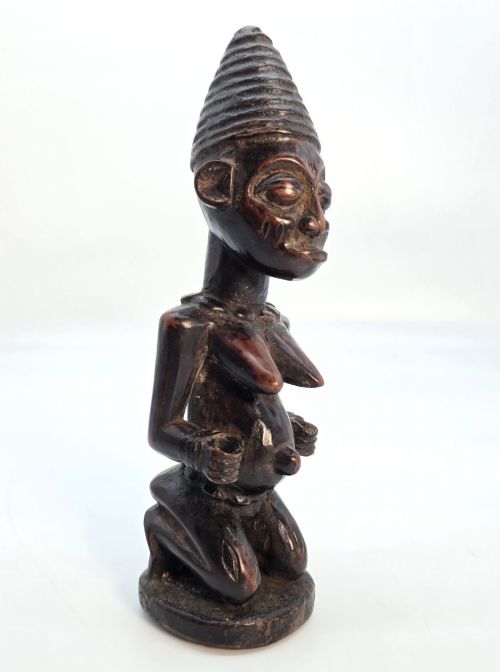
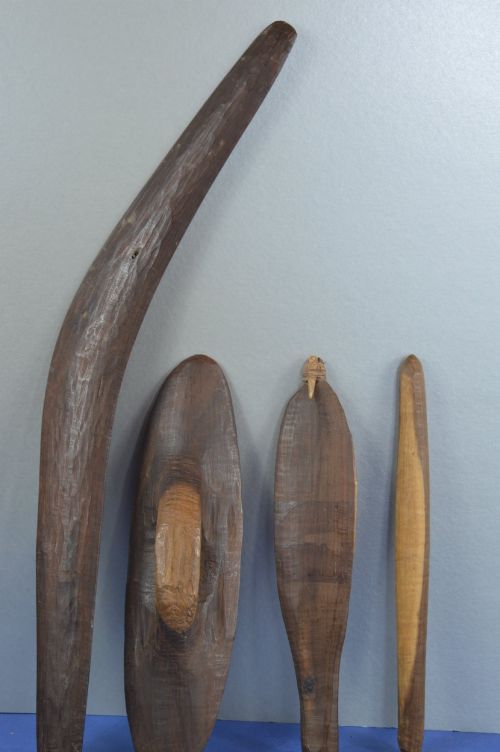
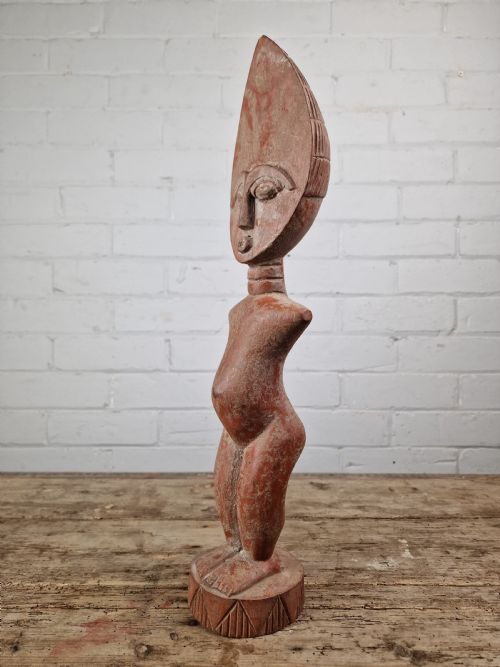
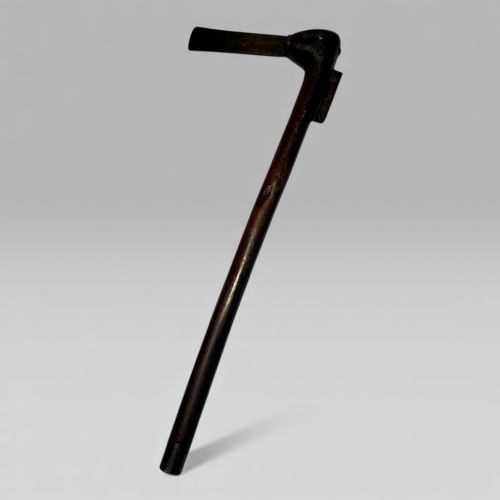
A tribal wood carving brings together historical objects intended for ceremonial, domestic or utilitarian use within specific cultures. Buyers encounter items ranging from traditional African figures and masks to Oceanic clubs, North American sculptures and Asian folk art.
The selection on this page centres primarily upon nineteenth-century and early twentieth-century examples made from dense timber. Common forms include reliquary guardian heads, ceremonial axes, fertility figures, throwing clubs and carved masks originating from diverse regions such as Gabon, the Ivory Coast, Fiji and the Himalayas.
Regional styles define the visual character of each object, reflecting the distinct artistic traditions of makers from specific communities. These items bridge historical ethnography and material culture, offering tangible links to distant periods and practices.
How they were made
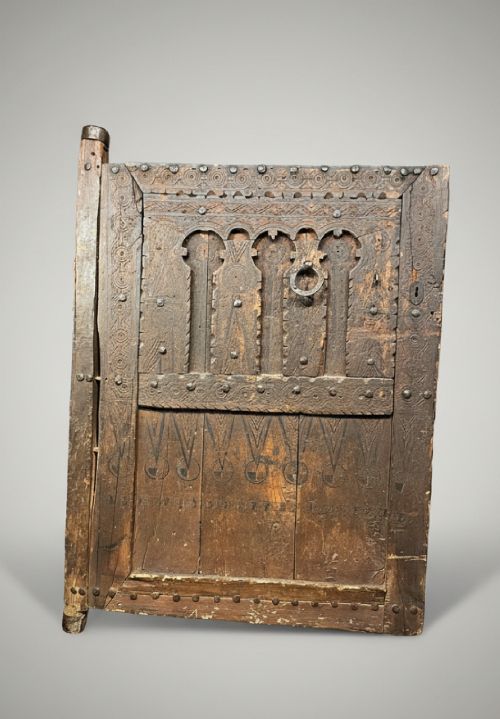
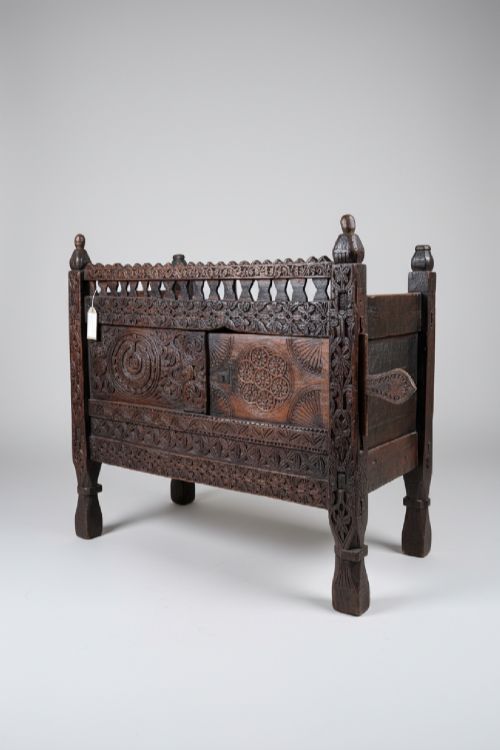
Maker communities relied on indigenous hardwoods and basic hand tools to shape raw timber into functional objects and figurative sculptures. Carvers frequently integrated supplementary media such as bone, brass, iron and pigment to accentuate specific details or enhance the visual impact of a mask or figure.
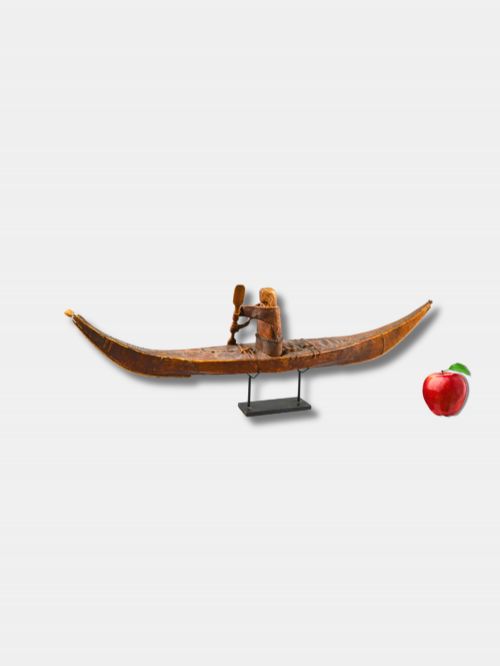
Surfaces often display the direct marks of chisels and adzes, combined with the patination accumulated through ritual application or handling over long periods. Certain items incorporate organic elements like tanned seal skin and leather, reflecting the practical constraints and material availability of the originating culture.
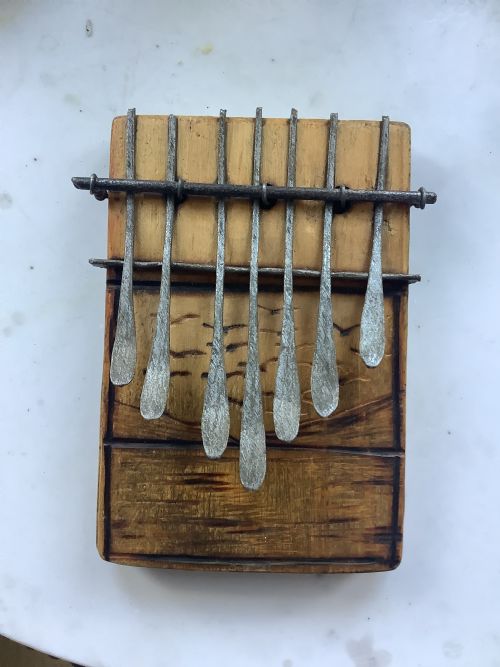
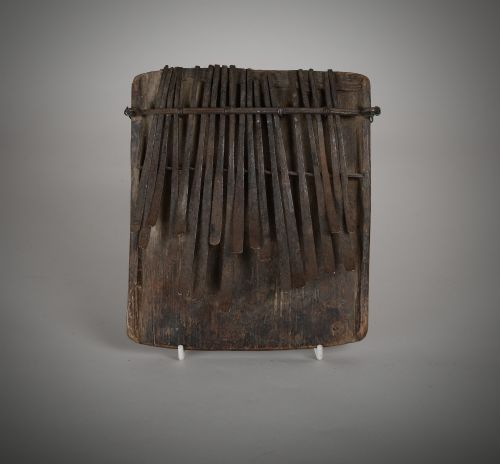
One listed nineteenth-century musical instrument is a thumb piano designed for travelling musicians.
What varies in quality
The standard of a tribal wood carving depends largely upon the sculptural vigour and the fidelity of the form to its cultural context. Pieces executed with confident proportions and deep toolwork display a distinct presence absent from more mechanical or later commercial reproductions.
Preservation of the original surface patina and any applied pigment significantly alters the standing of an object. Items that retain their historical wear without aggressive restoration command greater attention from collectors who value untouched material integrity.
The Tribal Wood Carving Glossary
- Patina
- The surface sheen and gradual change in colour developed through decades of handling, exposure and natural ageing. This quality offers visual proof of an object's history.
- Reliquary
- A container or guardian figure designed to hold ancestral remains or sacred relics. These pieces frequently take sculptural forms atop boxes or baskets.
- Knobkerrie
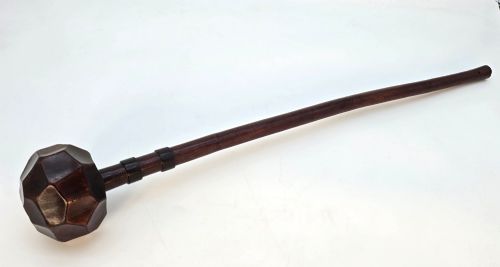
- A traditional southern African club featuring a heavy rounded head mounted on a wooden shaft. They served as both functional hunting weapons and symbols of status.
Tribal Wood Carving: Frequently Asked Questions
How do I date a tribal carving?
Dating relies on assessing the tool marks, timber type, style and surface wear. Items from the nineteenth and early twentieth centuries show distinct hand-carving techniques and material patination.
Comparing stylistic traits to documented regional types helps establish a reliable period of origin.
How were these items used?
Many pieces served active roles in rituals, governance or daily life within their originating societies. Masks and figures were often employed in dances, ceremonies or ancestor veneration.
Other objects functioned as utilitarian tools, weapons, musical instruments or status markers for chiefs and messengers.
How do I care for wooden tribal art?
Preserving these pieces requires stable indoor humidity and protection from direct sunlight to prevent timber splitting or pigment fading. Avoid applying modern polishes or oils to the surface.
Maintaining the original dry patina safeguards both the visual character and the historical integrity of the carved wood.