




Dark Wood Tribal Figures
Dark wood tribal figures bring intense presence into a room, carved from dense timber and bone across African and Polynesian traditions.
Dark Wood Tribal Figures
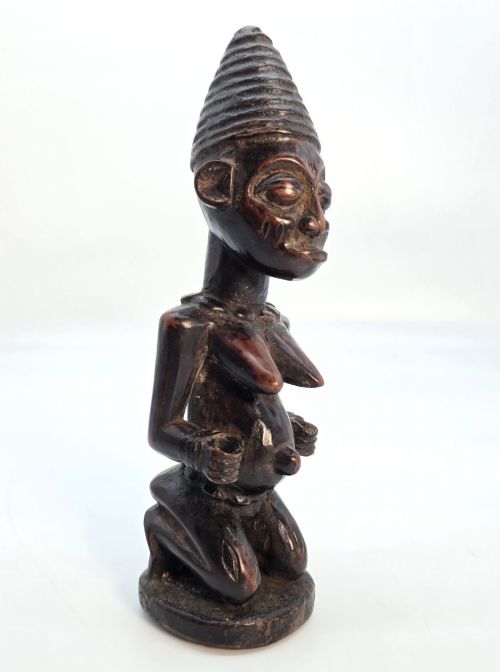
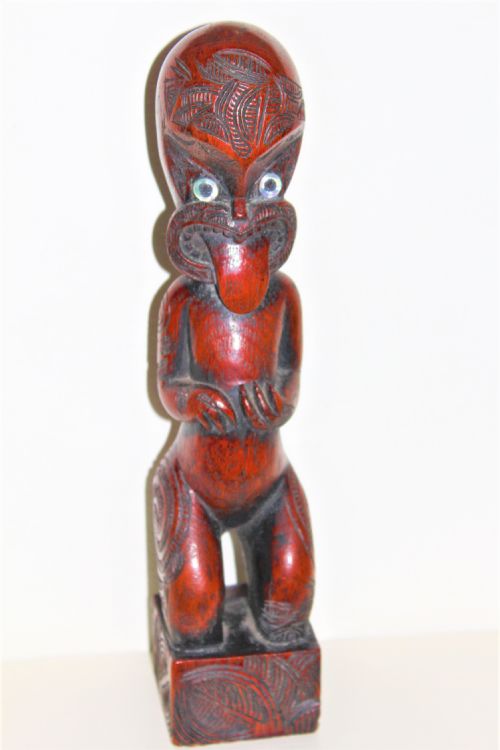
When you search for dark wood tribal figures, you examine hand-carved sculptures, fertility statues, and figural headrests originating from diverse cultural groups such as the Yoruba, Dogon, Edo, Fang, and Maori. These objects span from the late nineteenth century through the mid-twentieth century, capturing specific regional aesthetics and sculptural traditions.
You are most likely to encounter standalone hardwood figures of warriors and figures, alongside utilitarian forms adapted into ceremonial furniture like tables and headrests. The materials reflect traditional crafting methods, predominantly utilising dense timbers carrying natural patinas developed through handling and age.
Materials and Construction
The finish on these pieces relies heavily on patinated wood and natural patinas built up over decades of use and exposure. Artisans utilised straightforward subtractive carving techniques, working directly with the grain of the timber to ensure structural longevity.
Listings feature items spanning the late nineteenth century through the mid-twentieth century, constructed from hardwood, timber, and bone.
Assessing Quality and Execution
The distinction between average and superior examples rests in the confidence of the carving and the depth of the expression. Master carvers achieved precise anatomical proportions and crisp surface details that elevate a simple fertility figure or headrest into a compelling work of art.
Surface condition and the richness of the patina also dictate quality. Pieces that retain an authentic, undisturbed surface skin and deep, varied tones through the timber demonstrate greater sculptural integrity than those with flat or overworked finishes.
Master carver Abegunde of Ede
The Dark Wood Tribal Figures Glossary
- Patina
- The surface sheen and colour developed on wood through age, handling, and environmental exposure. This layer offers visual evidence of a piece's history.
- Hardwood
- Timber derived from broad-leaved trees, providing the dense and durable medium essential for detailed tribal carving. It resists warping and takes a fine finish.
- Reliquary
- A container or guardian figure designed to hold sacred relics or ancestral remains. In Fang art, these heads surmount boxes containing ancestral bones.
- Ibeji
- A wooden figure carved by the Yoruba people to represent a deceased twin. These sculptures receive ritual care and display distinct regional carving styles.
- Headrest
- A carved wooden support designed to elevate the head during sleep and protect elaborate hairstyles. They often feature figural or geometric columns.
Dark Wood Tribal Figures: Frequently Asked Questions
What are dark wood tribal figures?
These pieces are hand-carved wooden sculptures, statues, and ritual objects created by indigenous artists across African and Polynesian regions. They encompass ancestor figures, fertility statues, and carved furniture.
The materials are typically dense hardwoods and timber, often enhanced with bone or finished with deep patinas developed over generations of handling and ceremonial use.
How were tribal figures used?
Many of these objects served functional or spiritual roles within their communities, acting as receptacles for ancestral spirits, representations of twins, or supports for sleep.
Others held prestige or ceremonial value, marking significant life events or cultural lineages within groups such as the Yoruba, Dogon, and Fang.
How do I live with tribal art?
Placing these sculptures in a room requires simple stability and protection from direct sunlight and extreme humidity changes. Their dark timber tones anchor contemporary and traditional interiors alike.
Allowing them space to be viewed from multiple angles highlights the depth of the carving and the character of the wood.
How do I tell different tribal styles apart?
Distinguishing between traditions depends on noticing specific facial forms, body proportions, and surface markings unique to each culture. For instance, Yoruba carvings often feature prominent eyes and elaborate hairstyles, while Dogon figures display elongated, angular forms.
Examining the treatment of the wood and the distinct regional iconography helps clarify the geographic origin of each piece.