





Antique Tribal Club
These antique tribal club examples span diverse global traditions, forged in dense indigenous hardwoods for both ceremonial display and combat.
Antique Tribal Club
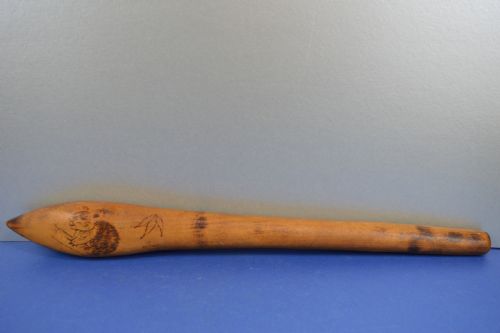
When you search for an antique tribal club, you enter a world of indigenous craftsmanship that encompasses functional weaponry and ceremonial symbols from the eighteenth century onwards. The examples appearing here stretch from Australian Aboriginal throwing sticks to South Seas island warrior implements and Southern African knobkerries.
You are most likely to encounter nineteenth-century pieces fashioned from dense native timbers, reflecting the utilitarian and cultural requirements of their makers. These objects served distinct roles within their communities, functioning variously as tools of the hunt, weapons of war, or badges of royal authority.
The regional origins are richly varied, taking in African tribal workshops, Oceanic island cultures, and First Nation Australian traditions. Each piece bears the distinct stylistic markers of its geographic source, distinguishing a Fijian fighting weapon from a Zulu throwing club.
Materials and methods
Makers relied primarily on indigenous hardwood, selecting dense timbers capable of withstanding the rigours of combat or heavy daily use. These woods were shaped using traditional cutting and carving implements, often finished with natural oils or patinated through handling over generations.
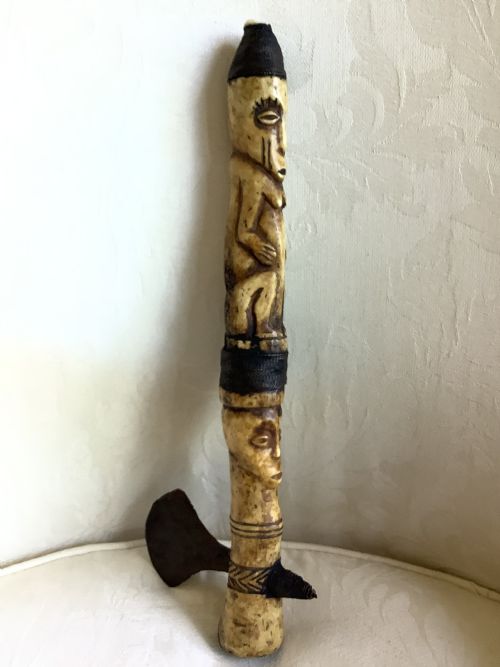
Selected pieces incorporate supplementary media such as iron, brass, bone, or plant fibre bindings to reinforce joints or embellish ceremonial heads. The combination of native timber with these subsidiary elements defines the structural integrity of the artefact.
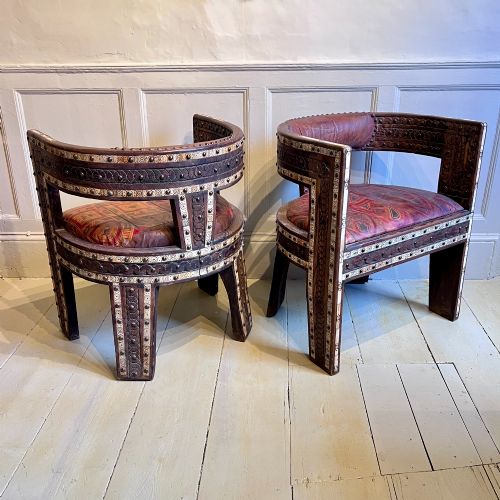
Some nineteenth-century makers evidently repurposed carpets into seating, proving that even a warrior's club deserves a comfortable armchair.
Judgments of quality
Quality rests upon the proportion, balance, and sculptural execution of the carved form, distinguishing utilitarian items from masterworks. A well-balanced throwing club reveals deliberate shaping that speaks to both practical utility and aesthetic consideration.
The depth and integrity of the surface patina indicate the age and handling history of the wood. Pieces retaining authentic tribal wear and original binding materials carry a stronger historical resonance than those with compromised surfaces.
HOWARD AND SONS
The Antique Tribal Club Glossary
- Knobkerrie
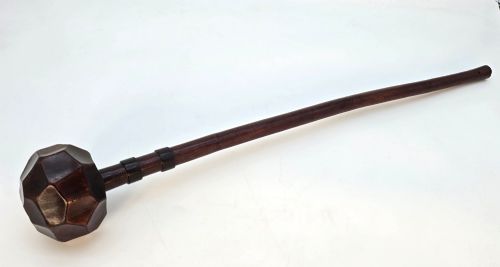
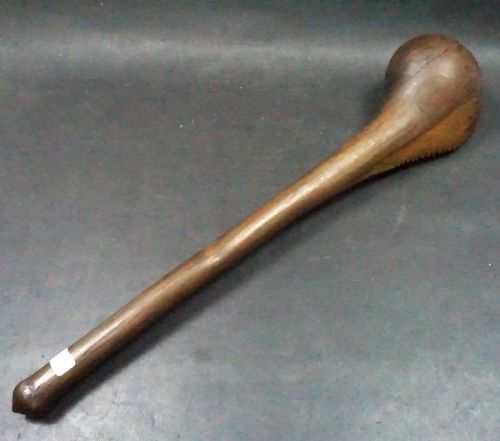
- A traditional Southern African wooden club characterised by a prominent heavy knob at the end of the shaft. It functions as both a walking stick and a throwing weapon.
- Nulla - Nulla
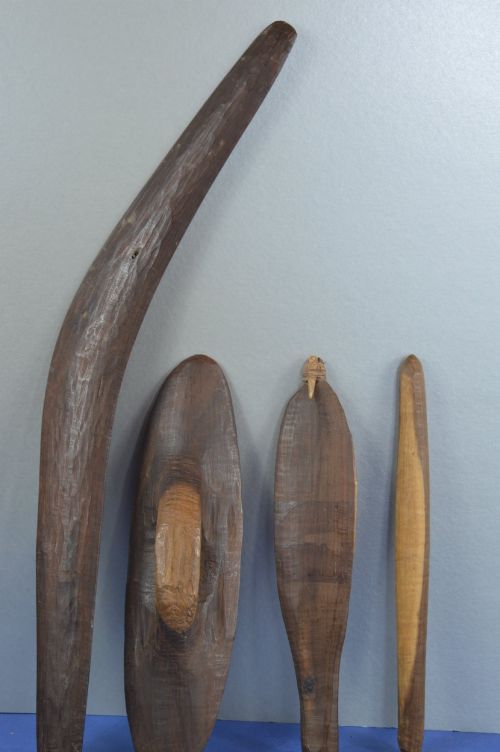
- An Australian Aboriginal hardwood hunting or fighting stick used for close combat or game throwing. These implements display characteristic regional carving styles.
- Ula
- A Fijian throwing club featuring a lobed head designed to incapacitate opponents at a distance. Warriors tucked these items into waistbands during battle.
- Ethnographic Art
- Cultural material produced by indigenous societies, encompassing functional objects imbued with symbolic and artistic meaning. Collectors value these pieces for their anthropological significance.
- Vunikau
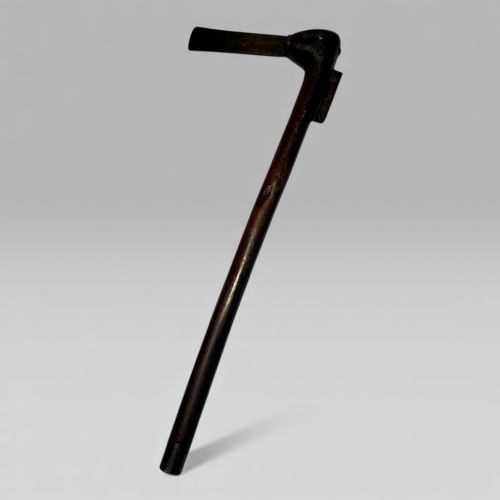
- A Fijian war club fashioned from the natural root-stock of a tree to maximise the density and weight of the striking head. This method created a formidable weapon for close combat.
Antique Tribal Club: Frequently Asked Questions
How were tribal clubs used?
These implements served multiple functions within their originating societies, operating as close-range weapons, projectile hunting tools, and symbols of rank or authority. Ceremonial variants also figured in tribal rituals and chiefly messenger duties.
Their specific design often dictated their deployment, with weighted ends suited for striking and balanced shafts optimised for throwing accuracy across distances.
How do I care for wooden clubs?
Maintain stable indoor humidity levels and keep wooden artefacts away from direct heat sources and harsh sunlight to prevent timber shrinkage and splitting. Dust gently with a dry, soft cloth without applying modern chemical polishes or oils.
Preserving the original surface patina requires minimal intervention, allowing the historic wood to age naturally without abrasive cleaning methods.
How can I tell regions apart?
Regional provenance shows in the specific profile of the striking head, the choice of indigenous hardwood, and any decorative carving or fibre binding. For instance, Southern African knobkerries feature spherical knobs, whilst Fijian ula clubs display distinctive lobed heads.
Examining the tool marks and surface texture provides further clues regarding the geographic workshop and cultural traditions behind the manufacture.
What defines nineteenth-century pieces?
Nineteenth-century examples display the tool marks of traditional hand-working methods utilised before the widespread adoption of industrial machinery in indigenous woodworking. The integration of materials like trade iron or brass wire can also point toward this period of contact and exchange.
Surface wear accumulated through generations of use helps distinguish nineteenth-century artefacts from later reproductions or tourist items.