


Pacific Tribal Art
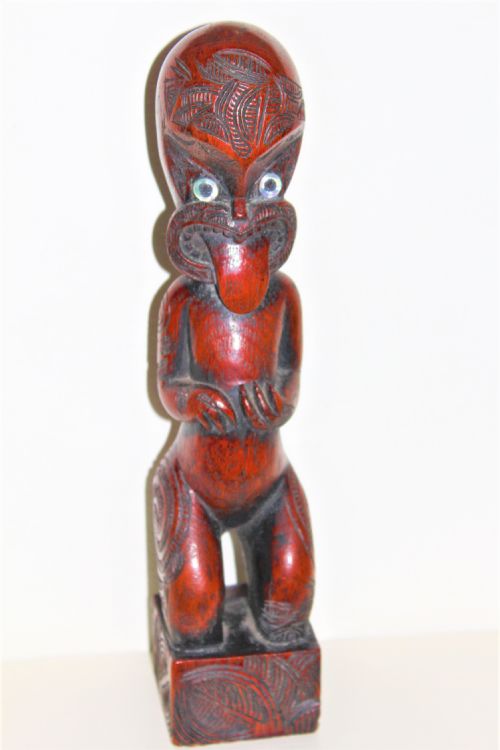
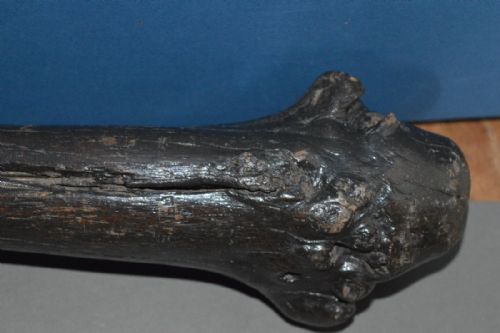
These pieces of pacific tribal art are carved wooden implements and sculptures that bring the raw, utilitarian history of Oceania into a modern interior.
Pacific Tribal Art
When you search for pacific tribal art, you are looking at utilitarian objects, weapons, and figures originating from the islands of Oceania. The selection here leans heavily towards nineteenth-century material, including Fijian, New Caledonian, and Papua New Guinean pieces.
You will encounter fighting clubs, hanging bowls, canoe prow carvings, and Polynesian paddle clubs. These artefacts served distinct ceremonial, martial, or domestic functions before entering the collector market.
The regional diversity spans Melanesia and Polynesia, represented through distinct forms such as the bird head Kanak war club or the Sepik River crocodile carving. Each item carries the specific sculptural language of its island group.
Materials and construction
Makers shaped these objects using dense native hardwoods, often finished with a polished surface derived from handling and natural oils. Materials like fibre, bone, rattan, and pigment appear as functional lashings, inlays, or surface decoration.
Carving was executed entirely by hand using adzes and specialised blades, producing tool marks that remain visible beneath the patina. Structural integrity relied on the natural strength of the wood, selected specifically for impact resistance in clubs and durability in vessels.
Distinctions in quality
The standard of a piece rests on the crispness of the hand-carved detail and the authenticity of the tribal use wear. Stronger examples display purposeful sculptural balance, particularly in the anthropomorphic or zoomorphic heads of war clubs and figures.
Surface history dictates desirability, where deep oxidation and honest handling marks outrank overly cleaned or altered surfaces. The integration of auxiliary materials like fibre binding and original pigment further elevates an item's integrity.
The Pacific Tribal Art Glossary
- Ula
- A Fijian throwing club characterised by a spherical root-wood head. Warriors tucked these into belts for close combat.
- Polynesian
- Relating to the sub-region of Oceania comprising islands in the central and southern Pacific Ocean. Artefacts from this area typically show smooth, ribbed geometries.
- Patina
- The surface sheen and colour acquired by wood through age, handling, and exposure to smoke or oils. It serves as a primary indicator of historical depth.
Pacific Tribal Art: Frequently Asked Questions
How were these clubs used?
These clubs served as martial weapons for close-quarters combat or ceremonial status symbols within island communities. Warriors carried specific forms like the Fijian ula or New Caledonian war club into battle.
Over time, many of these implements transitioned from practical utility to diplomatic gift exchange and eventually found their way into European collections.
What wood was used?
Makers selected dense native hardwoods capable of withstanding heavy impact and severe tropical climates. These timbers naturally darkened and developed deep patinas through decades of handling and exposure.
Auxiliary elements sometimes incorporate rattan, fibre, and bone to bind components or add decorative contrast to the carved wooden foundation.
How should I display them?
Mounting these sculptures and clubs securely on custom metal stands allows the three-dimensional forms to be appreciated from all angles. Keep them away from direct sunlight and severe humidity fluctuations to protect the ancient wood.
Allowing sufficient space around each object highlights their sculptural presence without crowding the surrounding interior.