






Tribal Wooden Weapons
Tribal wooden weapons are historical artefacts crafted for combat, ceremony and hunting by indigenous cultures across the globe.
Tribal Wooden Weapons
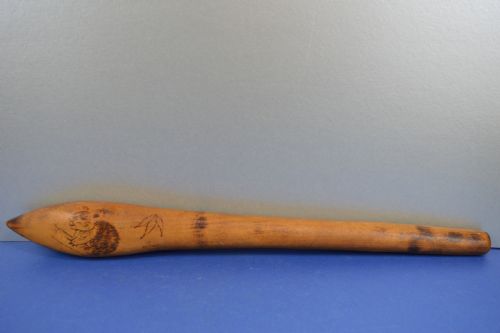
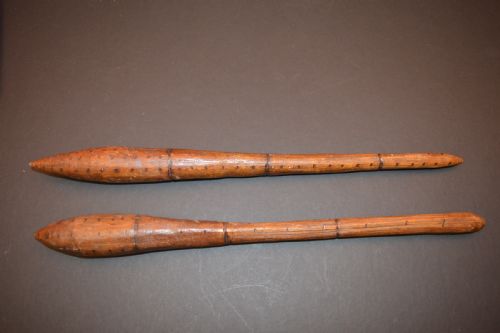
Tribal wooden weapons encompass a diverse array of utilitarian and ceremonial artefacts originating from nineteenth-century African, Oceanic, Australian Aboriginal and North American traditions. These pieces include throwing clubs, war clubs, hunting sets, spear throwers and pipe tomahawks designed for specific cultural contexts.
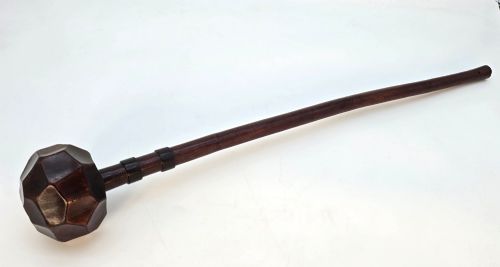
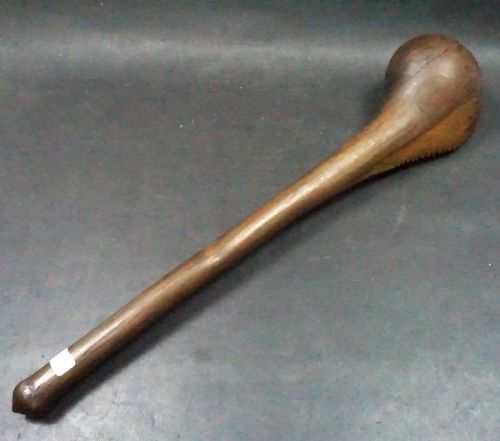
The most common examples encountered in these listings are nineteenth-century Australian Aboriginal nulla-nulla throwing clubs and Southern African Zulu knobkerries. Alongside these clubs, Oceanic islander implements and specific items like Fijian war clubs appear with regular frequency.
Makers shaped these implements from dense indigenous hardwoods to ensure durability in combat or utility use. Many objects incorporate iron, steel, brass, plant fibre or natural resin as functional or decorative enhancements.
Materials and Construction
Artisans selected heavy native hardwoods and indigenous timber to carve these implements, relying on the natural grain strength of the wood to withstand impact. Tools of iron and steel aided the shaping, grooving and detailing of club heads and shafts.
Additional materials such as brass wire, plant fibre bindings and natural resin frequently appear, securing attachments or reinforcing structural integrity. These secondary components served both functional purposes and decorative roles within the specific tribal art tradition.
The listings span the eighteenth century to around nineteen hundred, featuring African, Oceanic, Aboriginal Australian and Native American origins.
Assessing Quality and Authenticity
Quality in tribal wooden weapons rests on the integrity of the carving, the density of the chosen hardwood and the depth of the surface patina acquired through genuine handling and age. Pieces that retain their original binding, resin or metal components demonstrate higher integrity.
Provenance and regional attribution distinguish standard utilitarian items from exceptional ceremonial examples such as royal Dahomey messenger récades or early Fijian vunikau clubs. The clarity of form and balance in weapons like throwing clubs and war clubs also mark superior craftsmanship.
The Tribal Wooden Weapons Glossary
- Knobkerrie
- A traditional Southern African wooden club featuring a heavy rounded knob at the end of the shaft used for hunting and combat.
- Nulla-nulla
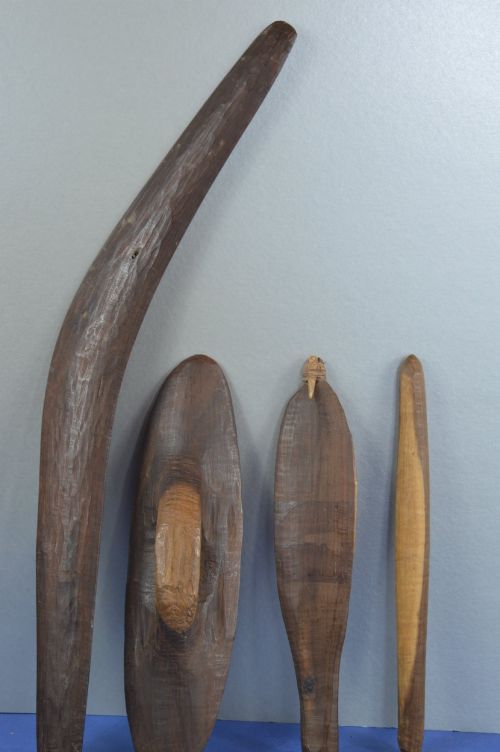
- An Australian Aboriginal hardwood hunting and fighting club designed for close-range combat or game hunting.
- Ula drisia
- A specific type of throwing club originating from Fiji, typically characterised by a lobed root-stock head.
- Woomera
- An Australian Aboriginal spear-thrower that acts as an extension of the arm to increase the velocity and range of a thrown spear.
- Pipe tomahawk
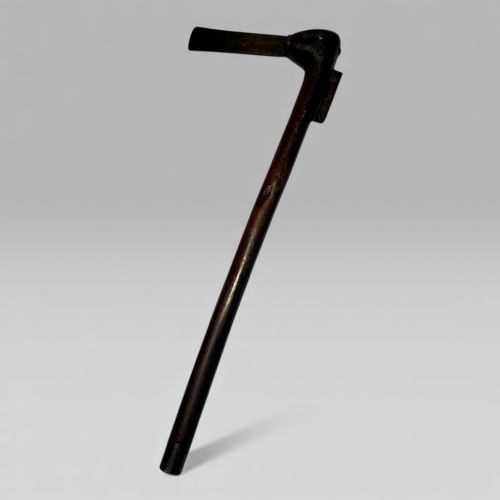
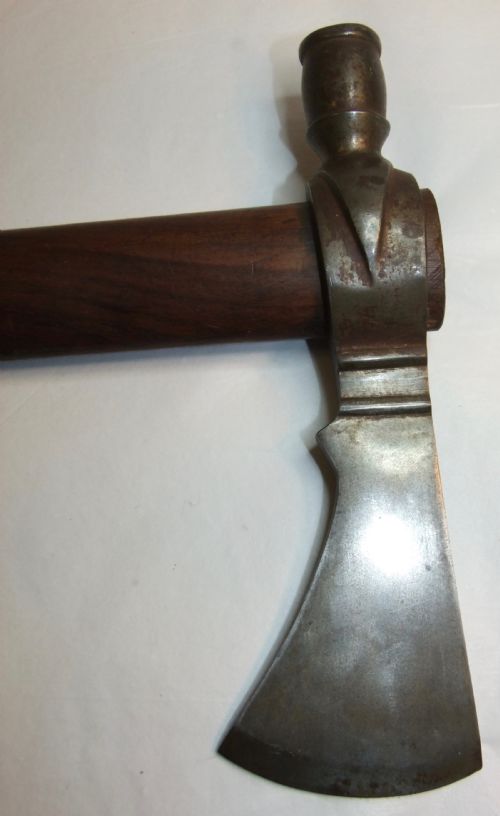
- A multifunctional North American weapon combining a hatchet blade with a tobacco pipe bowl integrated into the poll.
Tribal Wooden Weapons: Frequently Asked Questions
How do I identify a genuine nineteenth-century tribal club?
Examine the wood for natural wear patterns, appropriate tool marks, and a dry, deep patina that develops over decades of handling.
Compare the form and timber against documented examples from specific regions like Southern Africa or the Oceanic islands.
What is the difference between a throwing club and a war club?
Throwing clubs, such as nulla-nullas and knobkerries, are generally shorter and balanced for aerial rotation toward a target.
War clubs are heavier, designed for hand-to-hand combat, and often feature ribbed or bulbous heads intended to deliver crushing blows.
How should I display wooden tribal weapons at home?
Mount them securely on neutral backdrops using non-invasive custom brackets that support the weight without damaging the timber.
Keep them away from direct sunlight and maintain stable indoor humidity to prevent the hardwood from drying out or splitting.
Are metal elements common on tribal wooden weapons?
While most pieces are predominantly timber, some items incorporate iron, steel, or brass components.
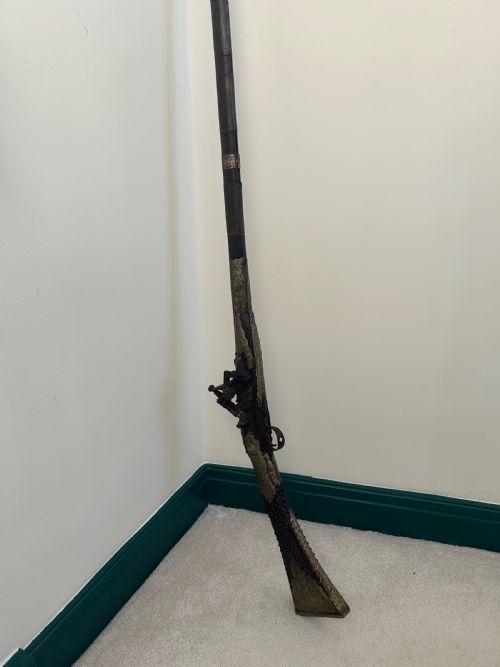
Trade interactions and local metalworking introduced these materials into nineteenth-century designs like Jezail rifles and specific ceremonial axes.