




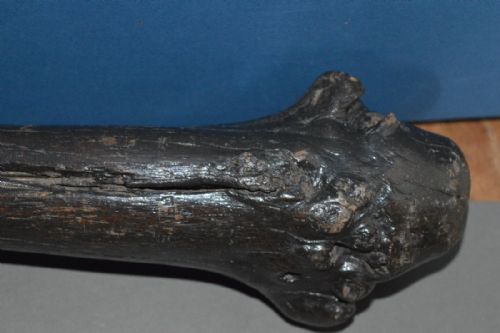
Brown Hardwood Clubs
These brown hardwood clubs are functional artefacts of global reach, prized by collectors for their sculptural form and cultural history.
Brown Hardwood Clubs
When you search for brown hardwood clubs, you encounter ethnographic objects and tribal art spanning the eighteenth century to the Victorian era. These pieces encompass fighting clubs, war clubs, throwing clubs, and police truncheons from various regions including Oceania, Australia, and South Africa.
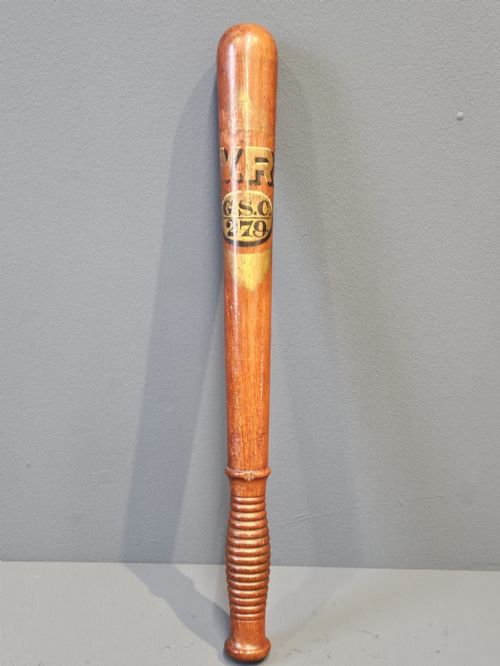
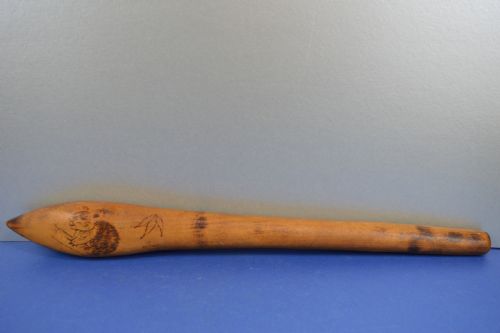
The items most frequently met on this page include Australian Aboriginal nulla nulla throwing clubs, nineteenth-century oceanic island fighting clubs, and nineteenth-century Victorian mahogany truncheons. Each object reflects distinct regional traditions of weapon-making and utilitarian craft.
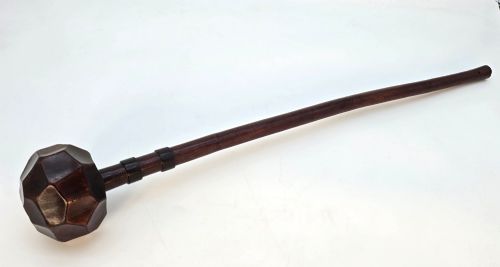
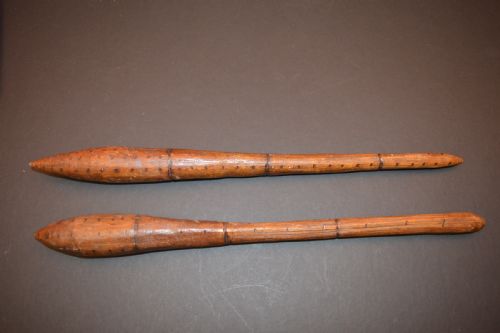
The selection ranges from early full-size Fijian war clubs dating to the late eighteenth century down to nineteenth-century Zulu knobkerries and Polynesian paddle clubs. Their forms vary from functional police memorabilia to traditional tribal artefacts shaped for combat or ceremonial use.
How they were made
These pieces are fashioned from dense native timbers such as mahogany, indigenous hardwood, and general polished hardwood, selected for their weight and durability. Makers shaped the raw timber using traditional cutting and carving implements to achieve the required balance and striking head.
Some examples incorporate supplementary surface treatments, utilising paint and gilding to accentuate carved details or designated grip areas. The workmanship relies entirely on manual shaping, resulting in organic tool marks and varied surface patinas developed through handling and age.
One war club takes the form of a bird head, proving that even a weapon can benefit from a sharp beak.
What varies in quality
The distinction between average examples and superior pieces rests upon the crispness of the carving, the integrity of the timber, and the depth of the original surface patina. Denser grained woods and well-defined sculptural heads, such as bird head motifs on war clubs, indicate higher grade execution.
Age and provenance further differentiate the examples, with eighteenth-century specimens demonstrating earlier tool techniques compared to later Victorian counterparts. The preservation of original surface finishes, such as early paint or natural polished wear, directly influences the standing of an individual club.
The Brown Hardwood Clubs Glossary
- Knobkerrie
- A traditional southern African club featuring a heavy knob at the end of a wooden shaft. This form served primarily as a weapon for hunting or combat.
- Nulla nulla
- An Australian Aboriginal wooden club or throwing stick used for hunting and fighting. These items are typically characterised by a rounded or pointed head.
- Ula
- A traditional throwing club originating from Fiji, distinguished by its bulbous root-stock head. Warriors utilised these for both ranged throwing and close-quarters combat.
- Truncheon
- A short, thick wooden club carried as a weapon by police officers and authority figures. Victorian examples are frequently turned from dense mahogany.
- Ethnographic art
- Artefacts created by indigenous peoples, reflecting cultural traditions and utilitarian needs. These objects range from functional weapons to decorative tribal pieces.
Brown Hardwood Clubs: Frequently Asked Questions
How were brown hardwood clubs used?
The objects served functional roles ranging from warfare and hunting to civilian law enforcement. Throwing clubs and war clubs were designed for combat or procuring game, while truncheons maintained public order.
Over time, many of these utilitarian implements transitioned from active service into collected ethnographic objects and decorative displays.
How do I date these clubs?
Dating relies on stylistic markers, recorded provenance, and the specific tool marks left on the timber surface. Eighteenth-century examples display distinct wear patterns and construction methods compared to Victorian era pieces.
Material analysis of the hardwood and any applied finishes like paint or gilding also assists in establishing the approximate period of manufacture.
How should I care for a hardwood club?
These wooden objects require stable indoor humidity and protection from direct sunlight to prevent the timber from drying out or splitting. Gentle dusting with a dry cloth preserves the natural patina without stripping surface oils.
Avoid applying modern polishes or chemical treatments, as these can damage historical finishes and paint remnants.