






Antique Ethnographic Art
Antique ethnographic art brings together historic pieces from cultures across the globe, offering a tangible connection to traditional craftsmanship and ritual life.
Antique Ethnographic Art
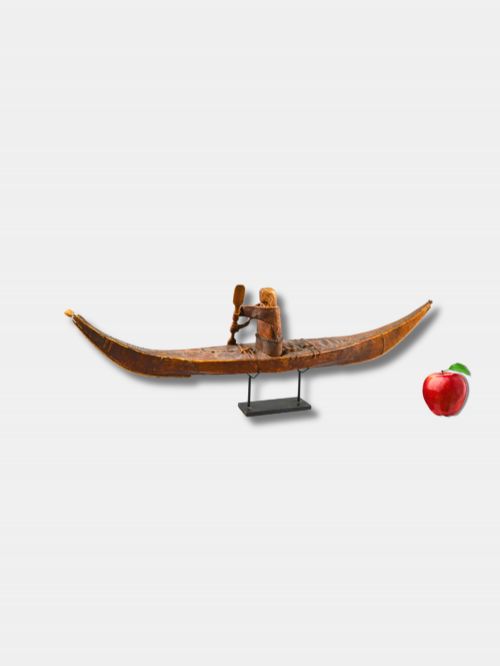
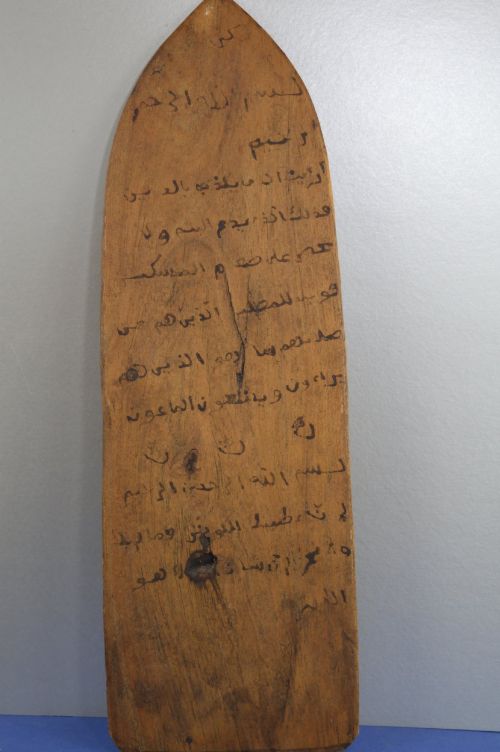
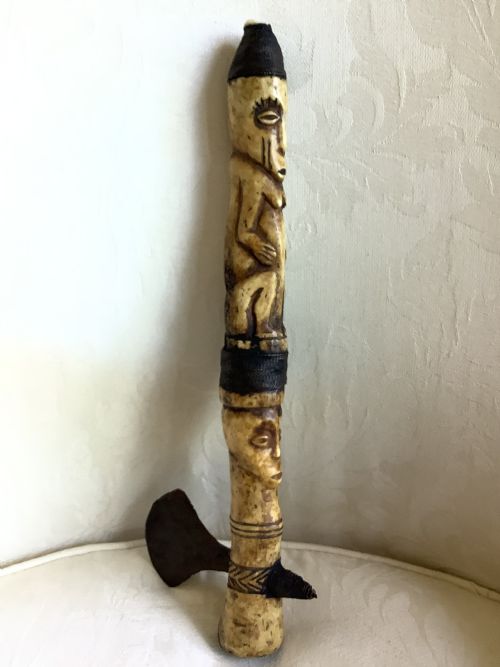
When you search for antique ethnographic art, you encounter a diverse range of objects originating from various global cultures and indigenous traditions. The selection spans distinct geographic regions, including African tribal art, South East Asian pieces, 19th Century Inuit work, Indigenous Australian items, and Southern African tribal artefacts. These pieces take many forms, from sculptures and tribal weaponry to religious artefacts, framed pictures, and ethnographic objects.
You are most likely to meet 19th Century items on this page, alongside objects dated around 1900, 1920, and 1930, with occasional 18th Century examples appearing in the listings. The materials reflect the traditional resources of their makers, utilising hardwood, wood, iron, fibre, carved wood, bone, paper, and glass. Such items range from functional tools and weapons like war clubs and throwing clubs to ceremonial masks, fertility figures, and scholarly boards.
Materials and construction
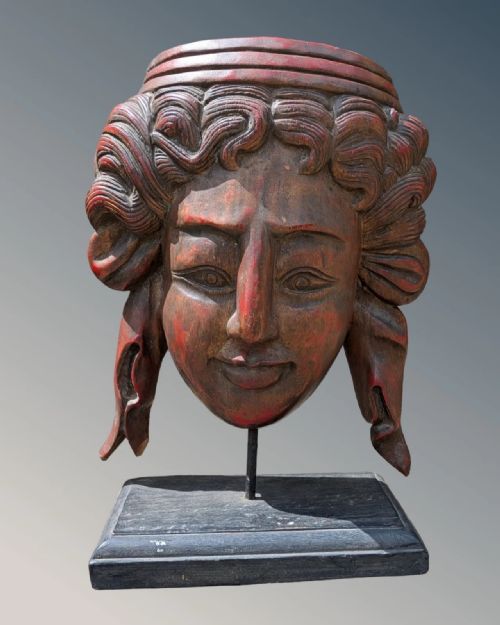
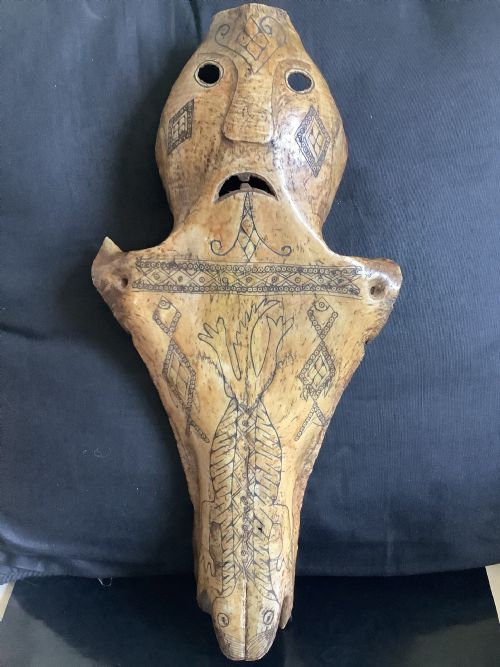
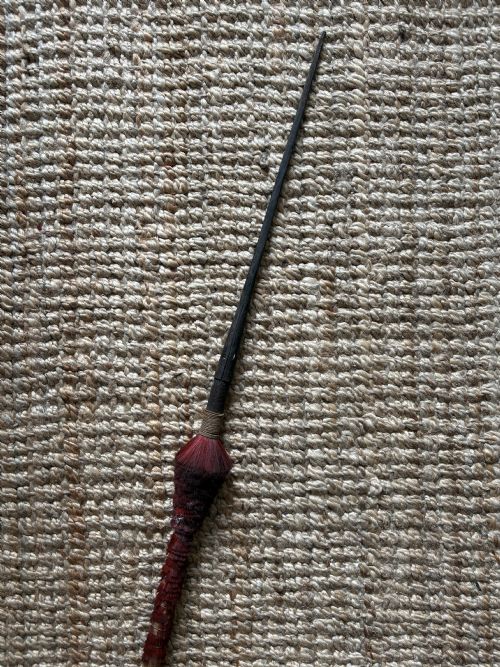
The makers of these artefacts relied heavily on organic and locally sourced materials, primarily shaping items from hardwood, carved wood, and bone. Wood is frequently carved into intricate masks, helmets, and bowls, sometimes enhanced with polychrome pigments and giltwood or combined with fibre elements as seen in weapon shafts.
Metalworking and specialised organic preparations also feature prominently, utilising iron for spears and wrist knife bracelets, alongside tanned seal skin and vegetable dye bristles. Paper and glass appear in framed prints, watercolours, and lithographs, capturing external European perspectives of indigenous peoples during the nineteenth century.
Listings feature items from the 18th, 19th, and early 20th centuries, created in wood, bone, iron, and fibre across multiple global regions.
Assessing quality
Quality in these artefacts rests upon the authenticity of the traditional craftsmanship and the integrity of the materials used. Pieces that display confident, purposeful carving and natural wear from actual use or ceremonial function tend to hold greater interest than later commercial productions.
The sophistication of the design and the preservation of original surface treatments, such as vegetable dyes, polychrome pigments, or patinated bone and iron, distinguish finer examples. The clarity of geographic attribution and the preservation of delicate organic components like fibre or seal skin also influence the standing of an item.
The Antique Ethnographic Art Glossary
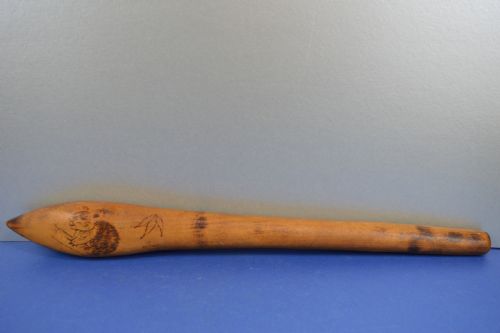
- Nulla-nulla
- A traditional Australian Aboriginal hardwood club used for hunting or fighting. These throwing clubs are typically dense and heavy.
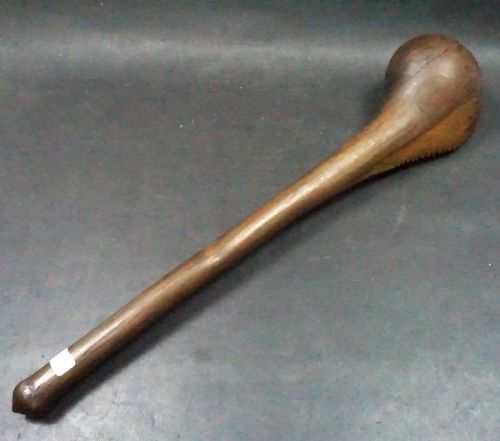
- Knobkerrie
- A traditional Southern African wooden club featuring a heavy knob at one end. They served as both weapons and status symbols.
- Polychrome
- Decorated in multiple colours. In these pieces, it usually refers to painted wooden masks or sculptures.
- Lithograph
- A printmaking process where an image is drawn onto limestone or a metal plate and transferred to paper. Examples include historical depictions of African subjects.
- Vunikau
- A traditional Fijian war club fashioned from heavy wood. These historical weapons often date to the late eighteenth century.
Antique Ethnographic Art: Frequently Asked Questions
What is antique ethnographic art?
Antique ethnographic art encompasses cultural artefacts, traditional weaponry, religious items, and sculptures created by indigenous and tribal peoples around the world, largely originating during the nineteenth and early twentieth centuries.
These pieces reflect the distinct social, ritual, and daily practices of their makers, utilising materials native to their specific regions such as hardwood, bone, iron, and fibre.
How should I care for wooden ethnographic pieces?
Wooden sculptures, masks, and clubs require stable environmental conditions with minimal fluctuations in temperature and humidity to prevent the wood from splitting or warping.
Keep them out of direct sunlight to preserve any original pigments, patination, or delicate organic attachments like fibre and skin.
How can I tell the age of these items?
Dating relies on material analysis, tool marks, wear patterns, and historical documentation associated with specific styles, such as 19th Century Inuit work or 18th Century Fijian clubs.
Natural ageing of materials like hardwood, bone, and iron provides strong visual clues regarding the period of manufacture.