


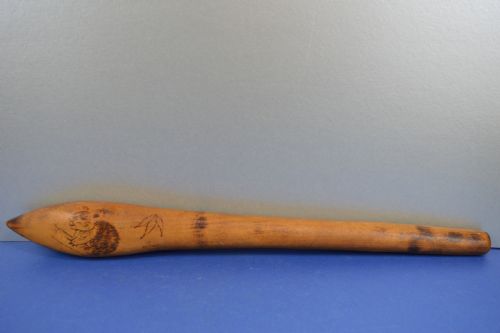


Brown Wood Club
Brown wood club items span utilitarian seating and traditional tribal artefacts crafted from dense hardwoods.
Brown Wood Club
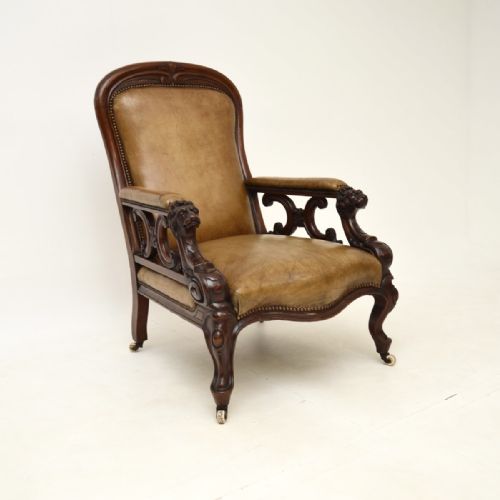
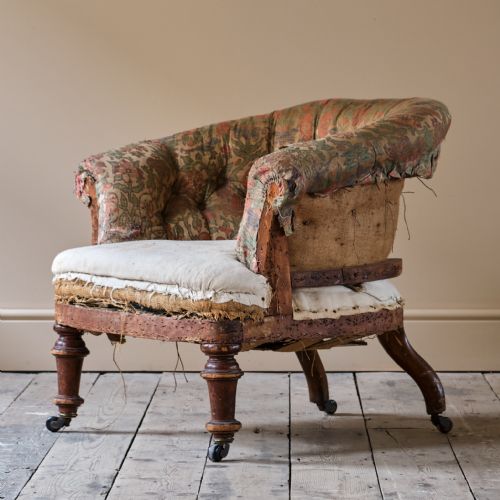
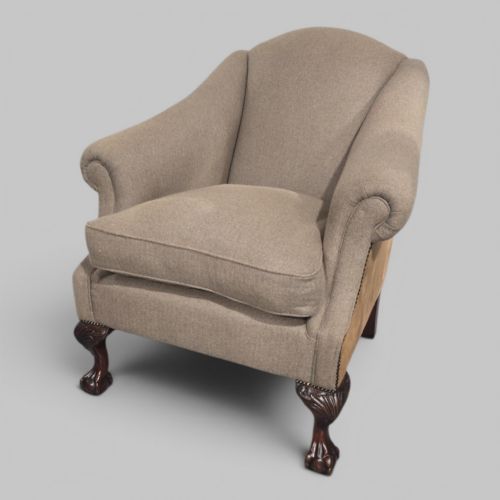
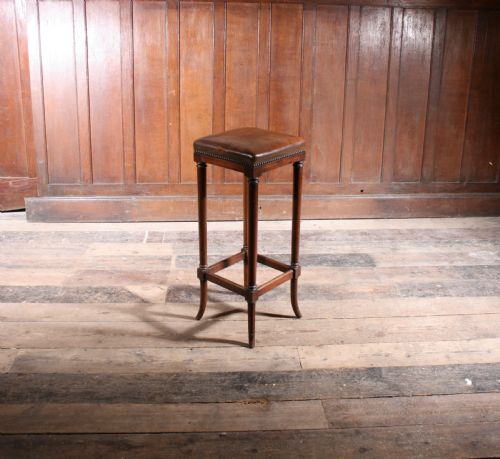
A brown wood club search brings together disparate objects sharing a wooden medium and a heavy presence, ranging from nineteenth-century seating to indigenous weaponry. Buyers find utilitarian furniture like captains chairs and library armchairs alongside tribal artefacts such as Australian Aboriginal nulla-nulla throwing clubs and Fijian ula drisia weapons.
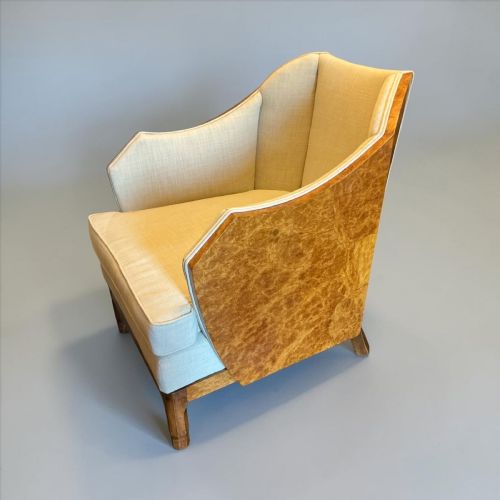
The seating options span Victorian smoker bows and Art Deco leather suites, often constructed in mahogany, beech, elm, and walnut. The ethnographic items represent Oceanic and indigenous traditions, fashioned from dense hardwoods designed for impact or status.
These pieces reflect distinct eras of production, moving from nineteenth-century British workshop furniture to specific tribal origins and early twentieth-century lounge seating. Selecting the right object depends upon distinguishing between domestic seating and traditional carved weaponry.
Materials and construction methods
Makers utilised resilient timbers such as mahogany, elm, beech, ash, and general hardwood, often combining them with supplementary materials like leather, brass, and cane. Seating frames rely on traditional joinery techniques suited to heavy domestic use, whilst tribal artefacts are hand-carved from single blocks of dense timber.
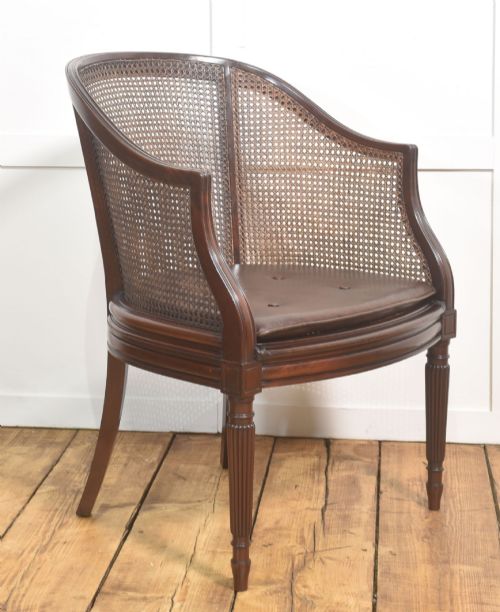
Surface treatments range from hand-dyed brown leather upholstery and carved floral motifs on library chairs to the natural grain exposure of tribal war clubs and paddles. The construction reflects the functional demands of each object type, whether supporting a seated reader or withstanding the rigours of island warfare.
Amongst the library armchairs and reading seats sit formidable war clubs, reminding buyers that wood serves equally well for quiet study and tribal combat.
Judging quality in brown wood club items
Quality rests upon the integrity of the timber and the crispness of the carving, whether applied to Victorian upholstery frames or indigenous ceremonial weaponry. Superior examples display thoughtful selection of grain, such as figured mahogany or well-seasoned elm, alongside expert hand-carving that preserves traditional forms.
Condition and originality distinguish better pieces, particularly in upholstered armchairs retaining their original leather or structural joinery. For ethnographic artefacts, quality is measured by authenticity of form, age-related wear, and the precision of indigenous tool marks.
The Brown Wood Club Glossary
- Smoker bow
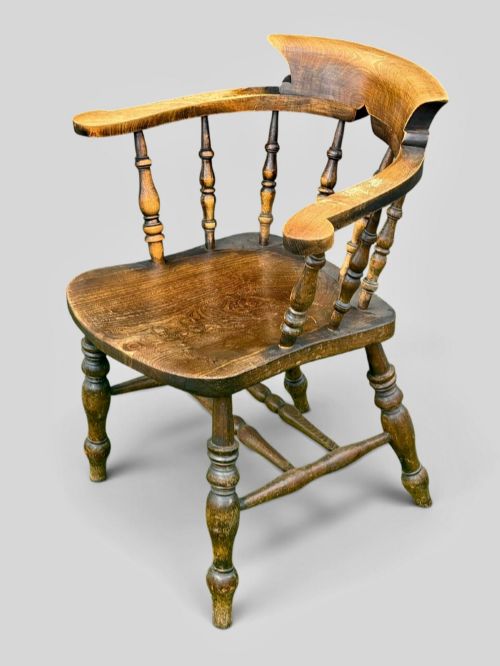
- A sturdy wooden armchair with a low back and turned spindles, commonly found in nineteenth-century English pubs and smoking rooms. These seats typically utilise elm for the saddle seat and beech or ash for the bentwood arms.
- Nulla-nulla
- An Australian Aboriginal wooden club or throwing stick used for hunting, warfare, or settling disputes. These implements are shaped from dense hardwood with a characteristic curved or bulbous head.
- Ula drisia
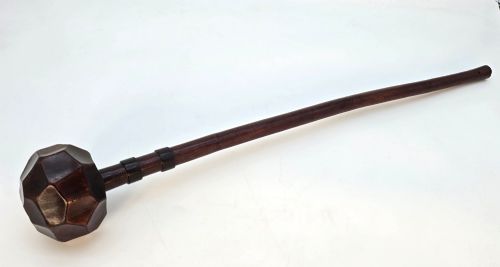
- A traditional throwing club originating from Fiji, featuring a distinctive bulbous root head carved for combat. Warriors hurled these items with rotational force during close-quarters encounters.
- Bergere
- An enclosed armchair with upholstered sides and a cane back, frequently produced during the Art Deco and Edwardian periods. The wooden frame often uses mahogany or walnut.
- Knobkerrie
- A traditional southern African wooden club featuring a heavy knob at the striking end. These defensive and hunting weapons are fashioned entirely from hardwood.
Brown Wood Club: Frequently Asked Questions
What is a smoker's bow chair?
A smoker's bow is a nineteenth-century wooden armchair, similar to a Windsor chair, designed with a rounded spindle back and a solid plank seat. They were standard seating in domestic and public interiors.
These chairs frequently combine elm seats with beech or ash framing, offering a durable and supportive seat for daily use.
How do I identify a tribal club?
Tribal clubs are identified by their specific regional forms, such as the bulbous root head of a Fijian ula or the dense shaft of an Australian nulla-nulla. They are hand-carved from heavy native hardwoods.
Examining the tool marks and the natural wear patterns helps determine the age and geographic origin of the artefact.
What woods were used for these items?
Maker materials include domestic timbers like mahogany, elm, beech, ash, walnut, and general hardwood, alongside specialised dense woods used for Oceanic and African weapons. Leather, cane, and brass often accompany the seating.
The choice of timber depended on whether the maker needed bending flexibility for chair arms or dense impact resistance for a weapon.
How do I care for leather library chairs?
Library armchairs upholstered in brown leather require stable indoor humidity and protection from direct sunlight to prevent the hide from drying and cracking. Gentle dusting and appropriate conditioning maintain the surface.
Avoid harsh chemical cleaners that strip the original dye and finish from vintage leather hides.