





Carved Wooden Club
These pieces of carved wooden club range from nineteenth-century Oceanic islands fighting clubs to South African knobkerries, offering authentic forms sought by collectors of ethnographic art.
Carved Wooden Club
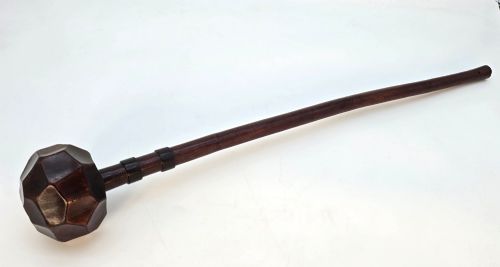
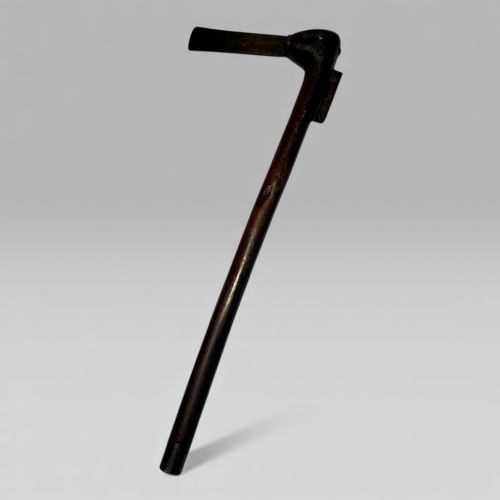
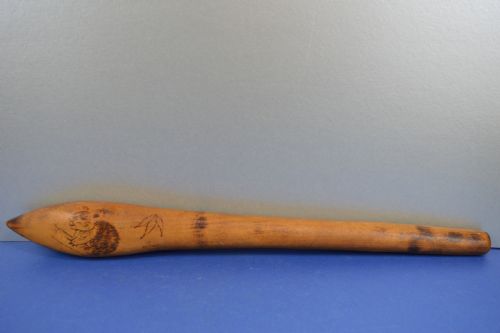
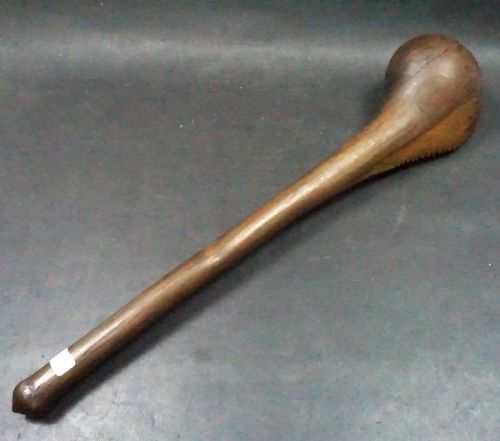
When you search for a carved wooden club, you are looking at utilitarian and ceremonial implements transformed by indigenous craftsmanship into distinct cultural artefacts. These objects encompass items such as the nineteenth-century Oceanic islands fighting club, the Fijian ula drisia, and the South African knobkerrie.
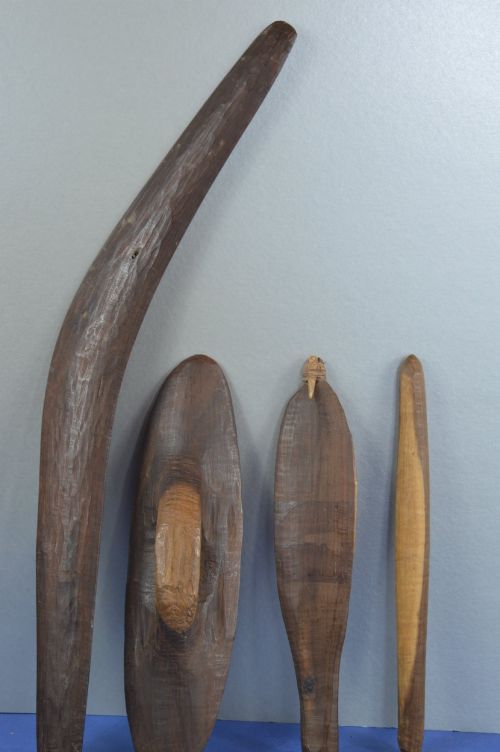
The most common examples you will meet on this page originate from nineteenth-century traditions across the Pacific and Africa. These include Australian Aboriginal nulla-nulla throwing clubs and New Caledonian bird head war clubs shaped from dense timber.
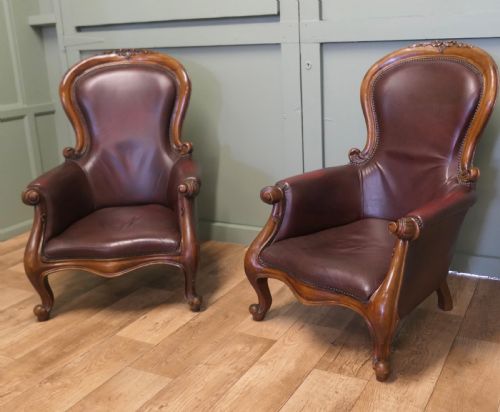
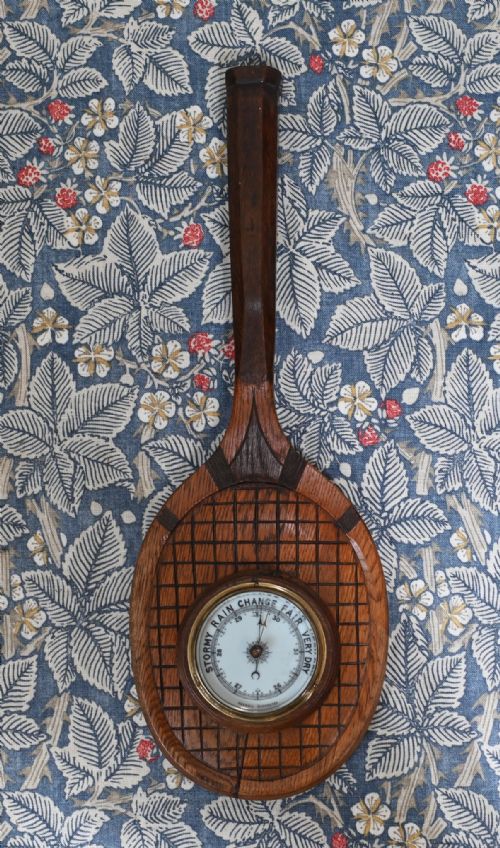
Beyond tribal artefacts, the listings also include distinct forms where the term relates to club rooms or sporting equipment, such as fireplace fenders or barometer tennis racquets. However, the core of the selection remains tribal and ethnographic material culture.
How they were made
Makers shaped these objects primarily from hardwood, selecting dense, resilient timbers capable of withstanding impact. Artisans utilised basic hand tools to carve and shape the grain, sometimes incorporating natural root burls for added mass at the striking head.
Surface finishes vary from polished natural timber patinated through handling to specific instances of polychrome decoration. The construction relies entirely on monolithic carving from a single piece of wood, reflecting traditional woodworking methods.
One unexpected club doubles as an aneroid barometer shaped like a tennis racquet.
What varies in quality
Quality in a carved wooden club rests upon the crispness of the carving, the integrity of the timber, and the depth of the surface patina acquired through age and use. Examples showing clear tool marks and balanced proportions command greater interest from collectors.
Condition plays a central role, distinguishing pieces with original, untouched surfaces from those with modern repairs or excessive cleaning. The natural ageing of the hardwood provides visual depth that cannot be replicated artificially.
The Carved Wooden Club Glossary
- Knobkerrie
- A traditional southern African knobbed walking stick or throwing club. It is carved from hardwood with a distinctive spherical head used for hunting or defence.
- Nulla-nulla
- An Australian Aboriginal wooden club or throwing stick. These implements were utilised for hunting game and in close combat.
- Ethnographic art
- Cultural artefacts created by indigenous peoples. This category includes weapons, ceremonial objects, and everyday items shaped by traditional practices.
- Patina
- The surface sheen and colour developed on wood through age and handling. A deep patina indicates long-term use and historical stability.
Carved Wooden Club: Frequently Asked Questions
How old are these tribal clubs?
The pieces available date primarily from the nineteenth century, with specific examples originating around eighteen hundred to nineteen hundred. Dating relies on stylistic analysis, wood patina, and documentation.
Makers utilised traditional techniques handed down through generations, making exact chronological placement dependent on material wear and known provenance.
How do I display a war club?
Displaying a carved wooden club requires secure mounting brackets that support the weight without damaging the timber surface. Position them away from direct sunlight and fluctuating humidity to protect the wood.
Allowing sufficient space around the piece ensures the carved details and natural grain remain fully visible in an interior setting.
What wood was used for these clubs?
Makers selected dense native hardwoods capable of resisting splintering upon impact. Timbers varied according to the geographic region where the object was produced.
Over decades of handling and exposure to air, these hardwoods develop a dark, rich surface appearance known as patina, which signifies genuine age.