




Carved African Figurine
A carved african figurine brings the tangible energy and sculptural depth of traditional tribal art directly into a modern interior.
Carved African Figurine
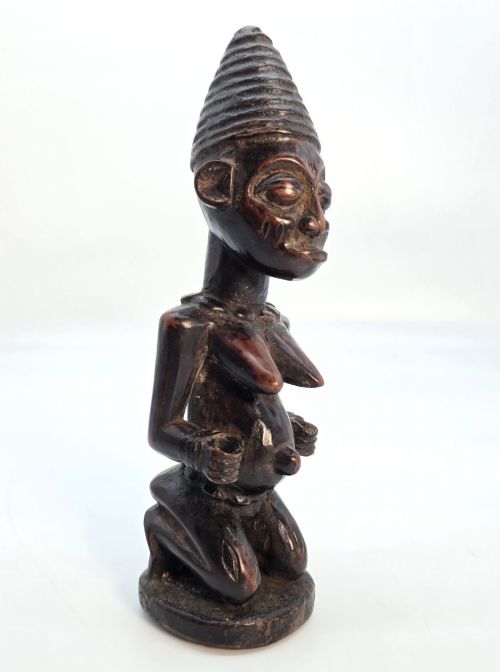
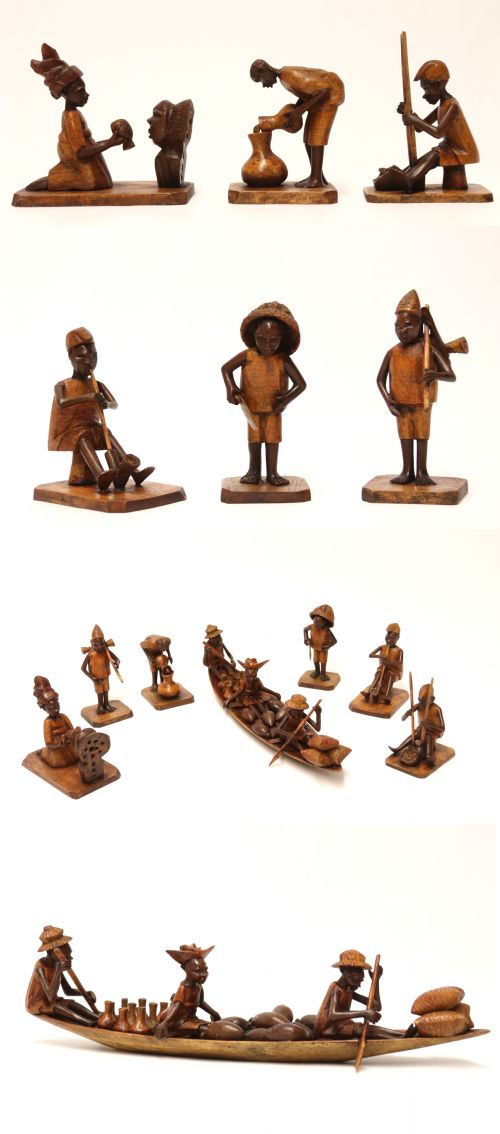
A carved african figurine encompasses a diverse range of wooden and stone sculptures originating from specific cultures and regions across the continent. When searching for a carved african figurine, collectors typically encounter pieces spanning from the late nineteenth century through to the early decades of the twentieth century. These objects include fertility figures, portrait busts, animal studies, and tribal representations carved by distinct groups such as the Yoruba, Edo, and Fante.
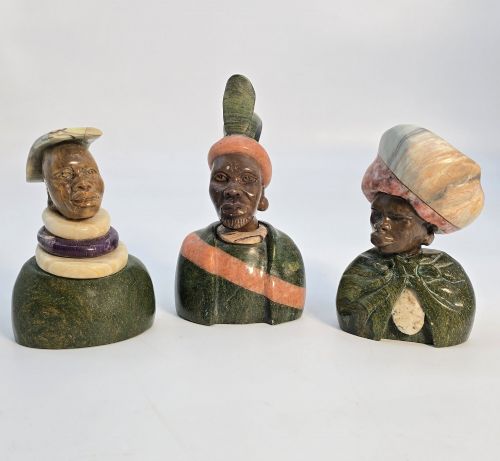
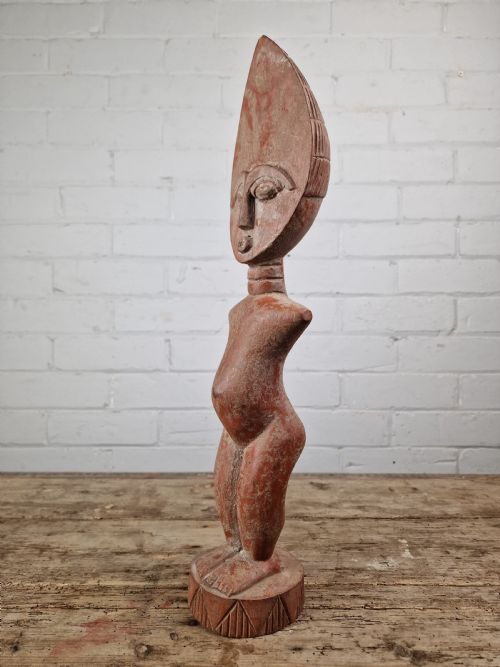
The assortment on this page leans heavily toward mid-to-late nineteenth-century and early twentieth-century examples rendered in hardwood, soapstone, and serpentine. Buyers will find individual figures alongside pairs of seated male and female figurines, groups of portrait busts, and articulated lay figures. Each piece reflects the specific artistic traditions and utilitarian or spiritual functions of its place of origin, ranging from Nigeria and Ghana to Gabon.
Many of these works serve as representations of individuals, ancestors, or cultural archetypes, such as the Maasai warrior or the Yoruba Ibeji figures. Their forms vary from stylised tribal carvings to more naturalistic portrait studies, demonstrating the breadth of regional African artistry. Acquiring one of these sculptures offers a direct connection to historical craftsmanship and culturally significant sculptural traditions.
Materials and methods
Makers utilised dense natural materials, primarily relying on seasoned hardwoods such as mahogany and ebony alongside various indigenous woods. Artisans also worked with stones including soapstone, serpentine, and verdite to produce smooth, tactile portrait busts and animal studies. Bone elements occasionally appear to provide contrast and intricate detail within wooden compositions.
Materials represented include dense hardwoods, soapstone, serpentine, verdite, bone, and natural pigment.
Judging quality in carving
The distinction between average and exceptional work lies in the confidence of the chisel marks and the anatomical proportions of the subject. Master carvers achieved a dynamic sense of posture and facial expression, whereas lesser examples remain stiff and formulaic in their execution. The depth of relief and the subtlety of surface detailing separate standard commercial souvenirs from genuine tribal art.
Age and usage contribute significantly to the character of a piece, observable in the depth of the patination and the integration of surface pigment. Pieces that retain their original dry surfaces and show genuine handling wear carry greater visual authenticity. The choice of material also plays a role, with particularly dense hardwoods and finely grained stones elevating the presence of the finished sculpture.
Abegunde of Ede
The Carved African Figurine Glossary
- Patina
- The surface sheen and colour acquired by wood or stone through age, handling, and environmental exposure. A rich patina indicates long-term interaction and natural ageing.
- Hardwood
- Dense timber derived from broad-leaved trees, used by traditional carvers to ensure durability and fine detail in sculptures. These woods resist warping and hold sharp carved edges.
- Ibeji
- A wooden figure carved by the Yoruba people to represent a deceased twin. These sculptures are often dressed and treated as living children.
- Soapstone
- A soft, talc-based metamorphic rock utilised for smooth stone carvings and portrait busts. Its softness allows for intricate incisions and tactile finishes.
Carved African Figurine: Frequently Asked Questions
What is a carved african figurine used for?
These figures often served spiritual, commemorative, or utilitarian roles within their specific cultural contexts, functioning as ancestral representations, fertility objects, or twin memorials.
Today, collectors appreciate them primarily as sculptural works of art that bring historical depth and texture to interior spaces.
How do I identify the age of these pieces?
Dating relies on observing the tool marks, the depth of the natural patina, and the specific stylistic traits associated with known periods between the late nineteenth and early twentieth centuries.
Wear patterns around frequently handled areas also provide strong visual indicators of a piece's age and historical use.
Which materials are most common?
Hardwood is the predominant material across the selection, often complemented by various indigenous woods and applied pigments.
Stone varieties such as soapstone and serpentine also appear frequently, particularly in portrait busts and animal studies.
How should I display a wooden sculpture?
Keep wooden and stone sculptures away from direct sunlight and extreme fluctuations in temperature or humidity to prevent the material from cracking.
Place them on stable surfaces where their three-dimensional forms and surface patinas can be viewed from multiple angles.