





Vintage Tribal Carving
These vintage tribal carving pieces bring authentic global history and ritual utility directly into modern spaces.
Vintage Tribal Carving
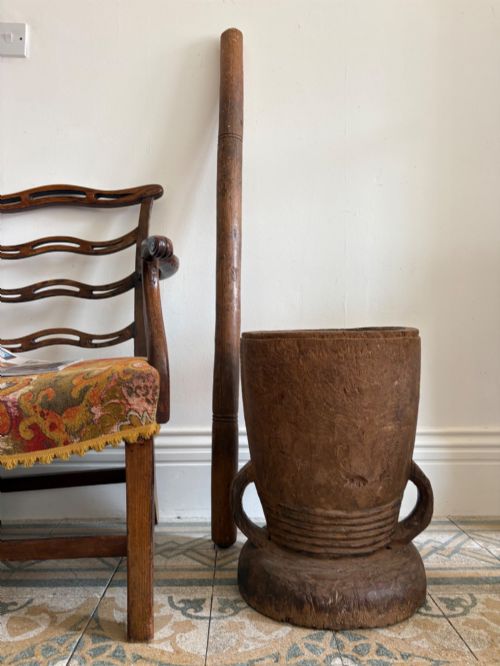
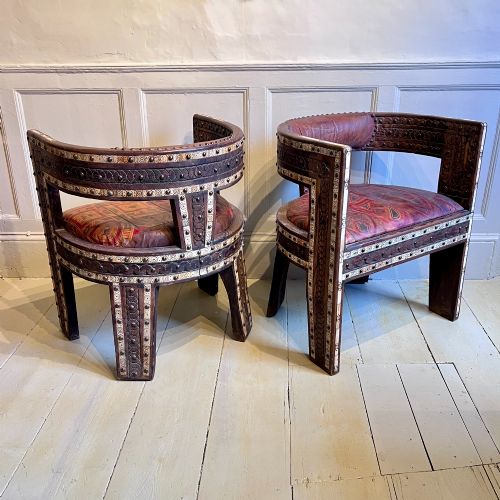
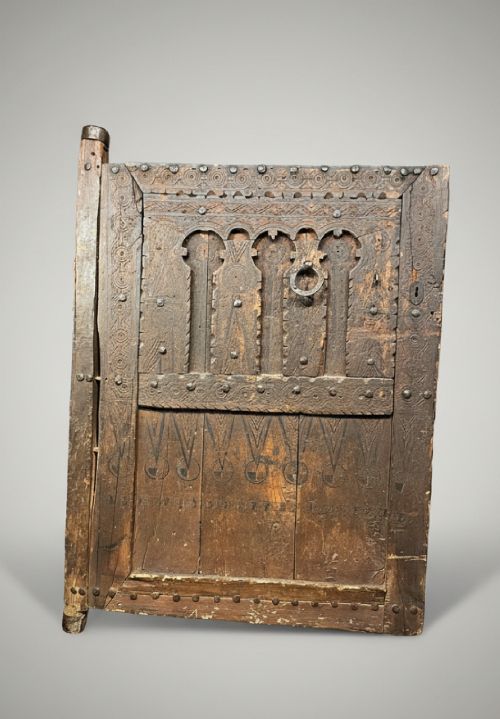
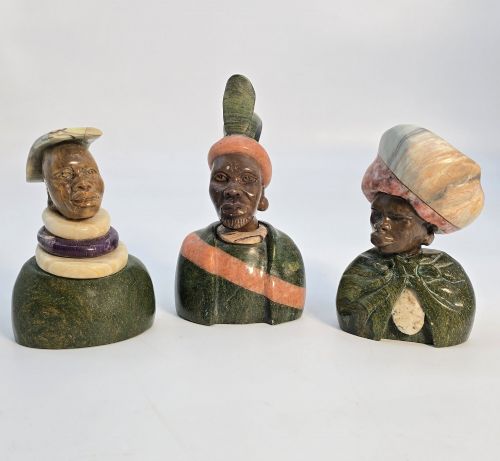
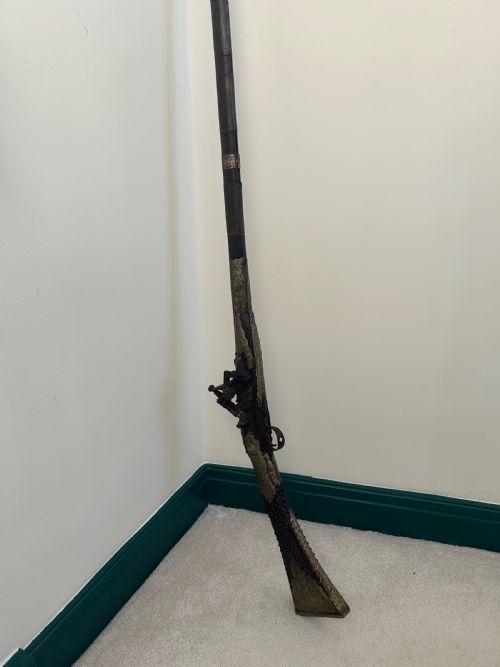
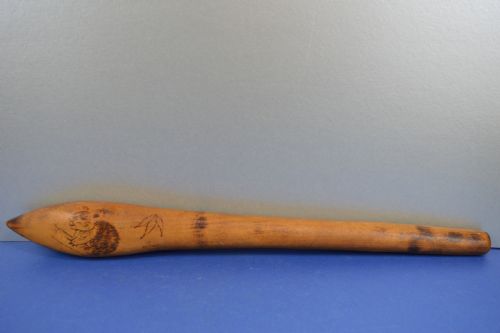
A vintage tribal carving encompasses cultural artefacts, utilitarian objects, and ritual sculptures gathered from African, Oceanic, Indigenous Australian, and Inuit communities. When exploring a vintage tribal carving on this page, the selection spans functional items such as grain mortars, stools, and weapons alongside figural sculptures and masks.
The objects originate from varied periods ranging from the seventeenth century through the Victorian era and into the early twentieth century. Buyers most frequently encounter twentieth-century hardwood figures, nineteenth-century throwing clubs, and functional wooden vessels within these listings.
How they were made
Artisans utilised dense hardwoods, fruitwood, and tree trunks, shaping the material with hand tools to create durable figures, furniture, and implements. Pigment was frequently applied to enhance surface detail on masks and figural sculptures.
Makers integrated organic materials such as bone, antler, brass, iron, and tanned seal skin into specific objects like pipes, spoons, and sculptures. Construction methods relied on traditional joinery and carving techniques native to each region of origin.
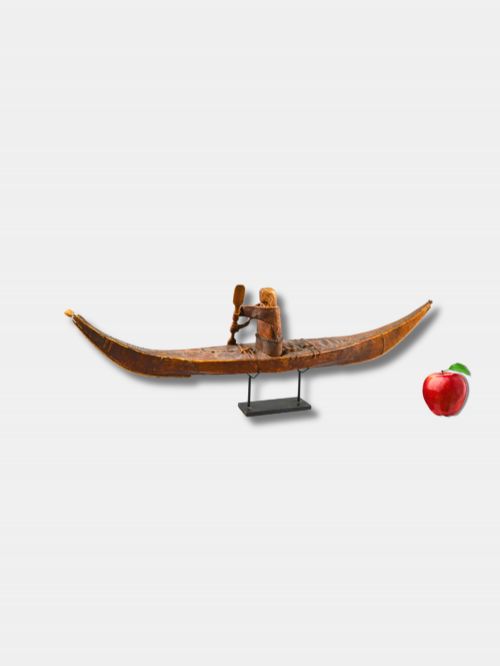
A nineteenth-century Inuit carved whalebone statue shares space with an eighteenth-century long bone object of mystery.
What varies in quality
The integrity of the original material and the preservation of applied pigment or surface patina influence the character of each piece. Objects demonstrating clear cultural function combined with accomplished craftsmanship represent the upper tier of the selection.
The Vintage Tribal Carving Glossary
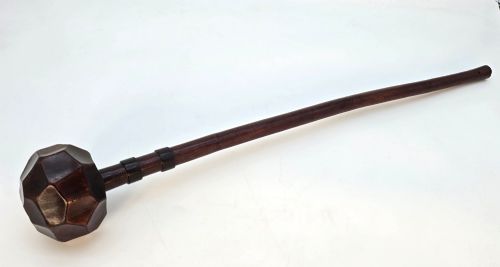
- Knobkerrie
- A traditional African wooden club featuring a heavy knob at one end, utilised for hunting or combat.
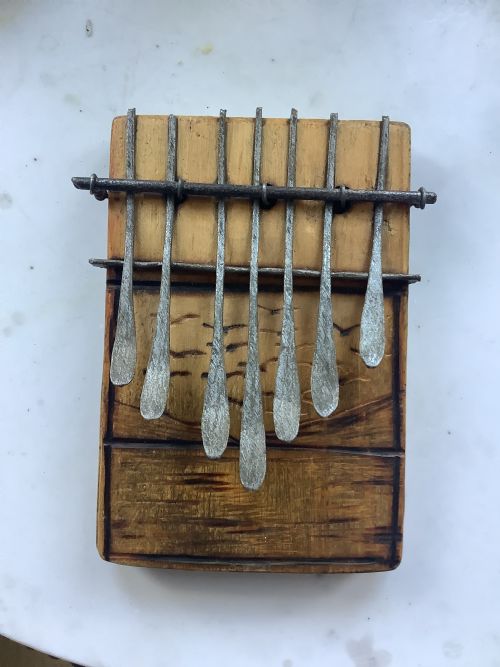
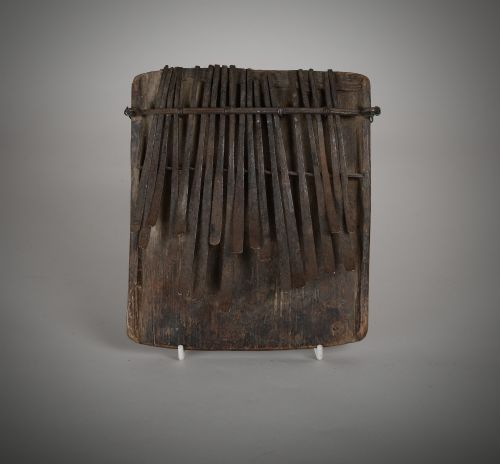
- Mbira
- A percussion instrument consisting of a wooden board with staggered metal keys, plucked with the thumbs.
- Ula Drisia
- A throwing club originating from Fiji, characterised by a lobed or root-ball head designed for warfare.
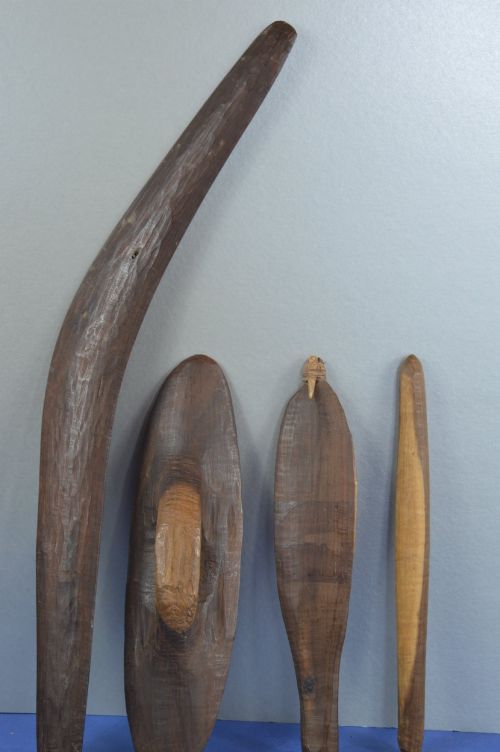
- Nulla-Nulla
- A solid hardwood throwing club or hunting stick associated with Indigenous Australian communities.
Vintage Tribal Carving: Frequently Asked Questions
What are tribal artefacts used for?
Many of these objects served practical, ceremonial, or status-based roles within their communities, ranging from weapons and currency to household vessels and ritual masks.
Collectors display them today as sculptural works of art that reflect the rich cultural heritage and craftsmanship of their makers.
How do I identify a nineteenth-century piece?
Nineteenth-century items often display deep surface patination, tool marks indicative of hand-working, and signs of genuine tribal use over extended periods.
Comparing the specific wood density, material combinations such as bone and antler, and regional style markers helps determine the likely age.
How should I display wooden figures?
Wooden sculptures and stools require stable indoor environments away from direct heat sources and extreme humidity fluctuations to protect the timber.
Placing them on sturdy flat surfaces or mounting them securely allows the carved details to be viewed from multiple angles.
What is the difference between African and Oceanic pieces?
African items listed here include hardwood figures, ritual masks from groups like the Baule and Gouro, and utilitarian items such as stools and grain mortars.
Oceanic pieces frequently encompass war clubs from Fiji and Papua New Guinea, alongside canoe prow carvings from the Sepik River.