
Traditional Wood Folk Carving
Traditional wood folk carving brings together domestic treen, naive animals and regional figures fashioned by hands that followed local custom rather than academy rules.
Traditional Wood Folk Carving
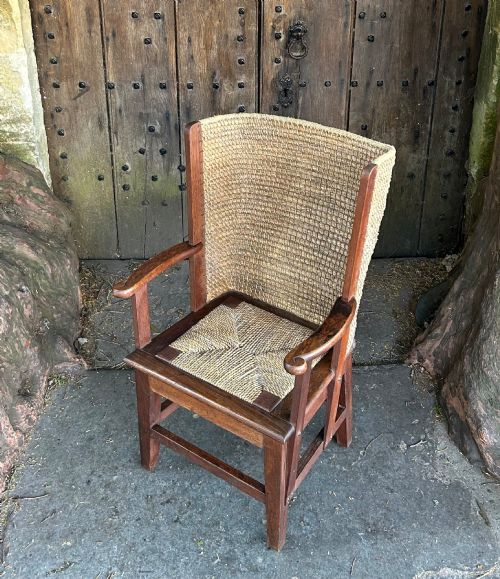
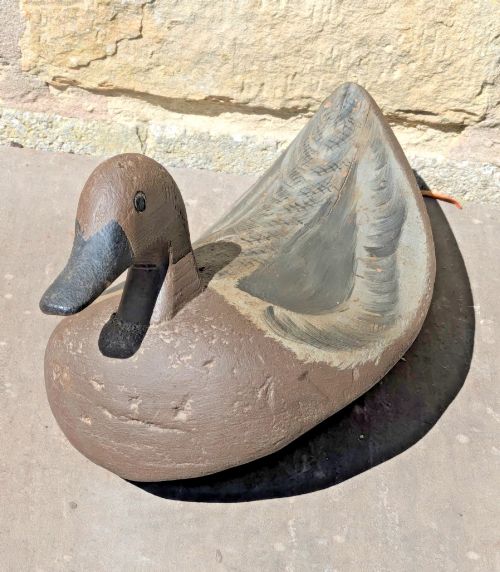
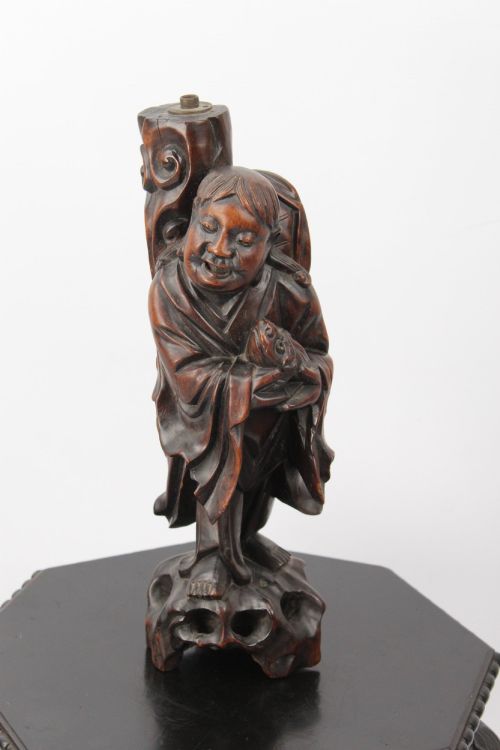
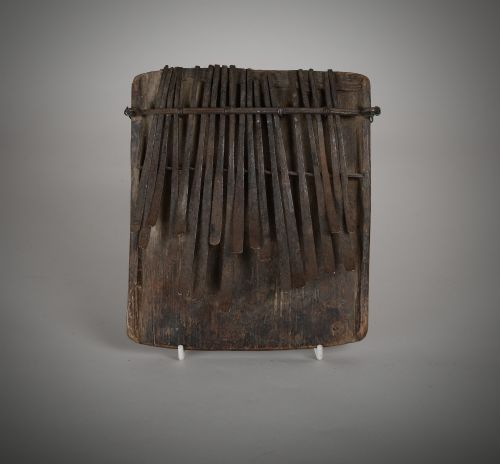
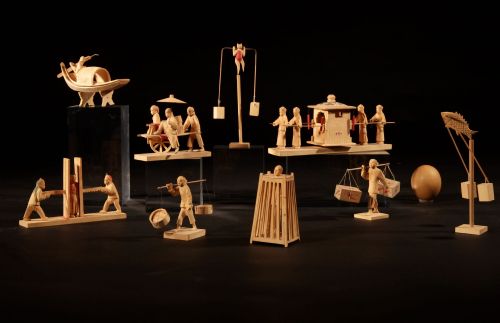
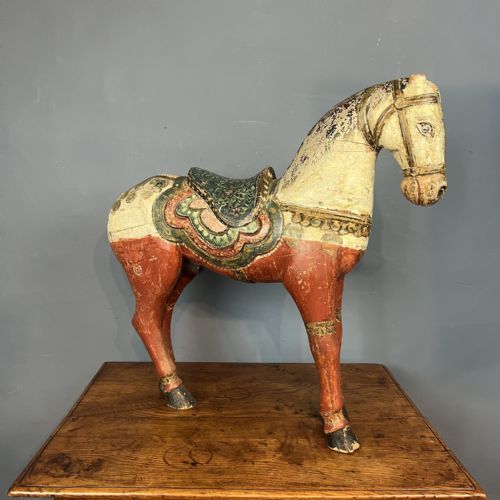
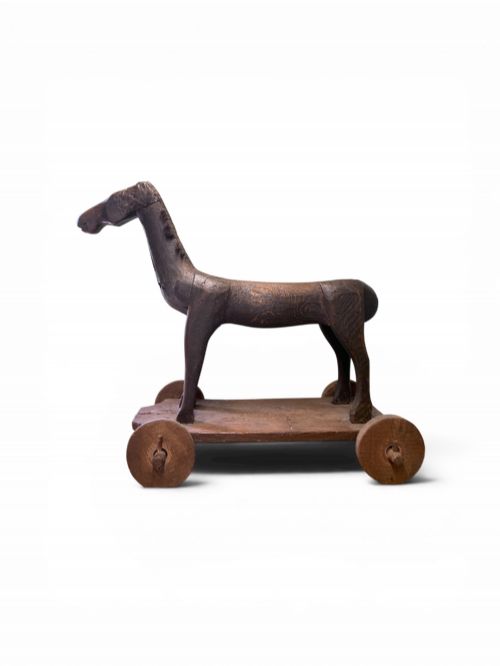
Traditional wood folk carving covers an eclectic mix of functional items, devotional figures and naive sculptures spanning the eighteenth, nineteenth and early twentieth centuries. Objects in this group range from Welsh lovespoons and spinning chairs to decoy ducks, rocking horses and figures originating from European, Asian and indigenous traditions.
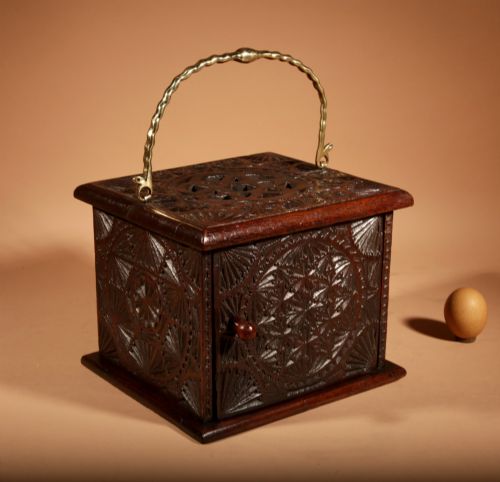
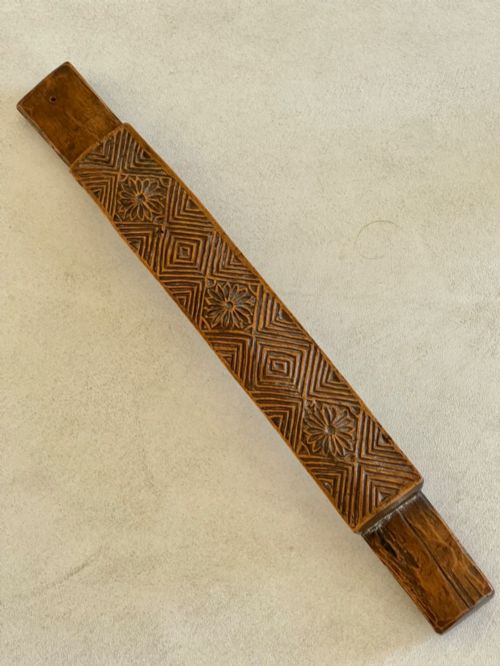
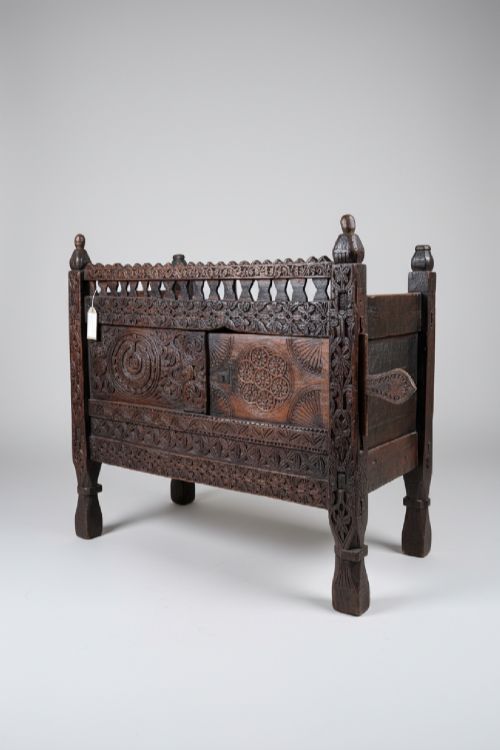
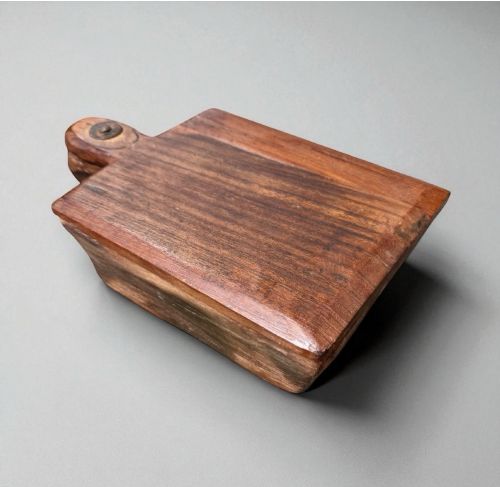
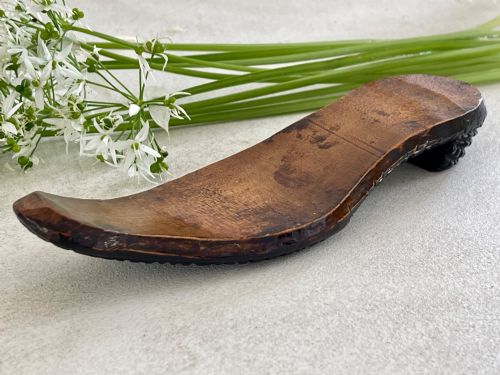
The pieces meeting this description most often display regional traits, such as the chip-carved geometric patterns of Frisian foot stoves or the painted surfaces of Italian cassones and Spanish settles. Utility meets ornament in utilitarian forms like treen knitting sheaths, spice boxes and nutcrackers shaped with playful ingenuity.
Geographic origins vary widely across the selection, moving from British country seating to Scandinavian bobbin thrones, Japanese bear sculptures and Chinese hardwood carvings. Each item reflects the domestic or ritual life of its maker, relying on vernacular styles rather than academic refinement.
Materials and construction methods
Makers utilised available timbers such as oak, yew and native hardwoods alongside softer woods suited to quick knife work and chip carving. Iron and brass hardware occasionally supplement the wooden structures, while applied paint and polychrome wax decoration appear frequently on figures, toys and dowry chests.
Techniques relied on hand tools including gouges, chisels and pocket knives to shape solid blocks of timber into figures, vessels and furniture. Surface finishing ranged from plain waxed patination to detailed hand-painting and incised chip carving.
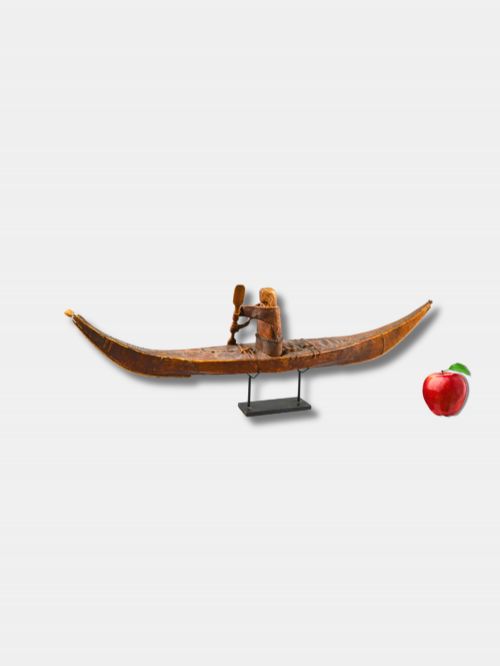
Composite pieces combine wood with materials like bone and tanned seal skin, particularly in northern items, while other objects integrate turned elements such as bobbin turnings on chairs and bobbin winders.
What separates examples
Quality rests in the conviction of the hand and the liveliness of the carving rather than adherence to strict anatomical proportions. A naive figure succeeds through expressive posture and character, whereas a stiff or lifeless rendition lacks the engaging presence collectors seek.
Surface preservation dictates much of the appeal, with original undisturbed paint, natural wax patination and honest wear outranking heavily stripped or overly restored finishes. The depth and clarity of chip carving or incised detailing also separate routine items from more accomplished works.
The Traditional Wood Folk Carving Glossary
- Treen
- Small handmade wooden household objects created for functional use. Examples include spoons, knitting sheaths and foot stoves.
- Chip carving
- A decorative technique where small chips are removed from a flat wooden surface with a knife to form geometric patterns.
- Lovespoon
- A carved wooden spoon traditionally presented as a token of romance or betrothal, often featuring intricate interlaced motifs and symbols.
- Cassone
- A large decorated chest or marriage chest used historically in Italy to store household linens and dowry items.
- Hibachi
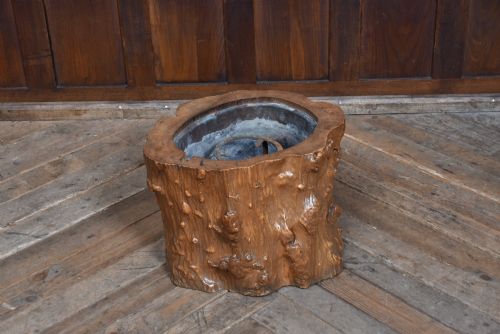
- A traditional Japanese heating device or brazier, frequently constructed from wood with a metal lining.
Traditional Wood Folk Carving: Frequently Asked Questions
What is traditional wood folk carving?
Traditional wood folk carving refers to utilitarian and decorative objects shaped by regional makers using local timber and vernacular methods. These pieces include everything from domestic treen and lovespoons to naive animal sculptures and figures.
Items typically date from the eighteenth to the early twentieth century and embody the cultural practices and aesthetic traditions of their specific geographic origins.
How were these wooden pieces used?
Many objects served practical daily functions within the home, such as spinning chairs for domestic textile work, boxes for spices and presses for moulding food or materials. Other items fulfilled social or decorative roles, including marriage chests, rocking horses and courting gifts.
Even playful carvings like nutcrackers or novelty knitting sheaths combined everyday utility with amusing visual forms designed to entertain the user.
How do I care for antique folk carvings?
Antique wooden carvings require stable indoor humidity levels away from direct sunlight, radiators and dampness to prevent the timber from splitting or warping. Gentle dusting with a dry cloth is usually sufficient for maintenance.
Avoid harsh chemical cleaning products and excessive polishing, as these can strip away original surface patination, wax coatings and historic paint.