


Brienz Wood Carved Figures
These brienz wood carved figures bring the rustic charm of the Swiss mountains directly into your home.
Brienz Wood Carved Figures
When you search for brienz wood carved figures, you encounter sculptural works originating from the Swiss woodcarving tradition often categorised under Black Forest and Alpine folk art styles. These pieces encompass decorative sculptures, figurines, bookends, nutcrackers, and coat hooks depicting domestic and wild animals alongside human figures.
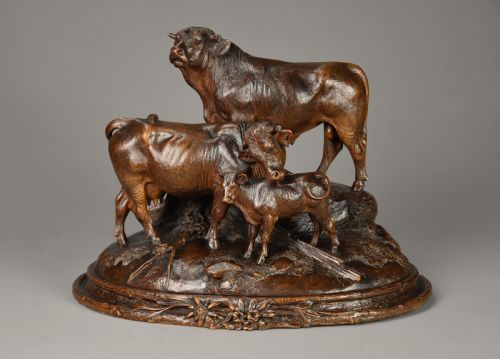
You are most likely to meet figures of bears, cattle, dogs, mountain goats, and owls rendered in various scales from miniature sets to large single carvings. The subjects range from naturalistic fauna to novelty items such as condiment figures and human peasants.
The objects frequently date from the nineteenth century through the Edwardian period and into the early twentieth century. Walnut, lime wood, and linden wood serve as the primary media for these detailed regional sculptures.
How They Were Made
Carvers shaped these figures primarily from linden wood, lime wood, and walnut using traditional hand-carving chisels and gouges to render fine textures such as animal fur and facial expressions. The choice of these soft and medium hardwoods allowed artisans to achieve deep undercut details without splintering the grain.
Selected pieces incorporate metal elements for functional components like nutcracker mechanisms or feature stud eyes inserted into the carved wooden heads. Surface finishes rely on the natural grain of the wood, occasionally enhanced with simple paint applications or dark wax polishes.
What Varies in Quality
The distinction between ordinary and exceptional carving lies in the anatomical accuracy and the depth of relief achieved by the artisan. Superior examples display lifelike tension in muscle structures, careful attention to fur textures, and expressive poses rather than stiff, generic contours.
Makers' signatures or stamps, such as identifiable workshop marks, elevate the standing of a piece by confirming attribution to specific Swiss studios. Furthermore, the complexity of the subject matter, such as multi-figure cattle groups or large pairs of animals, marks the work of more ambitious carvers.
J Huggler
The Brienz Wood Carved Figures Glossary
- Black Forest
- A regional style of woodcarving originating in central Europe, particularly associated with Swiss and German artisans producing animal and forest motifs. The aesthetic embraces rustic realism and functional novelty objects.
- Linden Wood
- A pale, fine-grained timber frequently utilised by carvers for its cooperative texture and lack of prominent grain patterns. It permits crisp detail in small-scale sculptural work.
- Alpine Folk Art
- Traditional craftwork created within mountain communities, reflecting local customs, flora, and fauna through vernacular design. These objects celebrate rural life and local wildlife.
- Stud Eyes
- Inset glass or metal pins utilised as eyes in animal carvings to add a lifelike glint. They appear frequently on carved bear figures from the nineteenth century.
Brienz Wood Carved Figures: Frequently Asked Questions
What animals appear most often in these carvings?
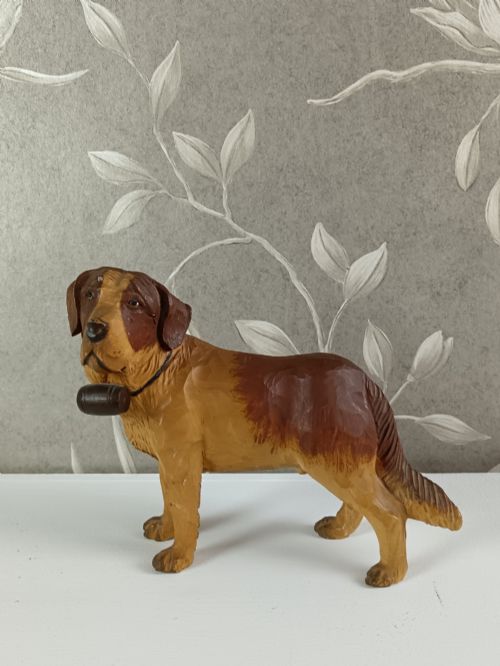
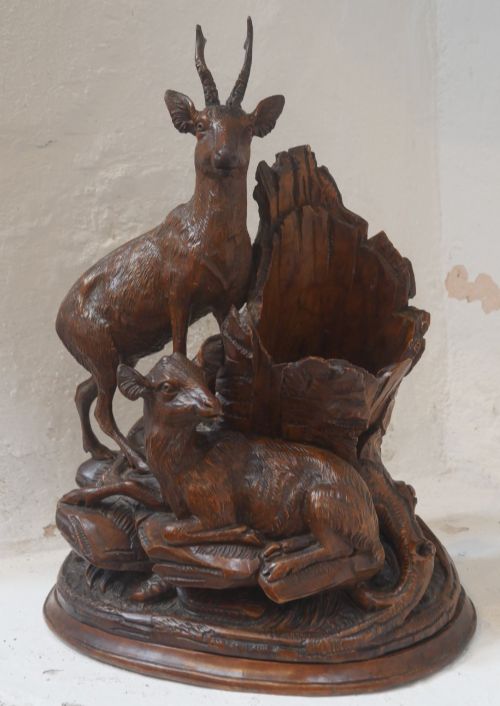
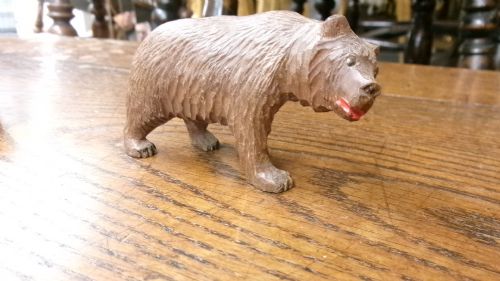
Bears dominate the output of these woodcarvings, appearing singly, in pairs, or in miniature sets engaged in human activities. Other frequent subjects include cattle, mountain goats, St Bernard rescue dogs, ibex, chamois, and owls.
Artisans also occasionally carved human subjects, including peasant couples and historical figures like William Tell.
How do I identify the period of a carving?
Nineteenth-century examples often display deeper, more robust undercutting and darker patination through age and handling. Pieces from the Edwardian era and around nineteen hundred frequently feature stamped workshop marks or paper labels.
Later twentieth-century items tend towards simpler forms with less intricate surface detailing.
Were these figures meant to be functional?
Many of these carved wooden objects served practical purposes in the home alongside their decorative appeal. Common functional forms include bookends, nutcrackers, coat hooks, and novelty condiment containers.
Even purely sculptural figures were designed to sit on mantels, desks, and tables as ornaments.
What woods were used for these figures?
Carvers relied primarily on indigenous European hardwoods that offered a stable and receptive medium for detailed work. Linden wood and lime wood provided a pale, smooth canvas for intricate fur and facial detailing.
Walnut also served as a preferred material, offering a richer natural colour and greater density for items like heavy nutcrackers.