


Indigenous Tribal Art
These indigenous tribal art objects span centuries of global craftsmanship, offering a tangible connection to the heritage and daily practices of diverse cultures.

Indigenous Tribal Art
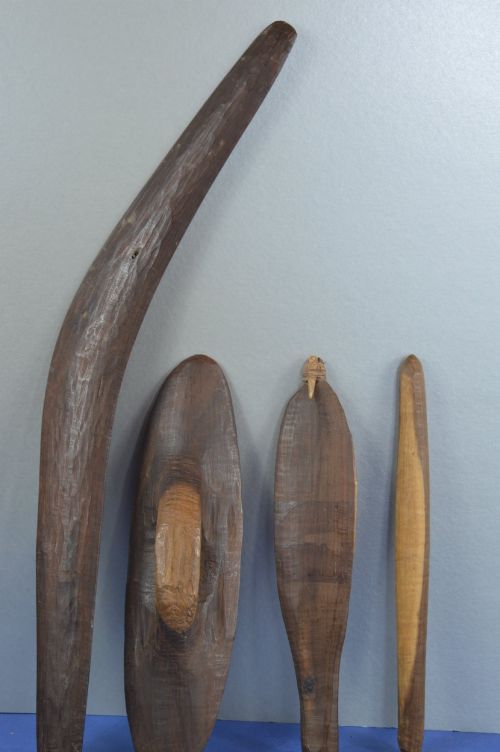
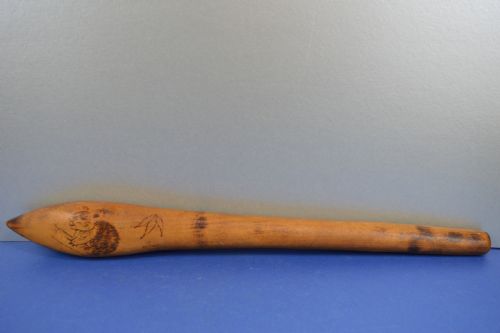
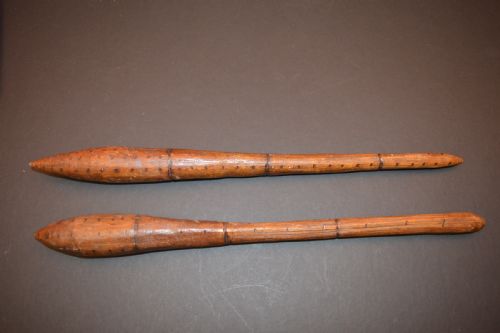
When you search for indigenous tribal art, you encounter a diverse array of ethnographic objects, sculptures, and utilitarian artefacts originating from global regions including Africa, the Americas, Oceania, and the Arctic. The selection frequently includes 19th-century material culture such as throwing clubs, war clubs, woomeras, and carved figures.
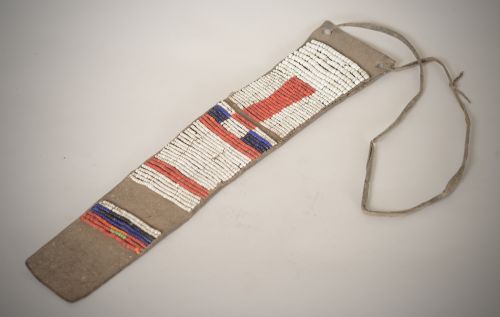
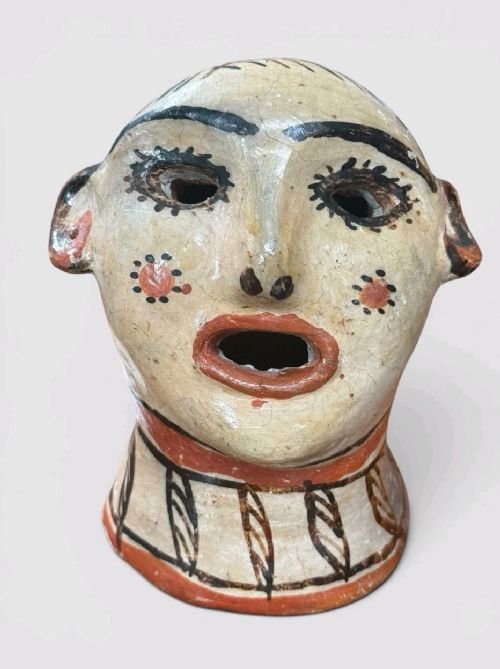
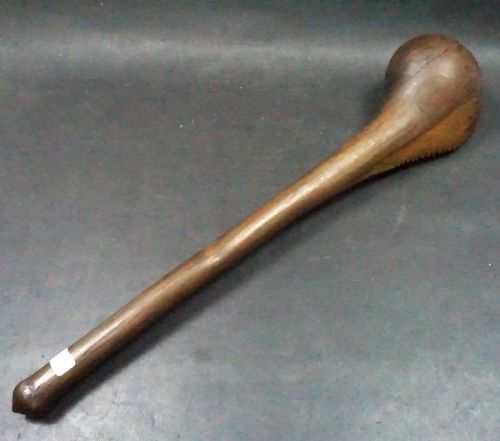
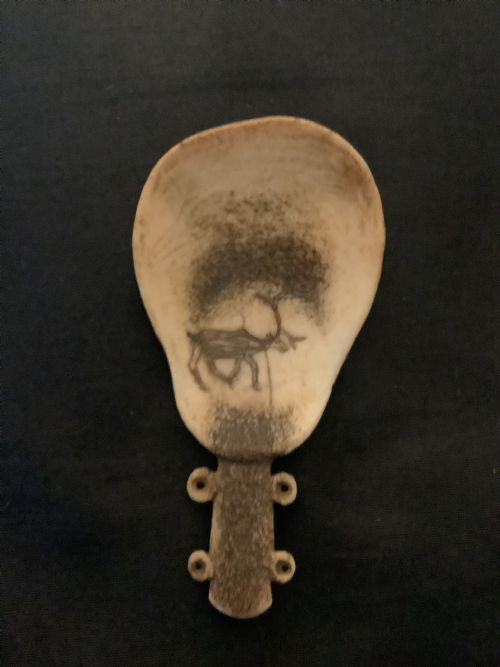
You are most likely to meet wooden weapons, bone implements, and beaded items from the nineteenth century, alongside specific regional pieces like Inuit whalebone statues, Aboriginal nulla-nulla clubs, and Native American beadwork. These pieces range from functional hunting equipment and ritual fertility figures to decorative household items and portrait busts.
The geographic origins span wide traditions, touching upon Southern African, Oceanic, Peruvian, and Inuit cultures. Each category reflects the specific material resources and sculptural languages of its makers, creating a distinct visual vocabulary across the centuries represented.
Materials and Techniques
Makers utilised dense native hardwoods such as those shaped into Fijian vunikau war clubs, Polynesian paddles, and African knobkerries, carving the timber with hand tools to achieve balanced, functional forms. Antler, bone, and whale vertebra served as primary carving mediums for small-scale items like Inuit spoons and shamanic tupilak statues.
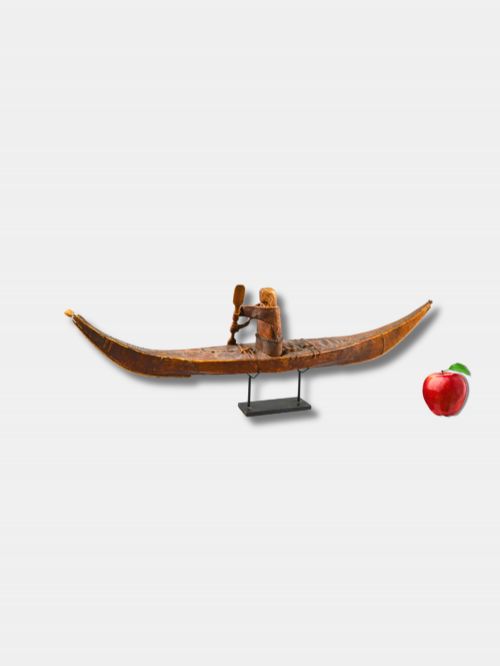
Organic textiles and animal derivatives feature prominently in items such as Native American beadwork, tanned seal skin kayaks, leather, and hide bindings threaded together. Glass beads provide colourful surface ornamentation on textile and hide pieces, while clay forms the basis of Peruvian folk art pottery busts.
Current listings feature indigenous tribal art spanning the 18th, 19th, and 20th centuries, executed in hardwood, bone, hide, and glass beads.
Assessing Quality and Execution
The superiority of an object rests upon the confidence of the carving, the crispness of tool marks, and the organic integrity of the material itself. Master carvers demonstrate superior anatomical proportion and deliberate surface finishing, whereas lesser examples show hesitation or crude execution.
Authenticity of wear and period-appropriate handling marks distinguish masterworks from later adaptations. The integration of traditional materials, such as genuine bone, native timber, and period hide, dictates the academic and historical weight of each piece.
Abegunde of Ede
The Indigenous Tribal Art Glossary
- Woomera
- A spear thrower used by Australian Aboriginal peoples to increase the velocity and range of a thrown spear. It often doubles as a multi-use tool.
- Knobkerrie
- A traditional Southern African wooden club characterised by a heavy rounded knob at one end. They served primarily as weapons or hunting implements.
- Tupilak
- A carved figure from Inuit culture traditionally representing a revenge monster or shamanic spirit. They were fashioned from materials like whalebone and vertebrae.
- Vunikau
- A traditional Fijian war club carved from the root ball of a hardwood tree. This construction method provides exceptional weight and impact resistance.
- Ibeji
- A wooden twin figure carved by the Yoruba people of Nigeria to honour a deceased twin. They often display detailed scarification and traditional regalia.
Indigenous Tribal Art: Frequently Asked Questions
What is indigenous tribal art?
Indigenous tribal art encompasses cultural objects, sculptures, weapons, and utilitarian items created by indigenous peoples worldwide. These artefacts reflect the spiritual beliefs, daily survival methods, and artistic traditions of specific communities.
The category includes items ranging from 18th-century Fijian war clubs to 19th-century Inuit carvings and African tribal figures. Each piece serves as a record of historical material culture.
How do I date tribal artefacts?
Dating tribal artefacts relies on examining the tool marks left by traditional metal or stone implements, the natural patina accumulated through handling, and material composition. Stylistic conventions specific to a century also provide chronological markers.
Documentation of provenance and comparison with dated museum collections help refine the timeline. Organic materials like bone and wood age distinctively over decades of exposure.
How should I display tribal art?
Displaying tribal art requires stable indoor conditions away from direct sunlight and excessive humidity to protect organic materials like wood, bone, and hide. Proper mounting preserves the physical structure of heavy items like wooden clubs and stone or bone sculptures.
Allowing sufficient space around each object highlights its sculptural form and cultural significance. Thoughtful placement lets the individual character of the carving stand out clearly.