




West African Tribal Carvings
West african tribal carvings are traditional wooden sculptures and masks shaped by hand to embody ancestral spirits, carrying the rich ritual history of the region straight into a modern interior.

West African Tribal Carvings
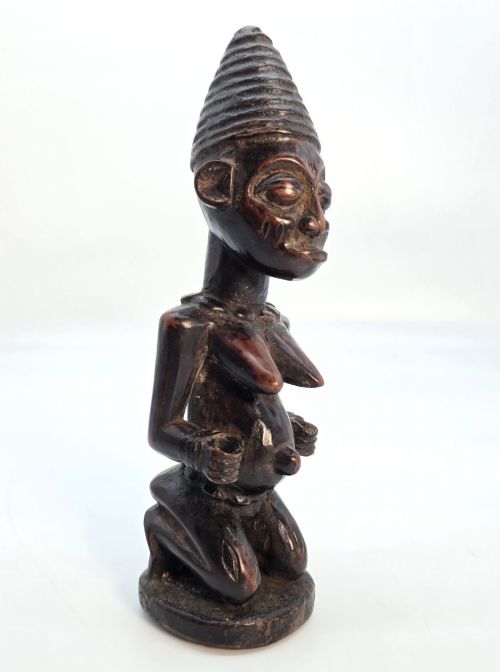
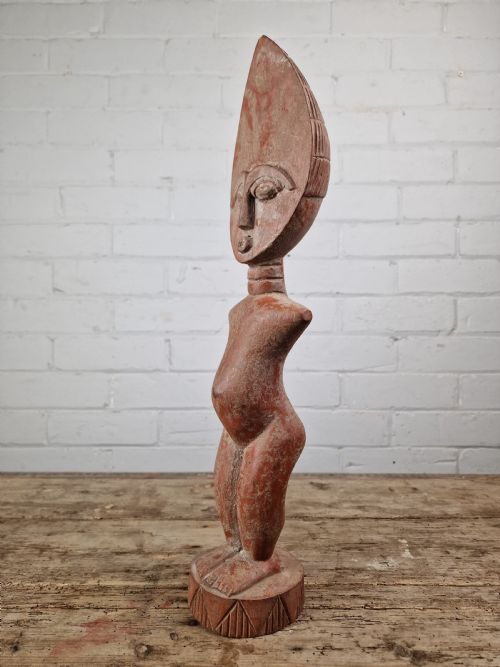
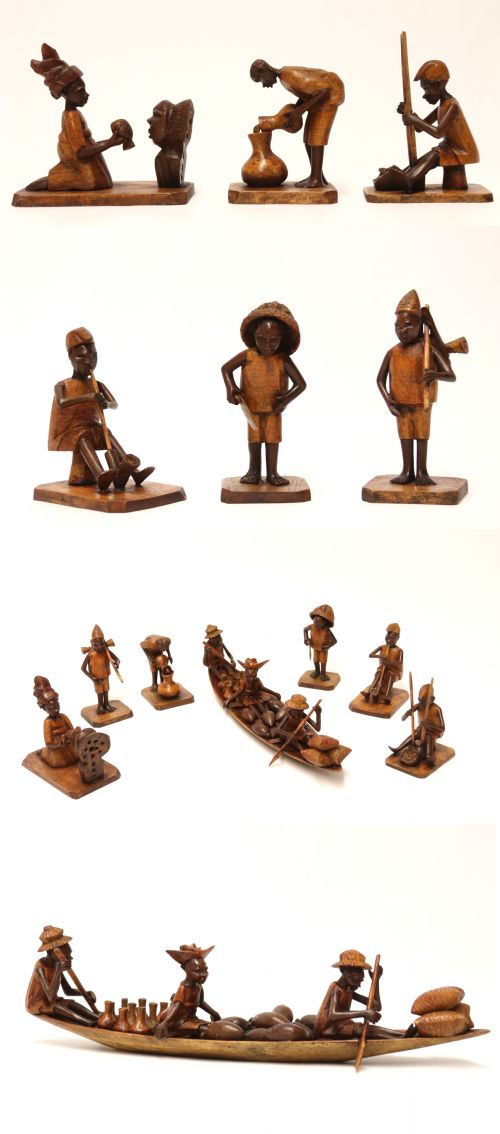
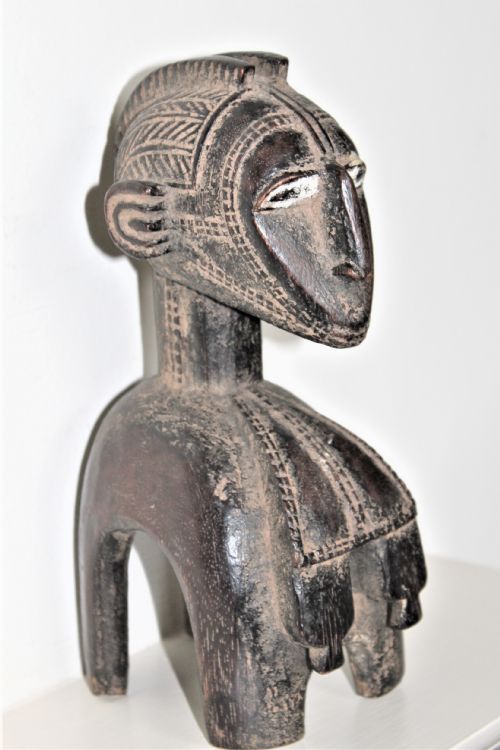
West african tribal carvings encompass traditional wooden sculptures, fertility figures, and ceremonial masks originating from distinct communities across the region. Collectors searching this phrase encounter works representing groups such as the Yoruba, Dogon, Baule, Fante, Ligbi, Gouro, and Baga.
The objects take several sculptural forms, ranging from single standing figures and seated pairs to elaborate shoulder masks and warthog visors. Many of these pieces date from the nineteenth and twentieth centuries, reflecting the enduring craftsmanship of traditional carvers.
Most items on offer showcase the distinct visual vocabulary of West African ethnographic art, where stylized human and animal forms serve specific cultural and spiritual functions. Buyers frequently find figures associated with specific communities, such as Yoruba Ibeji figures or Dogon sculptures from central Mali.
Materials and construction
Many surfaces display the application of natural pigments, kaolin pigment, and coloured earth alongside deep, aged patinas built up through handling and ritual use. Natural fibres occasionally appear as secondary elements, accentuating the sculptural form of masks and figures.
Even a warthog mask needs a quiet spot to survey the room without startling the postman.
Assessing quality in carved works
Quality rests in the sculptural confidence of the carving, where the rhythm of the lines and the balance of the composition reveal the hand of a skilled maker. Works attributed to master carvers or documented workshops display superior anatomical definition and expressive power.
The depth and integrity of the surface patina significantly influence the character of each piece, distinguishing works with authentic ritual wear from simpler items. Pigment preservation and the natural ageing of the hardwood further separate exceptional examples from standard specimens.
Abegunde of Ede
The West African Tribal Carvings Glossary
- Patina
- The surface sheen and colour acquired through years of handling, exposure, and ritual use. A rich patina indicates age and authentic engagement.
- Ibeji figure
- A wooden sculpture carved by the Yoruba people to honour a deceased twin. These figures frequently feature elaborate hairstyle details and pigment traces.
- Shoulder mask
- A large ceremonial mask designed to rest atop the wearer's shoulders rather than over the face. The Baga Nimba is a notable example of this form.
- Tribal art
- Cultural objects produced by indigenous communities for ritual, social, or spiritual purposes. In West Africa, this category includes figures, masks, and architectural elements.
West African Tribal Carvings: Frequently Asked Questions
What are west african tribal carvings used for?
These wooden figures and masks served primarily ceremonial, religious, and social functions within their original communities. They were used in rituals honouring ancestors, celebrating fertility, and marking significant life events.
Over time, many of these carved objects transitioned into valued items of material culture. Today, collectors display them as sculptures that embody the rich artistic heritage of West Africa.
How do I care for wooden tribal art?
Keep wooden sculptures and masks away from direct sunlight and sudden temperature shifts to protect the timber and pigments. Stable indoor humidity prevents the hardwood from drying out or splitting.
Avoid applying modern polishes or cleaning agents to the surface, as these can damage the historic patina and pigments. Dust gently with a soft, dry brush when necessary.
How can I tell the age of a carving?
Age is assessed by examining the depth of the patina, the wear patterns on the wood, and the stability of any applied pigments. Hand-carved tool marks and the natural oxidation of the timber provide further clues.
Stylistic conventions and documented origins help narrow down the period of creation. Comparing specific regional motifs assists in placing the piece within the nineteenth or twentieth century.
What is the difference between a mask and a figure?
Masks were designed to be worn or displayed during specific ceremonies and dances, often featuring openings or attachments for natural fibres. They typically represent spirits, animals, or idealized human traits.
Figures are standalone sculptures carved to stand on flat surfaces, frequently serving as fertility or memorial objects. They focus on full-body representation and posture rather than face-covering utility.