


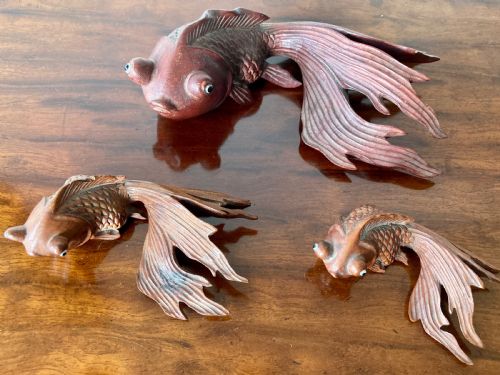


Japanese Hand Carved Figure
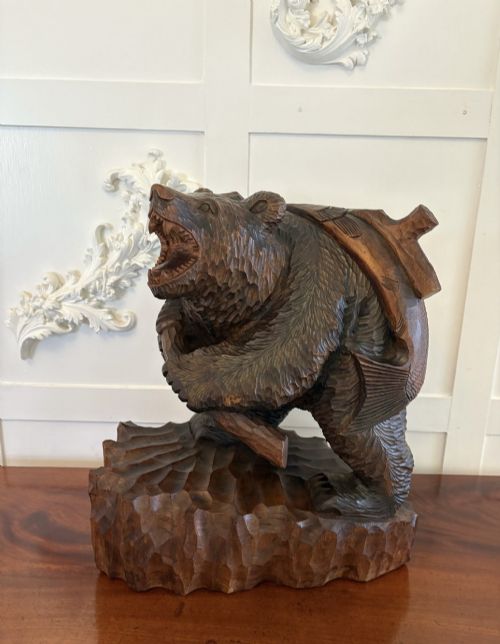
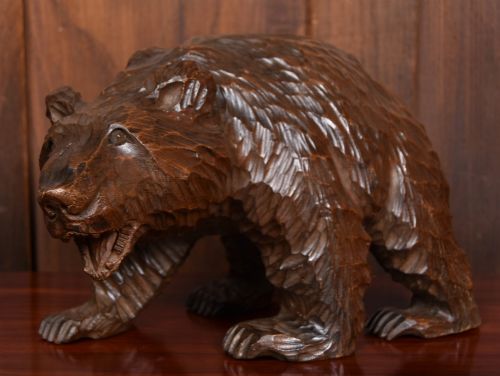
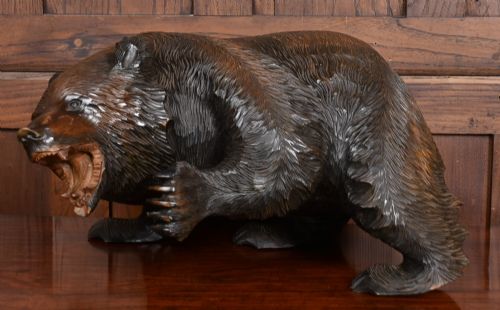
These Japanese hand carved figure pieces are timber sculptures of bears, deities and animals shaped by hand, offering distinct historical character for interior display.
Japanese Hand Carved Figure
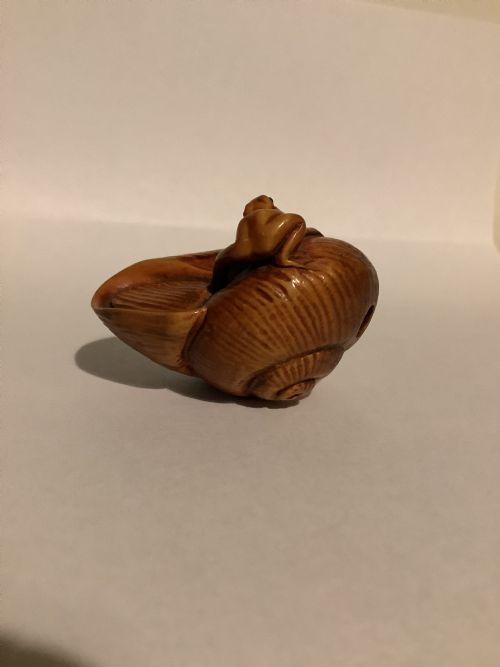
A japanese hand carved figure encompasses traditional timber sculptures originating from periods such as the Meiji era, the Edo period and the early twentieth century. Buyers encounter carved wooden bears, figures of deities like Fukurokuju, geisha portrayals and detailed netsuke.
The objects take diverse forms ranging from small handheld netsuke to larger decorative sculptures and table lamps fashioned from root wood. Many items reflect folk art traditions alongside formal Meiji period craftsmanship.
Most examples date from the nineteenth century or the Edwardian era, showing established sculptural subjects in boxwood, hardwood, linden wood and root wood. These pieces serve as decorative objects that connect modern interiors with historic Japanese woodcarving.
Materials and construction methods
Makers shaped these sculptures primarily from boxwood, linden wood, hardwood and root wood, selecting timber with tight grain to hold intricate detail. The application of stain and wax frequently finished the wooden surface to protect the material and deepen the tone.
Carvers utilised specialised chisels and knives to execute detailed textures, as seen in the fur of animal figures and the folds of traditional garments. Certain pieces demonstrate specific regional techniques, such as the Nata-tsukuri style of surface hewing.
Listings feature woods including boxwood, linden wood and root wood across the nineteenth century and the Edwardian period.
Judging the quality of carving
Quality rests upon the confidence of the hand in defining anatomy, expression and texture within the wood. Superior examples display precise control over the grain, where the natural knots and contours of the root or hardwood enhance the subject rather than obscure it.
The Japanese Hand Carved Figure Glossary
- Boxwood
- A dense, pale hardwood prized by carvers for its fine grain and ability to retain minute detail.
- Okimono
- A Japanese decorative statuette designed for display in a traditional home interior.
- Netsuke
- A small carved toggle fastened to the end of a cord connecting a pouch or traditional container to a kimono sash.
- Root wood
- Timber sourced from the root system of a tree, valued for its twisted and knotted natural growth patterns.
- Meiji Period
- The historical Japanese era lasting from eighteen sixty-eight to nineteen twelve, known for significant artistic production.
Japanese Hand Carved Figure: Frequently Asked Questions
What are japanese hand carved figure pieces?
These works are wooden sculptures created in Japan during the nineteenth and early twentieth centuries. They depict animals, human figures and traditional deities.
Carvers used materials like boxwood and root wood to produce items ranging from tiny pocket toggles to table lamps. Each object reflects distinct historical carving traditions.
How were wooden figures used?
Many figures functioned as decorative okimono placed within domestic interiors for visual appreciation. Smaller items like netsuke served a practical purpose as clothing fasteners.
Over time, these functional objects became sought-after collector pieces. Larger carvings were adapted into household items such as table lamps.
How do I date a carved figure?
Dating relies on stylistic markers, wood patination and the specific historical period associated with the maker. Pieces often correspond to the Meiji or Edo eras.
Material choice and tool marks also provide clues to the age of the sculpture. Comparing the subject matter to known historical archives helps narrow down the timeframe.
How do I care for wooden sculptures?
Keep wooden figures away from direct sunlight and sources of extreme heat to prevent the material from drying out. Stable indoor humidity protects the timber and any wax finishes.
Dust the surface gently with a dry, soft cloth. Avoid liquid cleaners or polishes that might damage the historic wood.