


Antique Oriental Hardwood Statue
An antique oriental hardwood statue brings figurative presence and dense grain to a room, ranging from figures of immortals to carved animals.
Antique Oriental Hardwood Statue
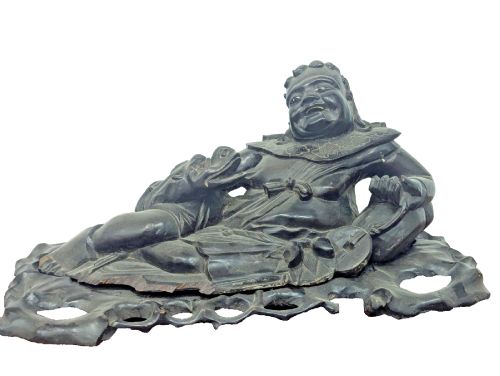
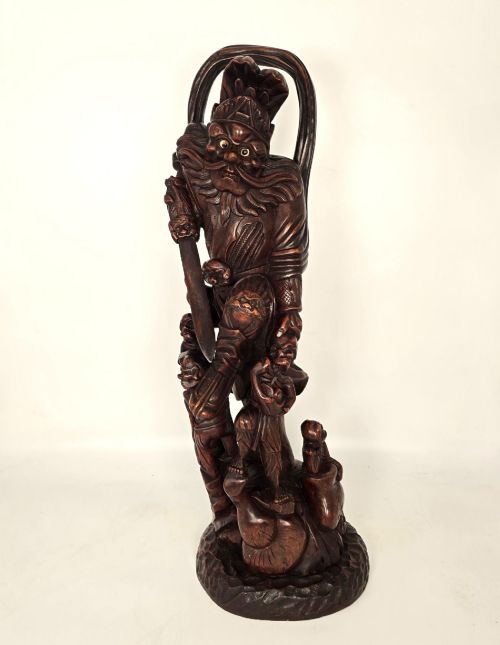
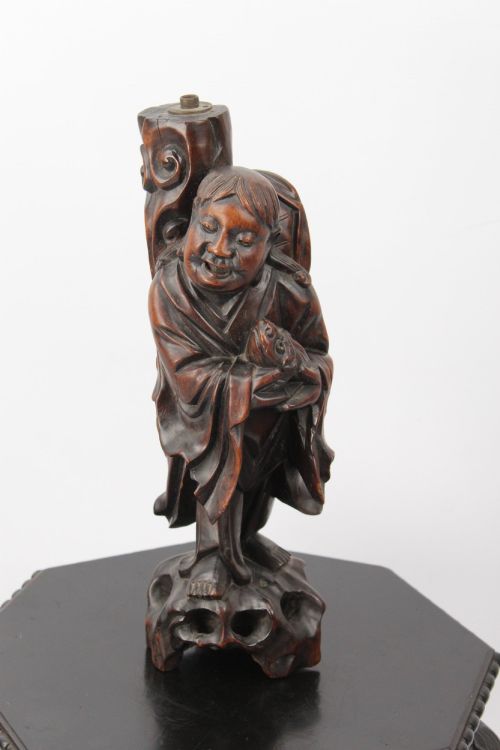
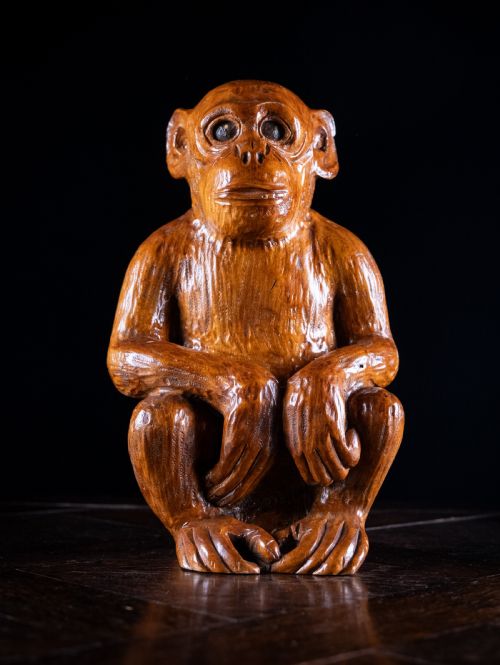
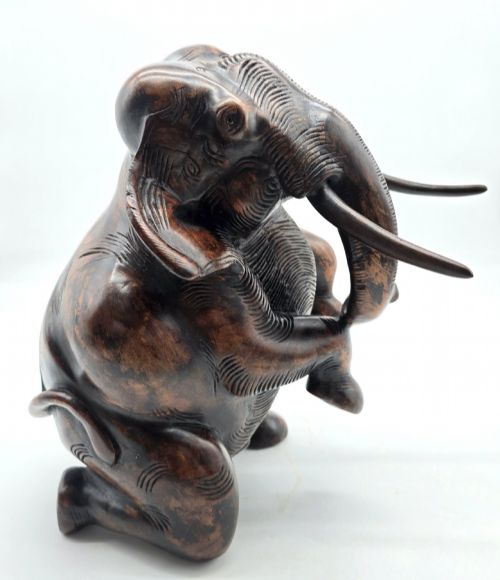
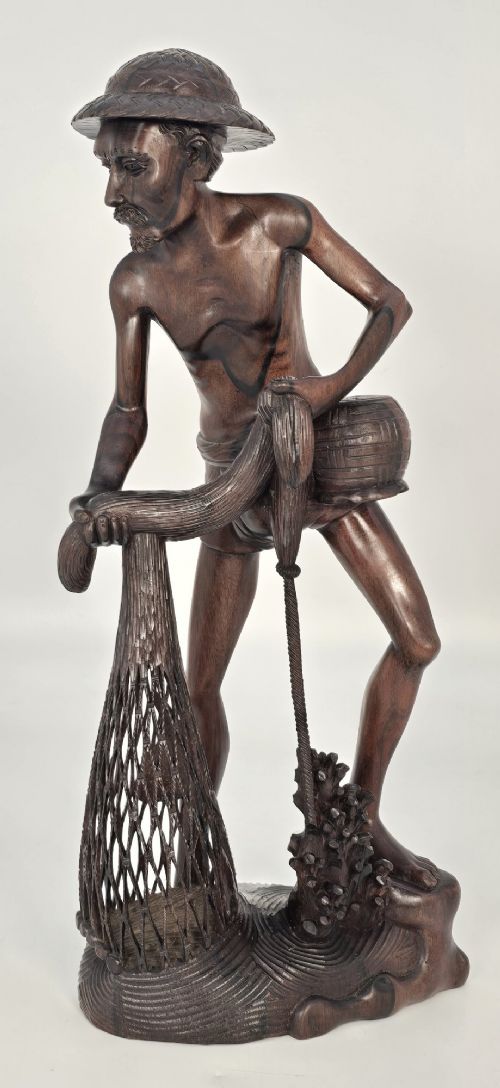
An antique oriental hardwood statue encompasses hand-carved sculptural figures, animals, and mythological subjects originating from China, Japan, India, and Indonesia. When you search for an antique oriental hardwood statue, you encounter subjects such as Chinese fishermen, laughing Buddhas, water buffaloes, elephants, and Japanese okimono. These pieces appear across periods spanning the nineteenth century through the early twentieth century, including the Qing Dynasty and the Meiji period.
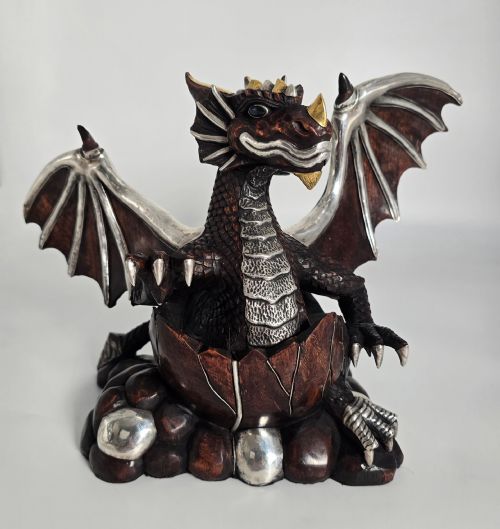
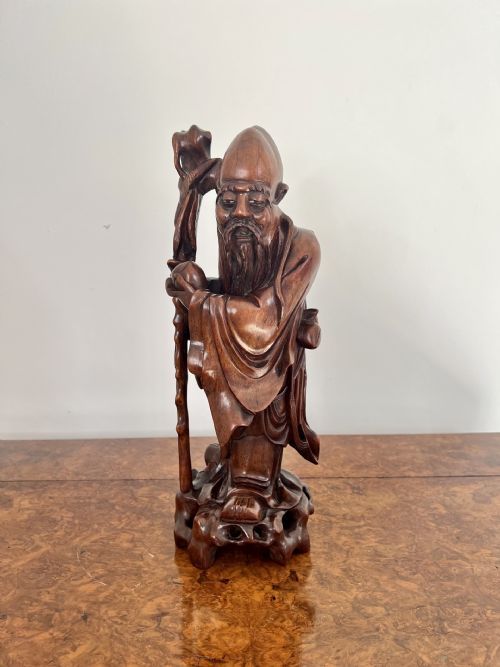
The forms vary from single standing figures and pairs of animals to complex groupings involving multiple figures or mythical beasts. You find domestic figures like Daoist immortals alongside ceremonial processions, auspicious Mandarin ducks, and temple guardians like Foo dogs. Root wood and standard dense hardwoods shape these sculptural forms, presenting both finished carved surfaces and naturalistic gnarled contours.
Judging sculptural quality and execution
Proportion and scale also dictate quality, particularly in large animal carvings such as elephants and water buffaloes where balance and weight distribution are complex. The treatment of the wood grain, whether polished to a smooth finish or left as a textured root wood study, defines the aesthetic success of the sculpture.
Regional origins span traditional Chinese subjects, Japanese Meiji period works, and Raj period Indian carvings.
The Antique Oriental Hardwood Statue Glossary
- Hardwood
- Dense, slow-growing timber used for detailed Asian carvings. It provides the heavy weight and dark tone characteristic of these sculptures.
- Root Wood
- Timber sourced from the root system of a tree, displaying natural gnarled shapes. Carvers incorporated these organic contours directly into the final sculpture.
- Okimono
- A Japanese decorative freestanding statuette. These carvings typically depict people, animals, or legendary figures intended for display.
- Foo Dog
- A traditional Chinese mythical lion guardian. Pairs of these creatures traditionally guarded temples and significant domestic thresholds.
- Qing Dynasty
- The final imperial dynasty of China, spanning from sixteen forty-four to nineteen twelve. Many figural carvings date from the latter decades of this era.
Antique Oriental Hardwood Statue: Frequently Asked Questions
How do I identify the subject of a Chinese figure?
Subjects often draw from folklore, Daoism, and Buddhism, depicted with specific attributes like fish traps, beads, or mythical beasts.
Familiarising yourself with common figures such as Liu Hai with his three-legged toad or laughing Buddhas helps determine the iconography.
Where were these statues originally displayed?
Many sculptures served as scholar's desk ornaments, mantelpiece decorations, or protective temple figures in domestic and ceremonial settings.
Larger animal models and pairs were frequently positioned on dedicated wooden stands to anchor a room's interior design.
How do I care for antique hardwood carvings?
Keep the wood away from direct heat sources and sudden temperature fluctuations to prevent the dense material from splitting.
Dust gently with a dry, soft cloth and avoid applying modern liquid polishes that can build up within the carved recesses.
How do I tell Japanese Meiji pieces from Chinese ones?
Japanese Meiji period carvings often focus on naturalistic human studies, such as the okimono format, showing everyday occupations.
Chinese carvings frequently lean towards symbolic animals, mythological figures, and courtly or religious immortals from earlier dynastic traditions.