


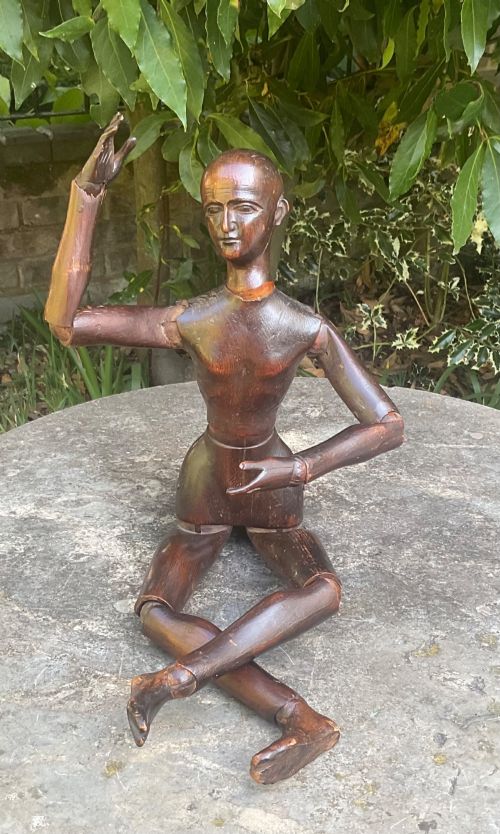
Dark Wood Carved Figure
A dark wood carved figure brings tactile presence into a room, offering centuries of sculptural craft ranging from Black Forest animals to devotional saints.
Dark Wood Carved Figure
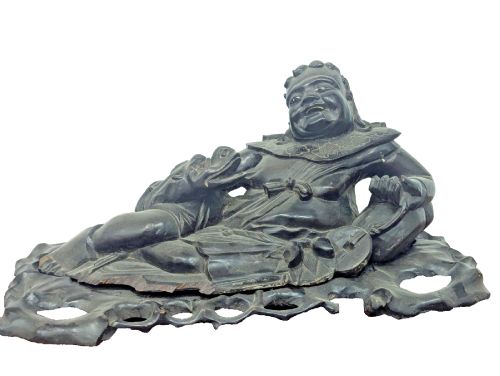
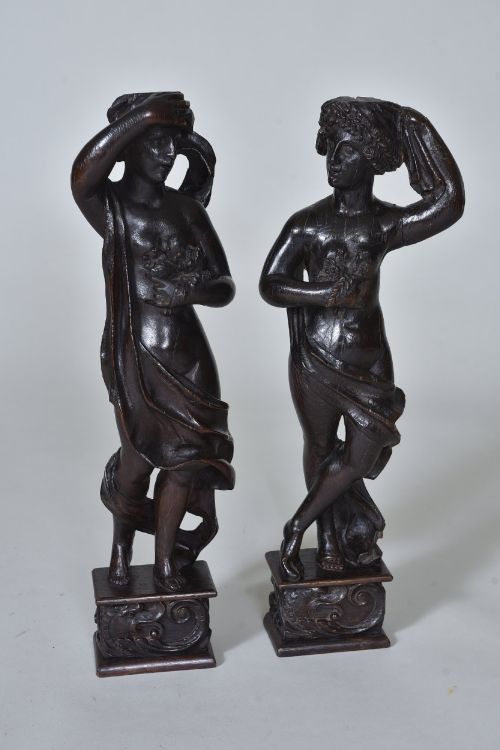
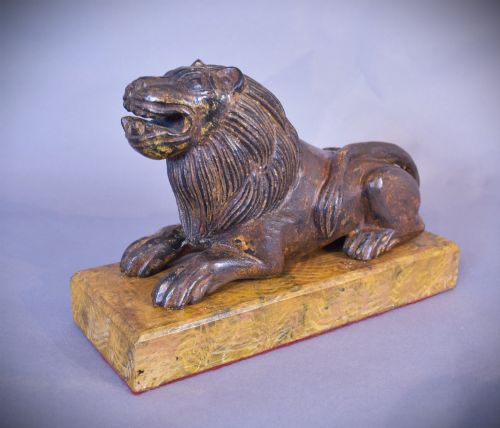
When you search for a dark wood carved figure, you encounter sculptural works spanning multiple continents and centuries, originating from workshops in Europe, Asia, and Africa. These pieces take the form of animal studies, guardian kings, devotional saints, and human figures carved in the round or in relief.
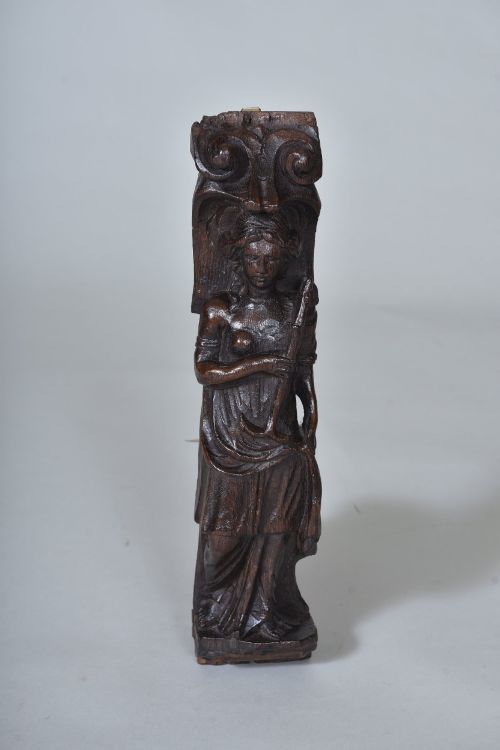
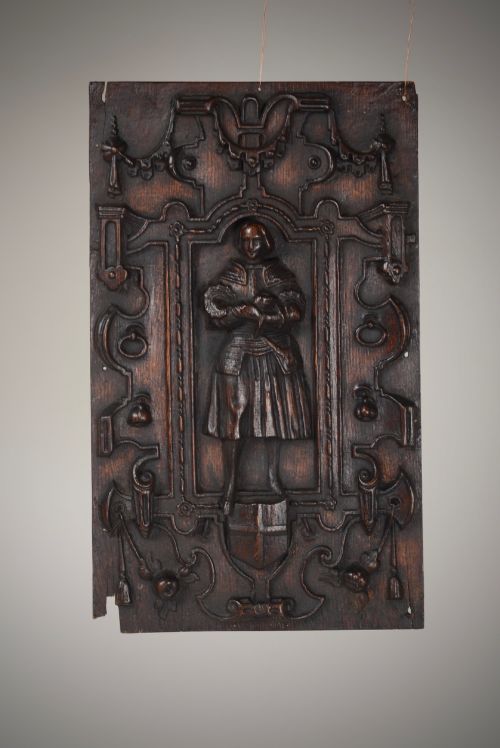
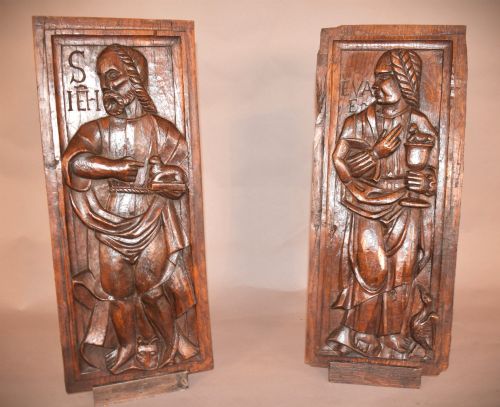
The selections on this page lean heavily towards European regional traditions, particularly Black Forest animal carvings in linden wood and walnut, alongside 17th and 18th century oak panels and religious figures. Alongside these European works appear Asian hardwood sculptures and African tribal pieces.
Buyers look for these items to anchor a mantelpiece, a shelf with bookends, or a tabletop display. The variety ranges from naive folk art horses to monumental Chinese guardian figures.
Materials and Carving Techniques
Makers utilised a range of timbers depending on regional availability and the intended detail of the work. Oak appears frequently in seventeenth and eighteenth century panels and architectural fragments, while linden wood and walnut serve the intricate undercut details of Black Forest animal groups.
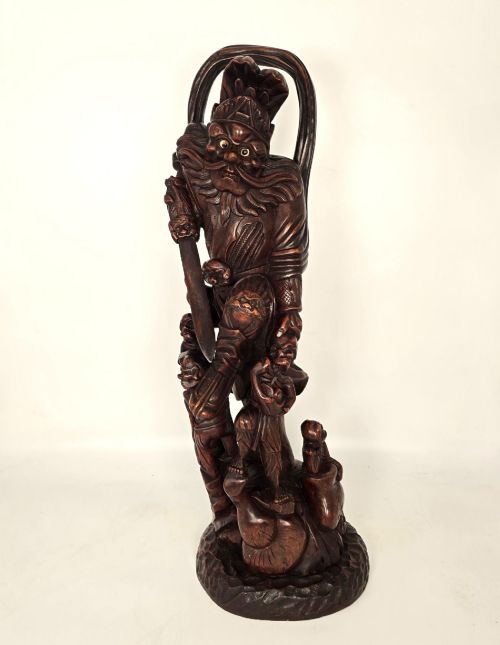
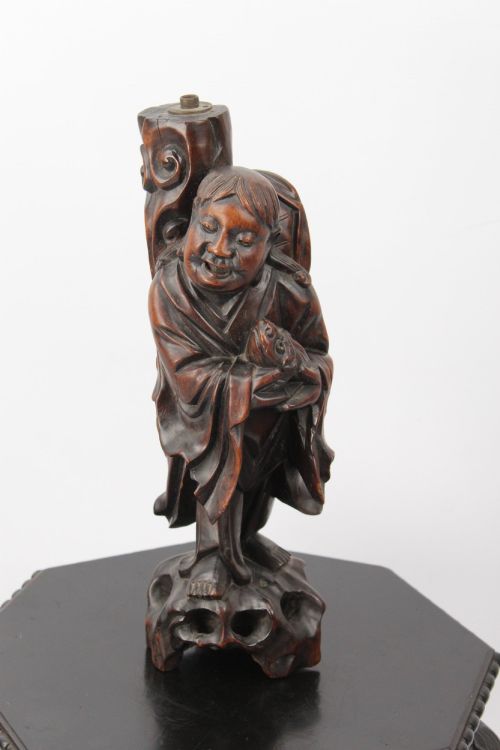
Hardwoods such as dense Asian timbers provide the heavy, durable substrate needed for large figures of deities and guardians. Carvers employed hand chisels and gouges directly into the seasoned timber, leaving tool marks that reveal the hand of the maker.
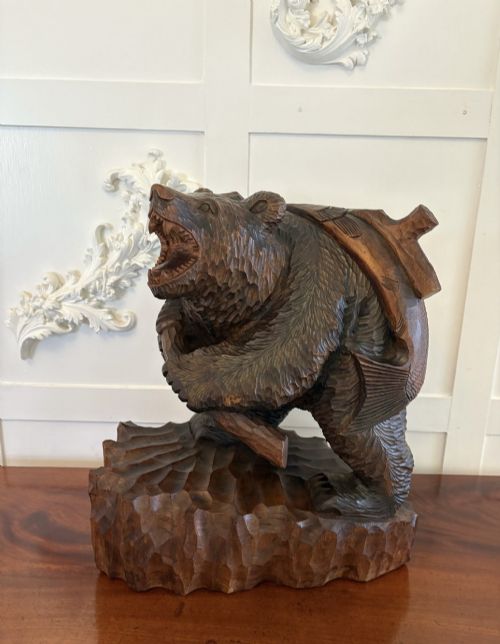
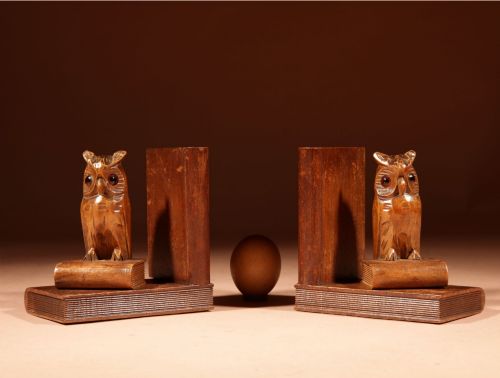
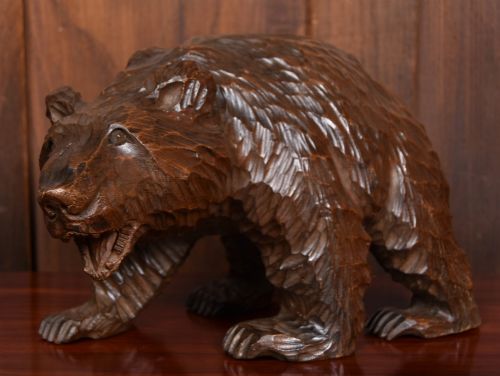
Owls and bears dominate the animal kingdom here, serving as bookends, inkwells, and carrying fish.
Assessing Sculptural Quality
Quality rests in the anatomical conviction and spatial depth of the carving. Superior pieces demonstrate an intimate understanding of muscle, posture, and weight, whereas lesser works remain stiff and schematic in execution.
Valentino Besarel·J. Huggler
The Dark Wood Carved Figure Glossary
- Black Forest
- A style of wood carving originating in Switzerland and Germany during the nineteenth century, known for realistic animal studies and linden wood furniture.
- Reliquary
- A container or guardian figure meant to hold sacred relics, common in African tribal art traditions such as the Gabon Fang Byeri.
- Lokapala
- A Guardian King in Buddhist and Chinese mythology, often depicted as a fierce warrior figure in carved hardwood.
- Limewood
- A pale timber commonly known as linden, favoured by European carvers for its fine, even grain that resists splitting during detailed work.
- Corpus Christi
- Latin for body of Christ, referring specifically to the sculpted figure of Christ on a cross.
Dark Wood Carved Figure: Frequently Asked Questions
How do I date an oak carving?
Dating relies on tool marks, timber shrinkage, and the style of the period. Seventeenth century panels often show adze marks and pegged construction.
Later Victorian revivals copy earlier motifs but utilise machine sawn timber and different joint methods.
What is Black Forest carving?
Black Forest carving refers to nineteenth century wooden sculptures, inkwells, and bookends depicting bears, owls, and deer. These originated primarily in Swiss and German woodland regions.
Artists used linden wood and walnut to create naturalistic scenes with glass eyes and deep undercutting.
How should I clean a wooden figure?
Dust gently with a dry, soft bristle brush to remove surface particles from crevices. Avoid water and modern liquid polishes, which can damage historic patination.
Microcrystalline wax can be applied sparingly to protect dry timber if necessary.
What is an artist's lay figure?
A lay figure is an articulated wooden mannequin used by painters and sculptors to study drapery and human anatomy. Nineteenth century examples feature movable joints held together with internal pegs and wires.
They served as studio tools rather than finished decorative ornaments.