


Oriental Wood Ornament
An oriental antique wood ornament brings intricate carving and distant traditions straight into a room.
Oriental Wood Ornament
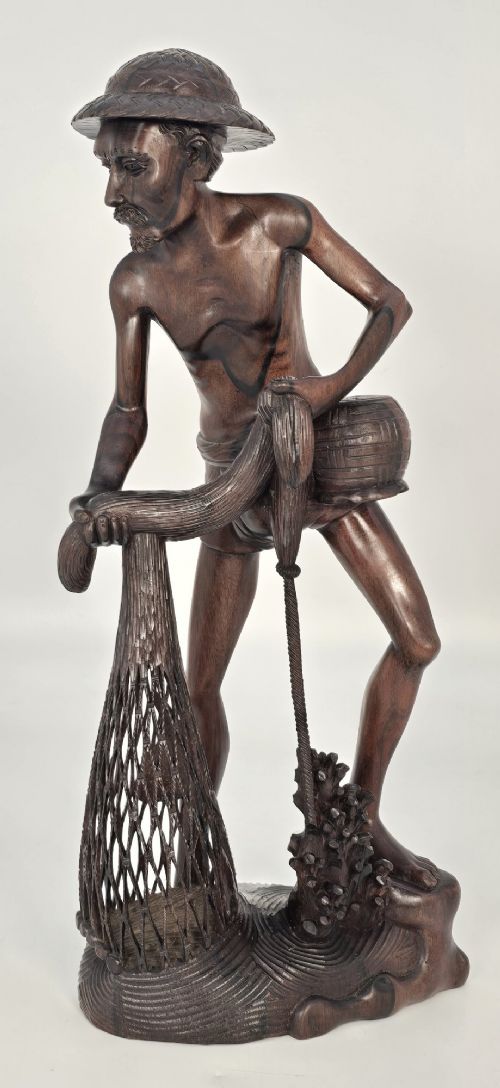
An oriental antique wood ornament encompasses carved figures, animals, and decorative objects originating from East Asian and European folk traditions. Buyers exploring this category encounter a variety of sculptural forms, from religious figures and mythical beasts to domestic animals and naturalistic studies.
The selections span distinct historical periods, most notably the nineteenth century, the Victorian era, the Edwardian period, and the early twentieth century. Chinese Qing dynasty works and Japanese Meiji period pieces dominate the available sculptural forms alongside European interpretations.
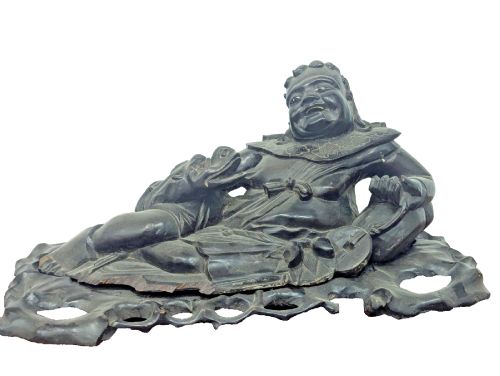
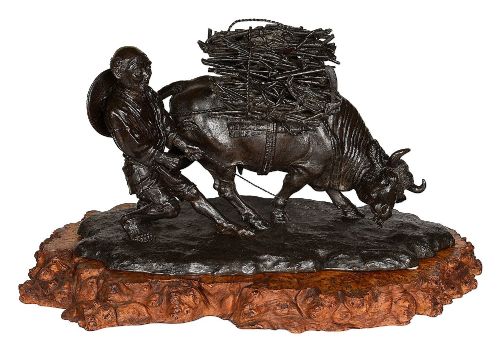
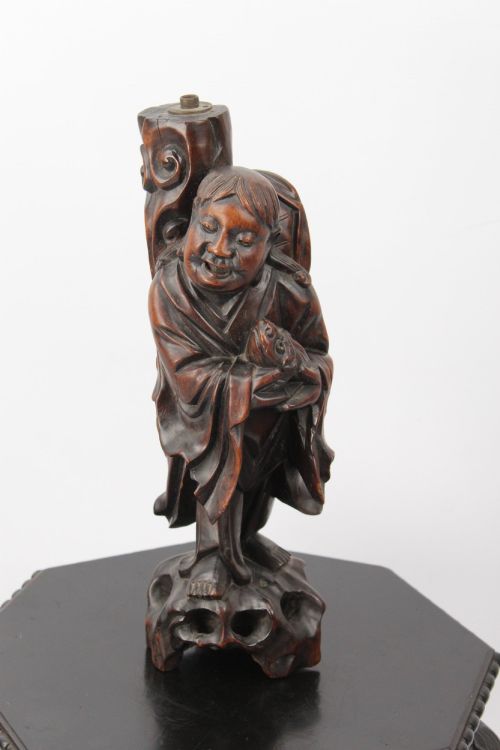
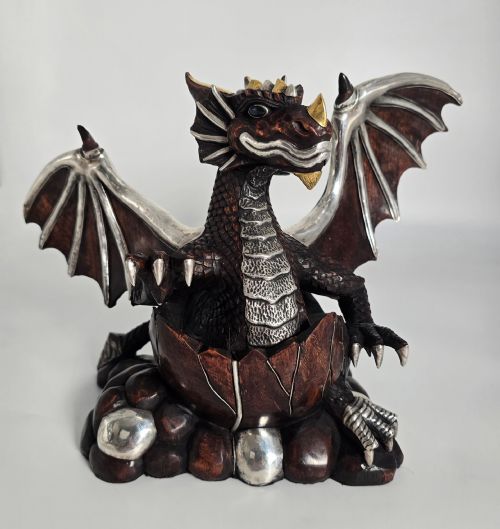
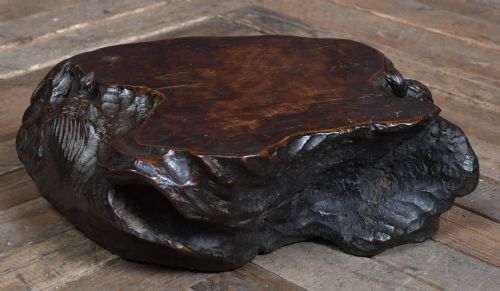
Common subjects include laughing Buddhas, Daoist immortals, water buffaloes, elephants, tigers, and rabbits rendered in substantial dimensions or miniature formats. Stands and specific decorative carvings also appear frequently within the overall selection.
Materials and Construction
Makers utilised dense natural materials, predominantly hardwood, boxwood, root wood, and burr wood, allowing for intricate and deep relief carving. These woods provided the necessary grain strength to carve delicate facial expressions, animal fur, and elaborate drapery without splintering.
Certain pieces incorporate mixed media elements such as bone, glass, bronze, and brass details to accent the wooden core. Carvers applied hand tools to shape each sculpture, finishing the surfaces to highlight the natural qualities and figuring of the timber.
Listings feature hardwood, root wood, and boxwood pieces spanning the Victorian era, the Meiji period, and the Qing dynasty.
Assessing Quality and Execution
The distinction between ordinary and superior pieces rests on the depth of the carving and the natural liveliness of the subject. Master carvers captured anatomical precision in animals like water buffaloes and tigers, whereas lesser examples remain stiff and formulaic.
The selection of the wood itself defines the upper tier, particularly where root wood or burr wood is exploited for its organic contours and rich grain patterns. Retention of original stands, minimal intervention, and crisp detailing around hands, faces, and textures separate the exceptional examples from the standard.
The Oriental Wood Ornament Glossary
- Okimono
- A Japanese ornamental statue or sculpture designed for display on a shelf or in a tokonoma alcove. These pieces depict figures, animals, and mythical subjects with high levels of fine detail.
- Qing Dynasty
- The final imperial dynasty of China, lasting from sixteen forty-four to nineteen twelve. Carvings from this era often feature traditional iconography, figures, and rich hardwoods.
- Meiji Period
- A period of Japanese history spanning from eighteen sixty-eight to nineteen twelve, marked by extensive craftsmanship exported to Western markets. Sculptures from this era demonstrate remarkable naturalism in wood and bronze.
- Root wood
- Timber sourced from the root system of a tree, prized by carvers for its gnarled, twisting shapes. Artisans incorporated these natural irregularities into the design of mythical beasts and figures.
- Boxwood
- A dense, pale hardwood favoured for miniature carvings and netsuke. Its fine grain permits microscopic detail without risk of breakage during the cutting process.
Oriental Wood Ornament: Frequently Asked Questions
What is an oriental antique wood ornament?
An oriental antique wood ornament is a hand-carved sculptural object, figure, or animal originating from Asian traditions or inspired by them during the nineteenth and early twentieth centuries.
These objects range from large temple figures and root wood carvings to small desk accessories and detailed animal studies.
How do I identify a Meiji period carving?
Meiji period Japanese carvings often display exceptional naturalism, depicting human labourers, animals, and deities with distinct anatomical accuracy and expressive poses.
Material choice frequently includes boxwood or dense hardwoods, sometimes accompanied by signature plaques or characteristic regional styling.
Where were these wooden ornaments displayed?
In their original homes, such carvings occupied prominent positions on display stands, tables, and household shrines. European collectors later placed them on mantelpieces, desks, and cabinet tops as decorative focal points.
Matching stands often accompanied Chinese hardwood figures to elevate them on a surface.
How should I care for antique wood sculptures?
Antique wooden carvings require stable room temperatures away from direct sunlight and sudden humidity changes to prevent timber splitting. Gentle dusting with a soft, dry brush is sufficient for routine maintenance.
Avoid applying modern polishes or oils, as these can accumulate within the recessed carved details and darken the natural patina.