
Antique Oriental Sculpture
Antique oriental sculpture brings centuries of Asian artistry into your home, offering carved deities and mythical beasts rich in cultural history.
Identifying antique oriental sculpture
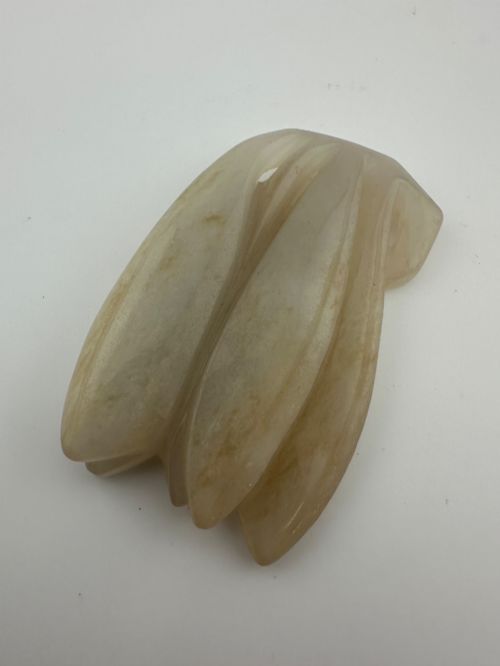
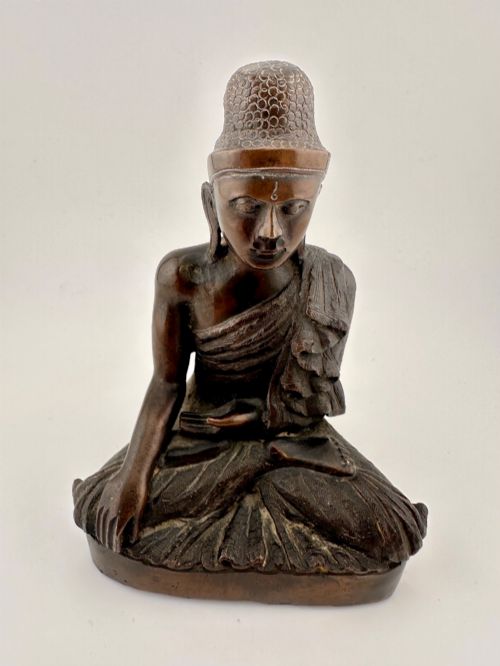
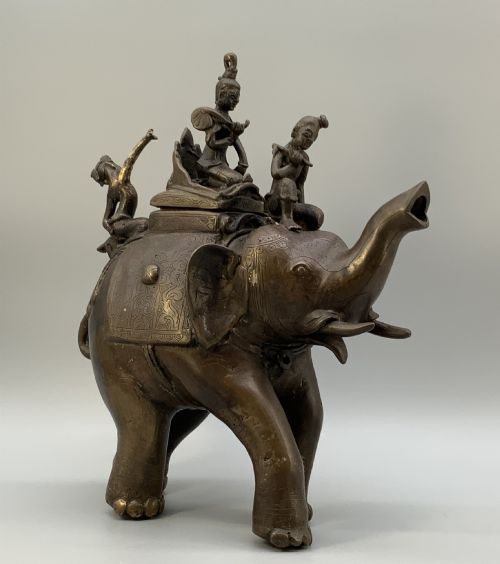
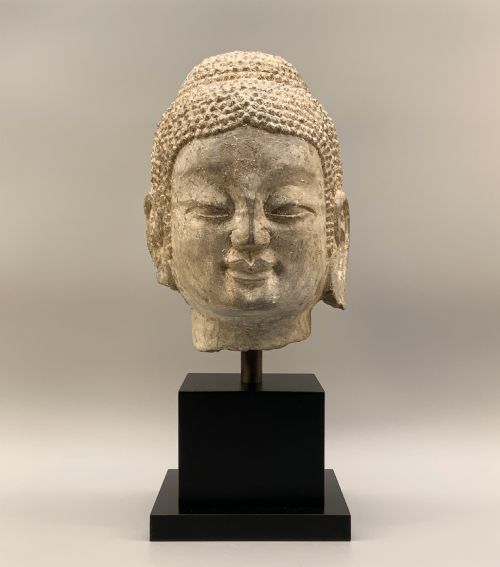
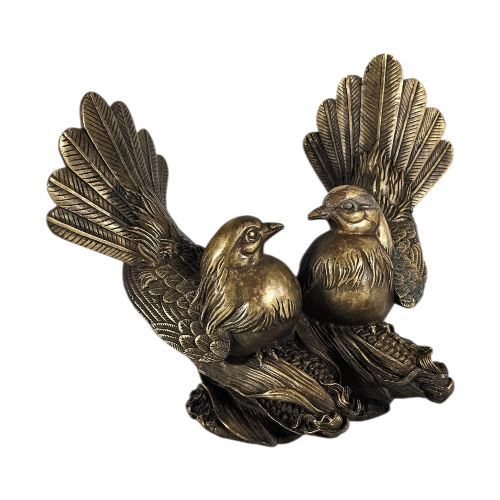
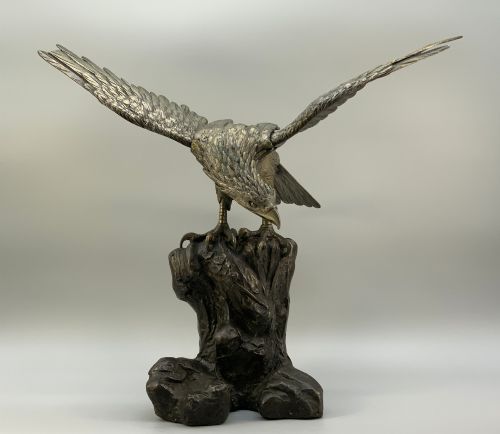
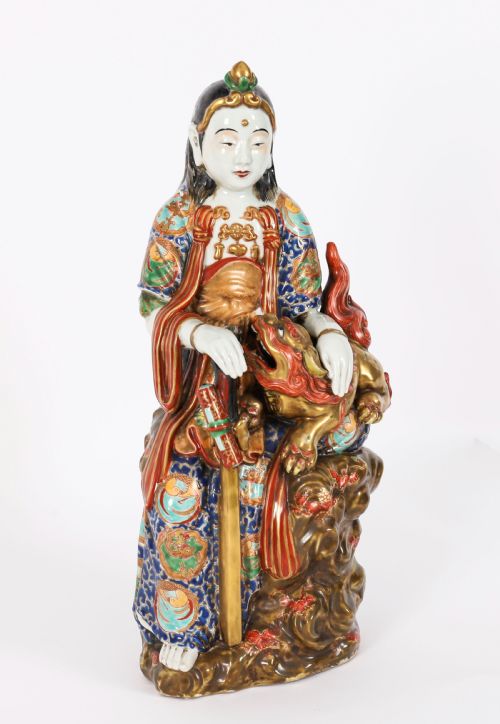
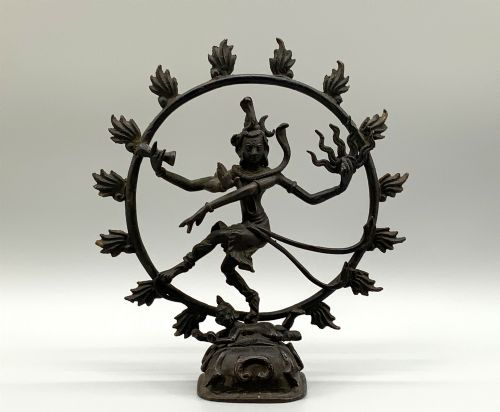
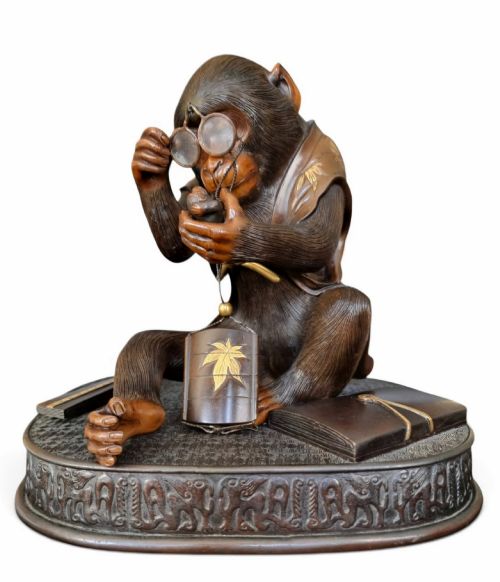
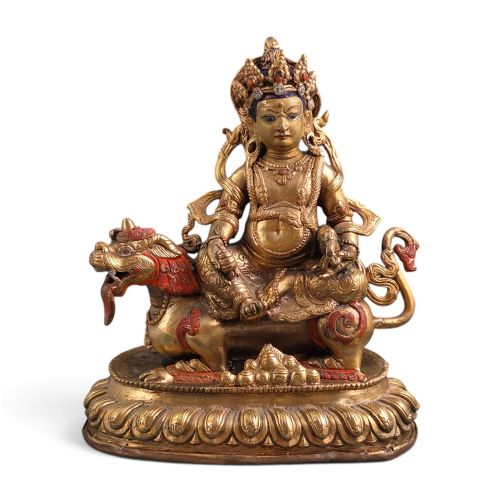
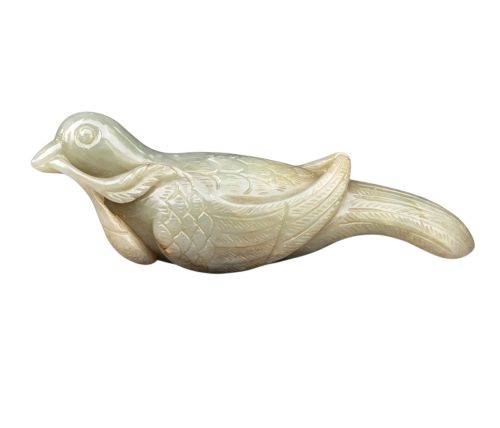
When you search for antique oriental sculpture, you encounter carved figures and statues originating from Asian traditions, principally Chinese and Khmer works spanning the eighteenth and nineteenth centuries. These pieces encompass religious deities, mythological animals, and symbolic representations intended for reverence or decorative display in domestic and temple settings.
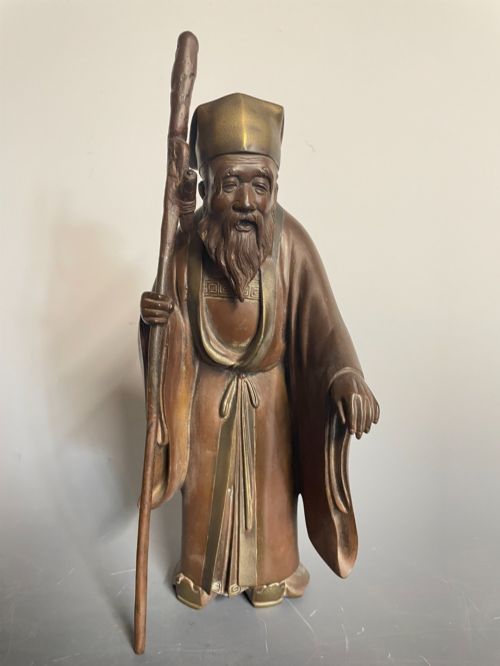
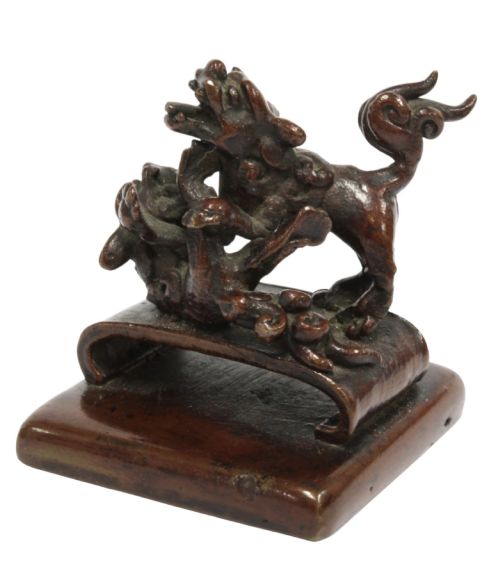
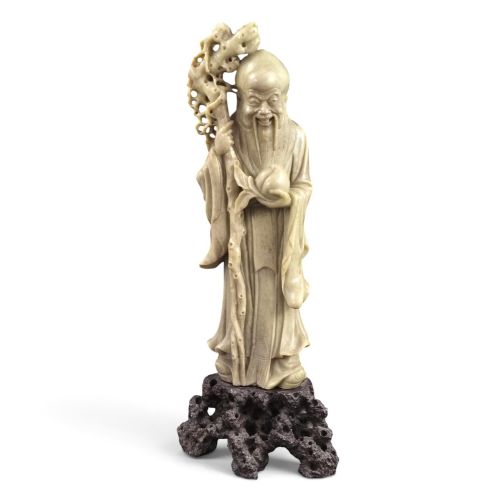
The selections available on this page most frequently present as Chinese hardwood root carvings, soapstone figures, and terracotta deities from the Victorian era back to the eighteenth century. You will encounter distinct forms such as Shoulao figures, reclining Buddhas, and Foo dogs.
Khmer terracotta works and Qing dynasty sculptures appear alongside these Chinese pieces, demonstrating the geographical and stylistic breadth of the category. Each object retains the characteristic craftsmanship of its period, whether carved from solid timber or modelled in clay.
Materials and construction methods
Materials recorded in these listings include hardwood, soapstone, stone, wood, terracotta, and clay, frequently enhanced with polychrome pigment and gilt. Artisans selected timber and roots for their natural contours before carving intricate details into the grain.
Retail Price Guide 2026
Typical UK retail prices for oriental sculpture, calculated from the Sellingantiques database of over a million retail prices indexed since 2003. This retail price guide relies exclusively on Sellingantiques data; no external sources or auction records are used, so the figures do not describe the wider market.
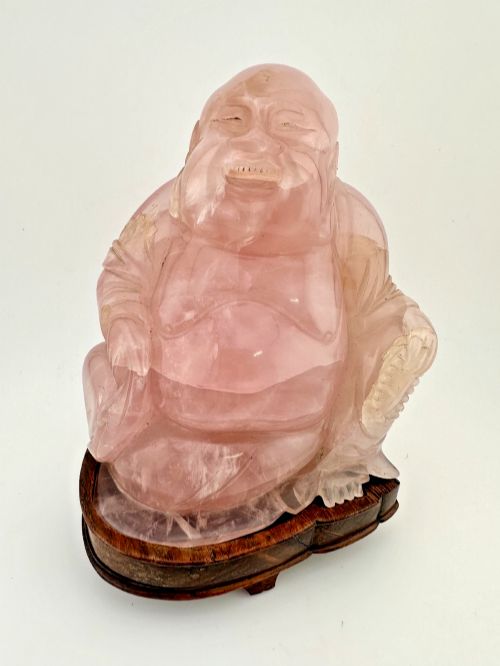
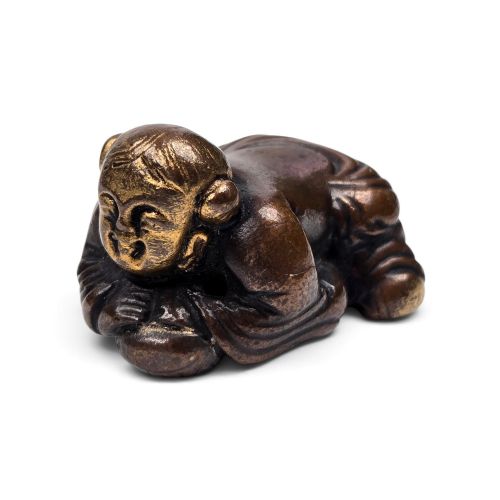
A corpulent Buddha reclines in an amusing posture, reminding us that historical sculptors possessed a robust sense of humour.
Judging the quality of carvings
Quality in these sculptures rests upon the dexterity of the carving and the preservation of original surface finishes like polychrome pigment and gilt. Finer examples display fluid lines, anatomical proportion, and deep undercut relief work that brings vitality to wood or soapstone.
The Antique Oriental Sculpture Glossary
- Foo Dog
- A traditional guardian lion figure originating in Chinese art, typically depicted protecting sacred spaces with one paw resting on a brocade ball. These mythical beasts combine leonine strength with stylized curls and ferocious expressions.
- Soapstone
- A talc-schist mineral easily carved into intricate shapes due to its soft composition, frequently utilised in Chinese scholar objects and figures. It takes a smooth polish and often reveals subtle veining.
- Terracotta
- Fired unglazed clay used extensively for sculptural modelling across various Asian cultures. The reddish-brown material records fine thumbprints, tool marks, and early surface finishes.
- Qing Dynasty
- The final imperial dynasty of China, lasting from sixteen forty-four to nineteen twelve, renowned for sophisticated decorative arts and figurative carving. Pieces from this era often reflect strict iconographic traditions.
- Root Carving
- A traditional Chinese art form where artisans incorporate the natural twisted shapes of tree roots into figurative or zoomorphic sculptures. The grain and knots dictate the final form of the subject.
Frequently Asked Questions
How do I care for wooden oriental sculptures?
Keep wooden and root carvings away from direct sunlight and sudden changes in temperature to prevent the timber from splitting or warping. Dust gently with a soft, dry brush.
Avoid using liquid polishes or chemical cleaners on antique wood and pigmented surfaces, as these can strip the original patina.
Are these sculptures religious objects?
Many oriental sculptures served devotional or ritual purposes in temples and domestic shrines, depicting Buddhist or Daoist figures like Buddhas and immortals. Over time, many transitioned into purely decorative art objects.
Their iconography reflects the spiritual beliefs and philosophical traditions of the cultures that produced them.
How do I identify a Qing dynasty piece?
Qing dynasty sculptures often display characteristic carving styles, material usage, and iconographic details associated with the imperial era. Look for fine detail in the drapery of robes and traditional facial types.
Dating relies on stylistic comparison with documented pieces from the period, as well as the natural ageing of the wood, stone, or pigment.