




Carved Soapstone Figure
When you search for a carved soapstone figure, you are seeking tactile oriental sculpture that brings organic weight and delicate detail to a room.
Carved Soapstone Figure
A carved soapstone figure is a sculptural object shaped from soft metamorphic rock into human deities, scholars, animals, and mythical beasts. These carvings range from small desk seals and snuff bottles to large sage statues and matched pairs of bookends.
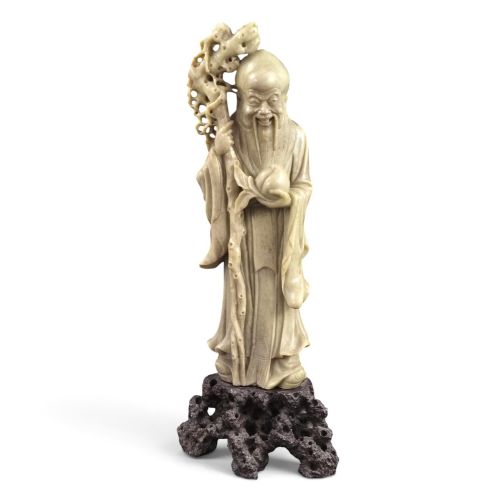
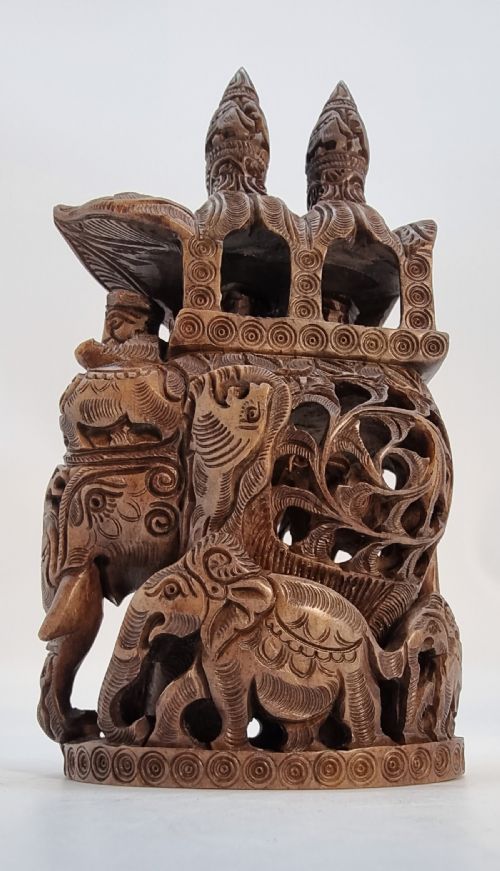
You are most likely to meet Chinese examples spanning the late nineteenth century into the early twentieth century, alongside occasional Indian animal studies. The subjects often draw from traditional folklore, depicting figures like Shoulao or temple guardians such as Foo Dogs.
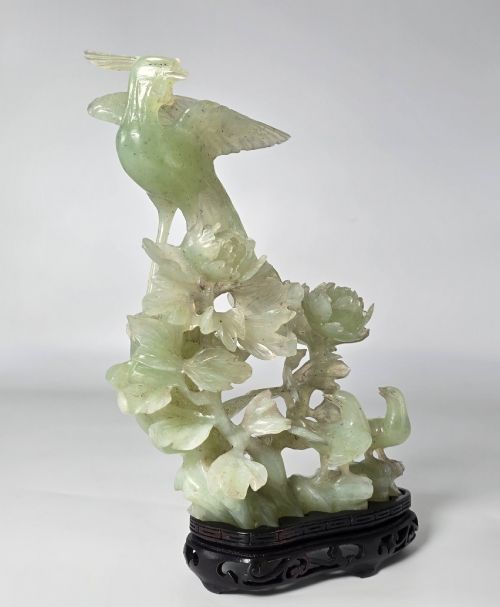
The forms vary from single standing figures to intricate groups involving birds, pigs, and dragons with pearls. Many retain fitted hardwood bases that complement the earthy tones of the stone.
How they were made
Makers utilised the naturally soft and soapy texture of steatite and Shoushan stone, carving complex scenes with hand tools. This softness allowed for deep undercut details in robes, feathers, and fur without fracturing the material.
Hardwood bases were often custom-carved to fit the irregular underside of each boulder or sculpture. Gilt metal occasionally appears on stoppers for smaller vessels associated with these collections.
Carved Soapstone Figure Retail Price Guide 2026
Typical asking prices for carved soapstone figure among the pieces listed under this phrase on Sellingantiques today, from the lower quarter to the upper quarter. They describe what is for sale here now, not the wider market.
Listings feature soapstone, Shoushan stone, and hardstone alongside supportive elements of hardwood and gilt metal.
What varies in quality
Quality rests upon the depth of the undercut carving and the natural variegation of the stone. Superior pieces display crisp facial expressions and anatomical clarity rather than flat, generalized surfaces.
The integration of the natural stone colour into the subject matter dictates the success of the carving. Artisans who worked with the pale greens, warm ambers, and mottled greys of the material created visually richer sculptures.
The Carved Soapstone Figure Glossary
- Soapstone
- A compact metamorphic rock consisting largely of talc, prized for its soft texture and soapy feel. It allows for intricate hand-carved details.
- Shoushan Stone
- A traditional Chinese pyrophyllite stone sourced from Fuzhou, highly valued for carving intricate figures and scholar's objects. Its natural colours range widely.
- Steatite
- Another term for massive talc stone used interchangeably with soapstone. It provides a dense, easily worked medium for historical sculptures.
- Foo Dog
- A mythical temple guardian lion depicted in pairs to protect doorways and sacred spaces. They are frequently rendered in stone and ceramic.
- Desk Seal
- A carved stamp used for impressing personal or official signatures. These often feature figurative finials such as seated deities.
Carved Soapstone Figure: Frequently Asked Questions
What is a soapstone figure?
A soapstone figure is a decorative sculpture carved from soft steatite rock, depicting humans, animals, or mythical guardians.
These pieces originate largely from Chinese and Indian traditions, often dating from the nineteenth and early twentieth centuries.
How were soapstone carvings used?
They functioned as scholarly desk ornaments, auspicious temple figures, and tactile decorative sculptures in studies.
Smaller examples served as snuff bottles or personal desk seals for stamping documents.
How do I clean soapstone?
Dust gently with a soft dry cloth to protect the delicate carved surfaces and natural mineral structure.
Avoid chemical cleaning agents and excessive moisture, which can damage the soft stone and historic wooden bases.
How do I date these figures?
Dating relies on stylistic clues, garment folds, accompanying hardwood bases, and the tool marks left by the carver.
Nineteenth-century examples often display deeper, more patient undercut work compared to later decorative items.